Why I’m Choosing to Skip ChatGPT’s New Doctor Mode: A Personal Take
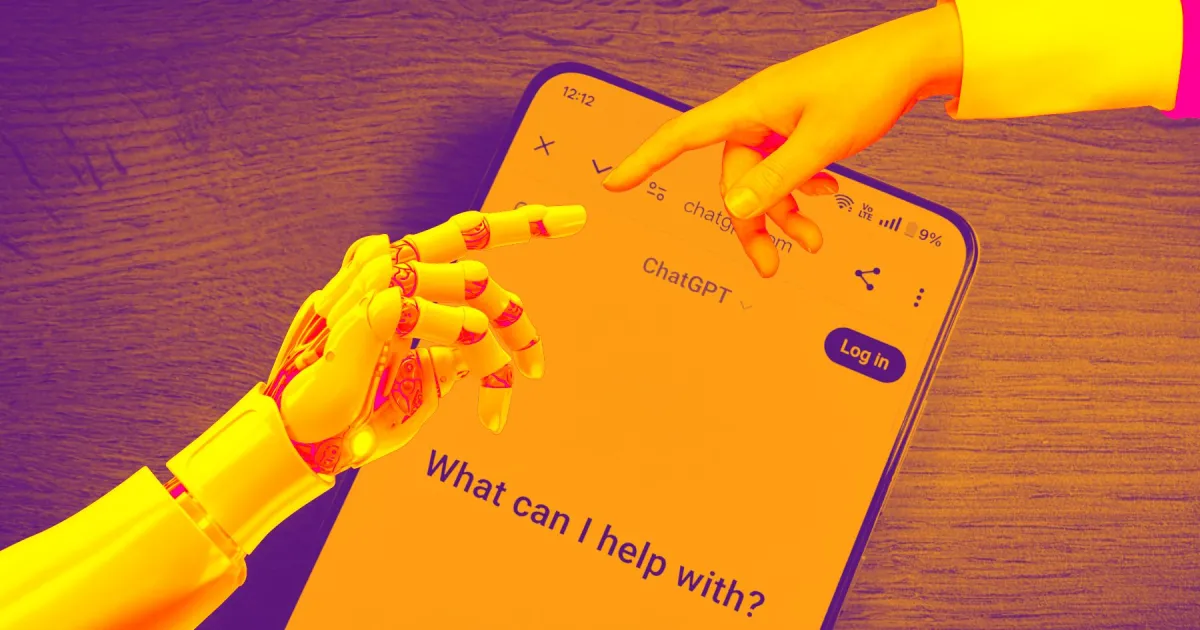
In the rapidly evolving world of health technology, innovation walks hand-in-hand with caution. Recent discussions around AI’s influence in medicine have raised eyebrows and ignited curiosity. A notable incident involved ChatGPT, where a user fell into a psychotic episode sparked by incorrect medical advice related to bromide poisoning. This alarming case spotlights a pressing need for reliable, evidence-based health information. In response, OpenAI is reportedly working on a specialized **Clinician Mode** designed to ensure users receive advice grounded in **medical research and trusted data**.
The Promise of Clinician Mode
Recently, Tibor Blaho, an engineer from AIPRM, stumbled upon intriguing code snippets within the ChatGPT web application that reference a new **Clinician Mode**. Although specifics remain under wraps, the concept suggests a focused feature aimed at delivering health-related guidance, much like the built-in protections for younger users.
Blaho’s findings also hint at an innovative “model speaks first” prompt for voice interactions, which could enhance user experience by fostering more engaging, personal interactions. While **OpenAI** has yet to confirm this mode, speculation is abundant regarding its functional scope.
Developer Justin Angel echoed this sentiment, proposing that **Clinician Mode** might limit information sources exclusively to **peer-reviewed medical studies**. This means users seeking health guidance could receive insights derived solely from credible, scientific literature, significantly reducing the likelihood of inaccurate advice.
Navigating the Realities of Medical AI
The introduction of **Clinician Mode** is not merely aspirational; it aligns with recent developments in AI-powered medical tools. For instance, **Consensus** recently launched their own **Medical Mode**, a feature that sources responses strictly from high-quality medical evidence and vetted clinical guidelines, boasting a database of over **eight million** publications. This innovative approach underscores the growing recognition of the necessity for reliable information in health contexts.
Nevertheless, the potential risks associated with these advancements cannot be overlooked. A recent article in *Scientific Reports* cautioned against the propensity for AI tools like ChatGPT to “hallucinate” or misinterpret data, warning that these issues could complicate medical communication.
Despite such concerns, the shift towards AI integration in healthcare persists. Institutions like the **Stanford School of Medicine** are piloting AI platforms, such as **ChatEHR**, which facilitate interactive engagement with medical records. Moreover, OpenAI’s partnership with **Penda Health** demonstrated promising results, showing a **16% reduction** in diagnostic errors thanks to their AI assistant.
While we stand on the cusp of a new era in medical technology, it’s essential to advance cautiously. The health of individuals is at stake, and ensuring that AI tools provide accurate, evidence-based information is imperative. As we await more concrete details about **Clinician Mode**, the dialogue on blending technology with medicine continues to evolve.
If you’re passionate about the intersection of AI and health, stay engaged with our community. Let’s champion the responsible use of technology to improve our health and well-being. Together, we can harness innovation and make informed choices for a healthier future.