Why Deepfaking the Deceased is Ethical Ground You Shouldn’t Cross
Zelda Williams, the beloved daughter of the legendary Robin Williams, recently shared an emotional plea that resonates deeply within the hearts of fans everywhere. On her Instagram story, she urged followers to reconsider their actions regarding AI-generated videos featuring her father. Her words remind us of the delicate balance between nostalgia and respectful remembrance in the age of technology.
A Call for Respect
Zelda’s message was clear: “Please, just stop sending me AI videos of Dad. Stop believing I wanna see it or that I’ll understand. I don’t and I won’t.” With heartfelt sincerity, she asked fans to halt what she described as “dumb” and a waste of both time and energy, emphasizing that it’s not what her father would have wanted. Through her poignant statement, she encouraged a moment of reflection on the implications of using technology to replicate the likeness of those we’ve lost.
The Pervasiveness of AI Deepfakes
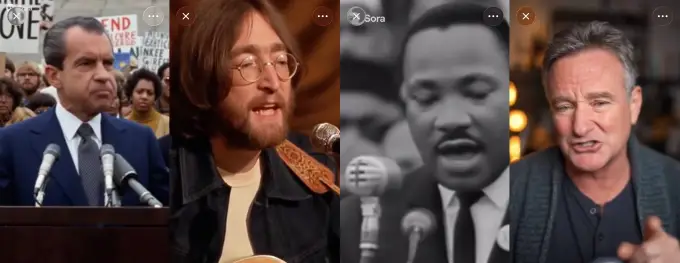
This statement comes shortly after the launch of OpenAI’s Sora 2 video model and the accompanying Sora social app, advancements that enable users to create remarkably lifelike deepfakes, including those of deceased individuals. It raises fascinating yet concerning questions about the ethical boundaries of artificial intelligence.
Historically, laws surrounding libel and ethics allow for the portrayal of deceased persons without legal ramifications. As Zelda pointed out, the emotional toll this can take on families is often disregarded amidst the excitement of new technology.
The Unregulated World of AI
Sora allows users to generate videos of deceased figures, including beloved celebrities like Robin Williams, John Lennon, and Alex Trebek. However, the app imposes restrictions when it comes to living individuals, requiring consent from those portrayed. This inconsistency raises ethical dilemmas: why are the deceased viewed as fair game in the realm of digital recreation?
A Gray Area of Consent
Despite claims of ethical practices, it’s evident there’s a blurry line in how OpenAI enforces its policies. For instance, while certain notable figures like Jimmy Carter and Michael Jackson are excluded from the app, Robin Williams’ image remains free for manipulation. This inconsistency highlights the lack of comprehensive guidelines governing the use of deepfakes for historical or advocate purposes.
The Implications of AI Technology
OpenAI faces criticism for its handling of these sensitive matters, exemplified by a surge of AI-generated clips featuring copyrighted characters that flooded the Sora platform upon its launch. Even from the outset, CEO Sam Altman’s remarks suggested a disregard for existing copyright laws, asserting that studios would need to opt out if they wanted to protect their intellectual property.
The Motion Picture Association has already voiced concerns and demanded more accountability from the company. As the technology evolves, it poses various ethical challenges, potentially treating both the living and the deceased as mere playthings for entertainment.
A Call to Action
In this rapidly changing digital landscape, we must strive for a balance between innovation and respect. Zelda Williams’ heartfelt plea serves as a reminder that every individual deserves to be remembered with dignity. As we explore the horizons of AI and deepfake technology, let’s commit ourselves to honoring the legacies of those we’ve lost.
If you share in this sentiment and wish to join the conversation around ethics in technology, consider voicing your thoughts or advocating for responsible AI use. Together, we can foster a future where innovation and respect coexist harmoniously.