Unpacking the Buzz: The Rising Influence of Tether’s CEO in Today’s Crypto Landscape
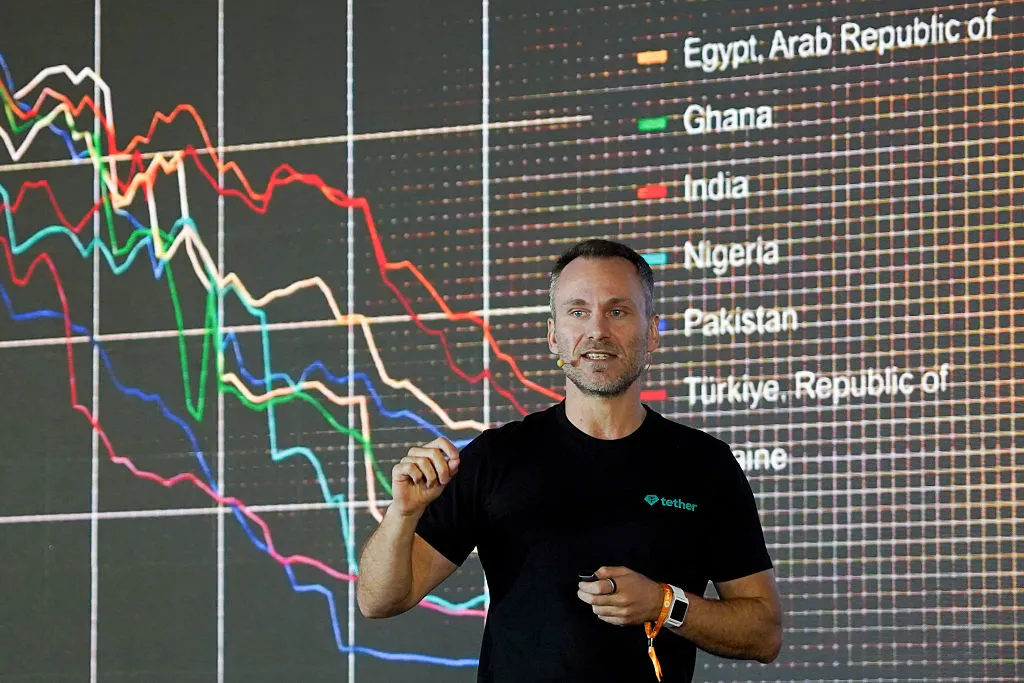
If you’ve been following the financial news lately, you may have caught sight of a considerable buzz surrounding Tether and its charismatic CEO, Paolo Ardoino. This past week, his media presence has been hard to ignore, with features in prestigious publications like Fortune and Bloomberg. So, what is driving this surge in visibility for the man behind a stablecoin that has often attracted both fascination and skepticism?
A Shift in Strategy
This flurry of activity coincides with Tether’s recent launch of USAT, a U.S.-regulated stablecoin developed with Anchorage Digital Bank. This initiative is part of Tether’s commitment to aligning itself with new federal regulations, aiming to rival established competitors like Circle’s USDC. Additionally, Fidelity Investments has entered the fray with its own stablecoin, joining a growing list of financial giants including JPMorgan Chase and PayPal.
For years, Ardoino operated from the shadows, sidestepping U.S. scrutiny while regulators circled. Tether was often seen as shrouded in mystery and mistrust, even labeled a “money launderer’s dream” in a recent Economist article. Yet, in a recent video call, it became evident that those tumultuous days are behind them. Now, Tether is engaging with key stakeholders, including White House officials and law enforcement agencies, as they push USAT to penetrate the U.S. market effectively.
The Rise of Tether
With a market capitalization exceeding that of all other stablecoins combined, Tether’s flagship USDT—a blockchain-based digital dollar—has garnered a staggering 536 million users, growing at a rate of 30 million each quarter. Ardoino describes this growth as reminiscent of tech giants like Facebook, underscoring Tether’s first-mover advantage.
This success story takes on a value-added dimension in countries with unstable currencies. Ardoino points out startling statistics: Argentina’s peso has lost 94.5% of its value, while in Haiti, the average daily wage is a mere $1.34. “Tether has created the largest financial inclusion success story in history,” he asserts passionately.
Addressing Criticism
Ardoino faces the uphill battle of changing perceptions about Tether. Allegations of misuse have dogged the company, including accusations that it facilitated money laundering activities. When confronted about such reports, Ardoino remains unfazed, asserting that the majority of USDT transactions are conducted by law-abiding individuals. He passionately emphasizes that Tether collaborates with nearly 300 law enforcement agencies to combat illicit activities effectively.
In fact, Ardoino claims that Tether has frozen $3.5 billion in tokens, with most of these being linked to scams or hacks. He argues that its technology surpasses cash in terms of monitoring illicit transactions, stating that law enforcement struggles with traditional cash transactions, but can swiftly act against fraudulent USDT activities.
Resilience Amidst Challenges
Despite ongoing skepticism and criticism, Tether has proven remarkably resilient. As highlighted during a tumultuous period in spring 2022, when another major stablecoin collapsed, Tether managed to redeem $7 billion in just 48 hours—a feat few financial institutions could boast. Ardoino points out that while other companies faltered, Tether maintained its footing, further solidifying its position in the market.
Looking Ahead
The company’s ambitions extend far beyond USDT. Tether has ventured into gold-backed assets, with products like Tether Gold amassing $2.6 billion in circulation. Ardoino envisions a future where digital currencies intertwine with gold, revolutionizing traditional conceptions of currency.
Additionally, Tether is diving into the world of AI with its decentralized platform, Qvac, which aims to serve the underserved. Ardoino believes that by leveraging technology, even those in economically challenged regions can access cutting-edge AI tools.
A Vision for Transformation
Tether’s ongoing evolution paints a picture of a company striving for societal impact, invested in technology, agriculture, and more. Ardoino touts these investments as building blocks to create a stable ecosystem for users globally. “Our mission is to become a foundation of stability,” he reflects.
As we look toward the future, Ardoino remains hopeful that both U.S. parties will recognize the importance of financial inclusion and the role Tether can play in that landscape.
In conclusion, Tether’s trajectory suggests a pivotal shift in how cryptocurrencies could be integrated into global finance. With their eyes set firmly on the horizon, the question now becomes how they’ll navigate the regulatory landscape and public perception going forward.
Join the Conversation
Are you intrigued by the intersection of stability and technology in finance? Follow Tether’s journey and stay informed about how innovations like USAT and Qvac are shaping the future of financial inclusion. Engage with us and share your thoughts on Tether’s transformative vision for our financial landscape.