Unlocking the Potential of AI in the APAC Retail Industry: Trends and Innovations
AI’s transformation within the retail landscape of the APAC region is nothing short of remarkable. As these sophisticated systems transition from mere analytics to standard operational workflows, businesses are embracing innovation like never before. With bustling urban hubs, rapid labor turnover, and competitive quick-commerce settings, the impetus for this shift is palpable. A recent survey by GlobalData in Q4 2025 revealed that an impressive 45% of consumers in Asia and Australasia are likely to make purchases influenced by AI-driven recommendations.
Jaya Dandey, a Consumer Analyst at GlobalData, highlights a pivotal insight: “Whether shoppers realize it or not, machine-learning systems have long been shaping their purchasing behaviors—from which products they see to the discounts they receive.” The exciting development now is the emergence of agentic systems that carry out shopping tasks from start to finish.
The Rise of Computer Vision and Store Automation
For retailers exploring the potential of computer vision and machine learning, early adopters in the region provide intriguing case studies.
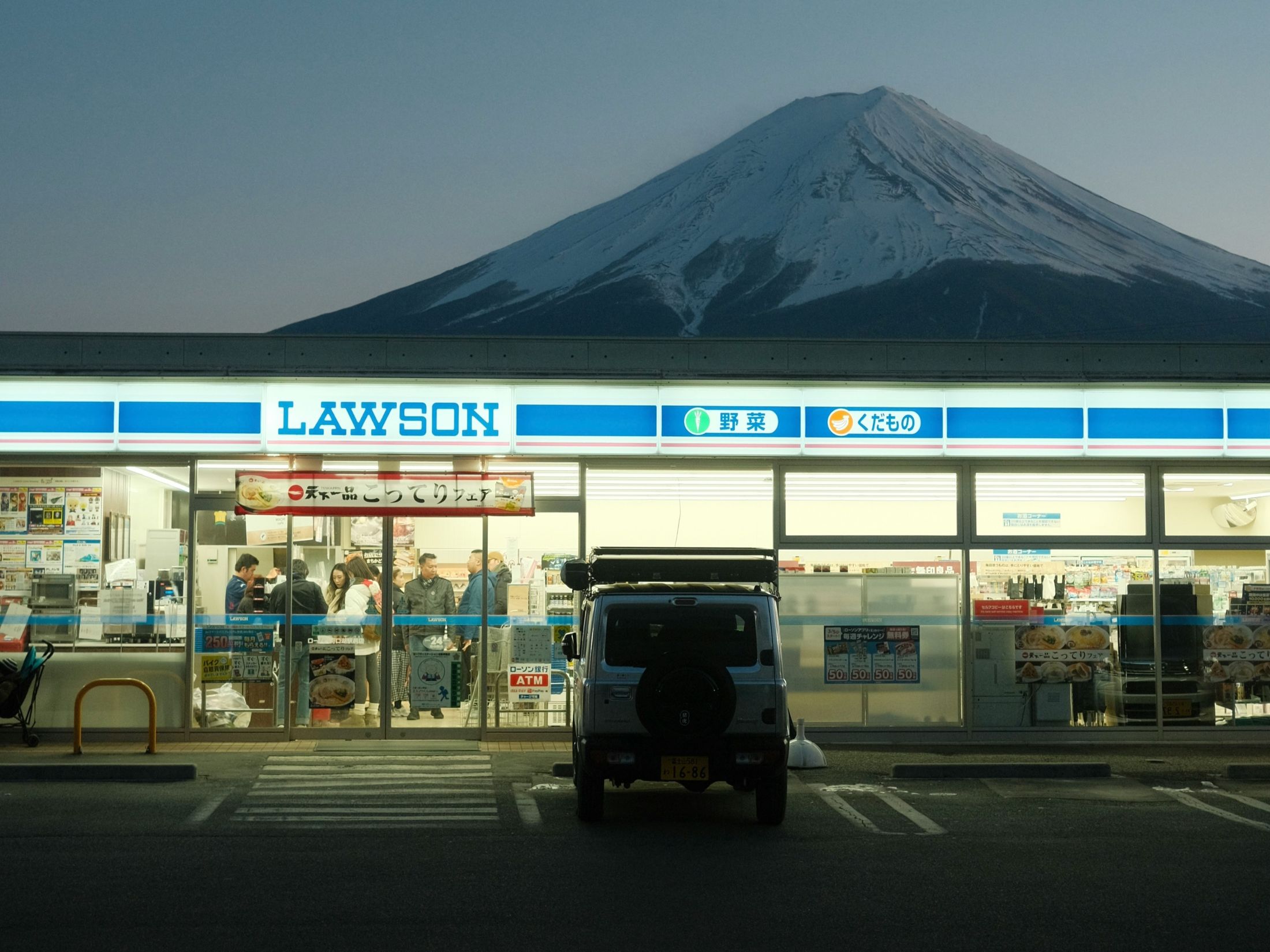
A prime example is Lawson, which launched AI-enabled ‘Lawson Go’ stores in Japan in 2022. Through collaboration with technology partner CloudPick, Lawson integrated state-of-the-art AI, machine learning, and computer vision technologies. As a result, the stores eliminated long checkout lines and cashiers, vastly enhancing customer convenience.
In South Korea, the retail company Fainders.AI debuted a compact, cashier-free MicroStore inside a gym in 2024. This initiative made autonomous retail more accessible across various sectors, showcasing AI’s transformative capabilities.
Moreover, AI is playing a crucial role in enhancing the efficiency of retail replenishment, particularly in the APAC region, characterized by limited store footprints and high demand for frequent restocking.
The Japanese food retailer Coop Sapporo employs a camera-based AI system known as Sora-cam. Developed by Soracom, this innovative system helps the chain reduce overstocking, ensuring fewer unsold items linger on shelves. An analytics team assesses the images generated by Sora-cam, determining optimal product display ratios. Furthermore, the system promptly alerts staff about discounting items nearing their expiry date, facilitating more effective waste management.
AI models also track inventory waste and adjust markdown timing, improving promotion efficiency. Given the price-conscious nature of Southeast Asian (SEA) markets, even small enhancements can significantly boost profit margins.
Moreover, AI-driven strategies for labor optimization—including scheduling, task prioritization, and workload management—are proving invaluable in Japan and South Korea, where structural labor shortages persist. These strategies are equally beneficial in fast-growing SEA markets, streamlining operations effectively.
Enhancing Consumer Interaction with Agentic AI Systems
Dandey emphasizes that in food retail, agentic AI functions as an intelligent operator capable of understanding specific goals, planning necessary steps, and executing tasks efficiently while adhering to budget and allergen restrictions. For instance, shoppers can express broader intents, requesting an AI agent to “plan five dinners for a family of four, focusing on Asian recipes, with no shellfish and under 45 minutes.” The agent then curates recipes, assembles a shopping cart, calculates ingredient quantities, and identifies any missing staples.
This functionality resonates deeply with consumers across the APAC region, where home-cooked meals and fresh ingredients are a staple. AI agents adept at recognizing local cuisines—such as Korean banchan, Japanese bentos, and Indian spice bases—better accommodate regional culinary preferences than generic meal plans.
"In many APAC markets, shopping is seamlessly integrated with digital wallets, messaging apps, ride-hailing, and delivery systems," Dandey observes, noting that this connectivity facilitates easy integration of agentic AI into everyday routines.
However, Dandey acknowledges some hurdles that need addressing: securing private data sharing consent, minimizing inaccuracies concerning allergens and ingredients, and ensuring effective localization that respects language nuances.
As we stand on the brink of this exciting evolution, it’s clear that the intersection of AI and retail in the APAC region is rich with potential.
Embrace the future of shopping with Malibu Elixir, where beauty meets innovation. Explore how technology can elevate your shopping experience today and inspire your journey toward the exceptional.