Unlocking the Future: Why Everyone is Racing to Embrace Physical AI
There’s a captivating momentum brewing in the technology sector, one that’s not defined by a single breakthrough but rather by a series of simultaneous advancements. Right now, physical AI is at the forefront of this evolution. Understanding its origins and implications can provide deep insights beyond what any product launch may reveal.
The Rise of Physical AI
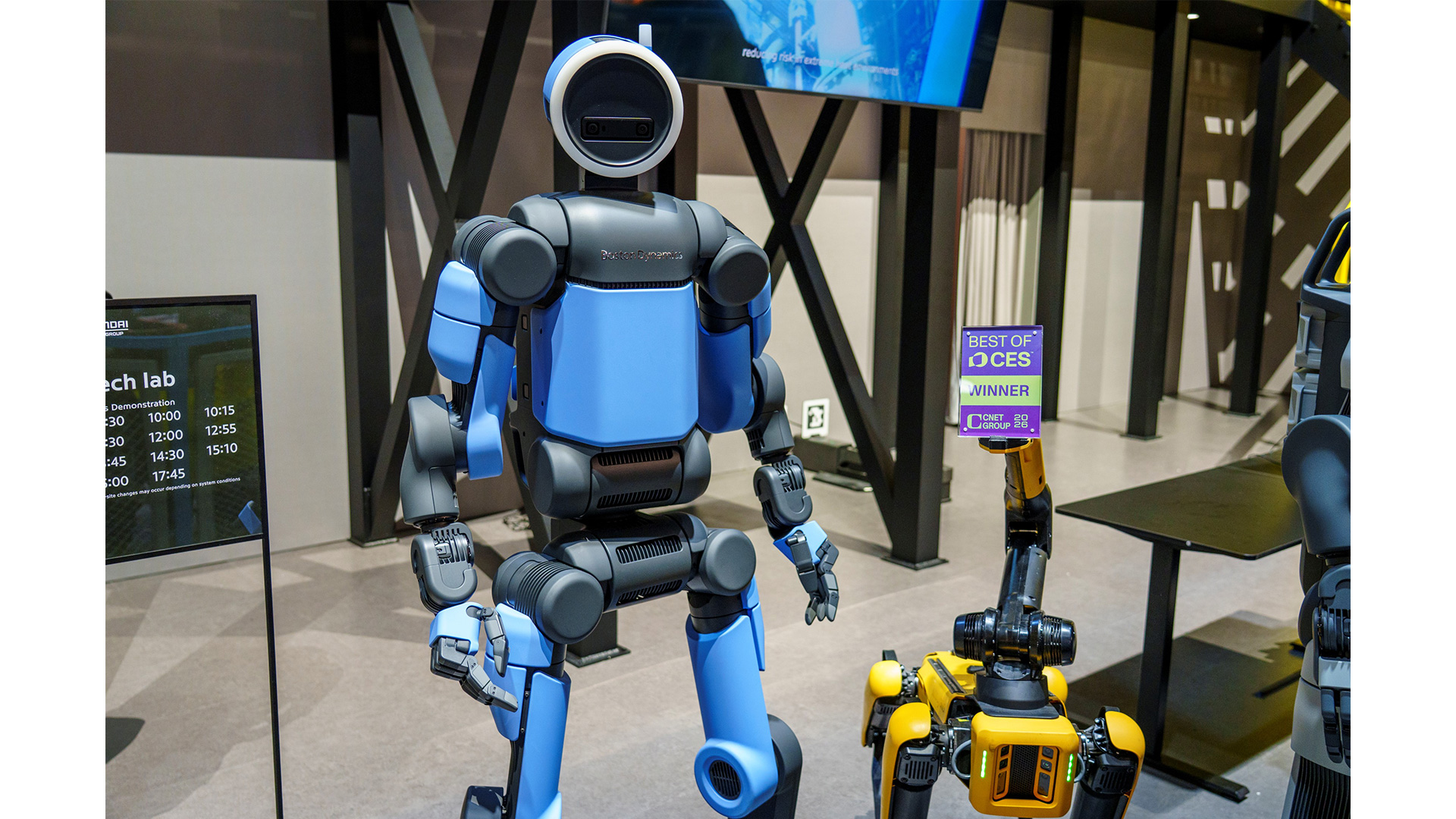
The concept of physical AI is straightforward yet profound. It encompasses AI systems that go beyond data processing, capable of perceiving, reasoning, and taking action in the real world—think robots, autonomous vehicles, and adaptive machines. At CES earlier this year, Nvidia’s CEO, Jensen Huang, aptly described it as “the ChatGPT moment for robotics.” This perspective emphasizes the transition of a technology once confined to research labs into one poised for mainstream commercial use.
As we observe this paradigm shift unfold from manufacturing hubs in Silicon Valley to dazzling exhibitions in Shanghai, the landscape of innovation is changing dramatically.
The West: Innovating the Framework
In the West, the push towards physical AI is an intense race to establish a robust platform. Interestingly, many of the key players aren’t traditional robotics firms; instead, they’re infrastructure giants eager to monetize AI through robotics.
- Nvidia recently unveiled new Cosmos and GR00T models aimed at enhancing robot learning and reasoning, alongside the energy-efficient Jetson T4000 module.
- Arm has launched a dedicated Physical AI unit focusing on semiconductor design tailored for intelligent vehicles and robotics.
- Partnerships like that of Siemens and Nvidia aim to create an Industrial AI Operating System, with ambitions for a fully AI-driven adaptive manufacturing environment.
Even Google is making headlines, integrating its Intrinsic robotics software unit to better offer a cohesive stack of AI solutions—from DeepMind’s intelligent models to robust cloud infrastructure.
This concerted effort to unify AI offerings mirrors the success of Android in the smartphone arena, where winning meant creating an essential layer that supported all other applications.
The East: Machines in Action
Unlike the West, China’s approach to physical AI is characterized by a more visceral execution. During this year’s Spring Festival Gala, humanoid robots from Chinese startups showcased stunning feats like kung fu routines and expertly choreographed performances—a striking contrast to the clumsy prototypes of yesteryear.
- In 2025, China already claimed over 80% of global humanoid robot installations and more than half of all industrial robots.
- The country also dominates the lidar sensor market and excels in producing critical components for robotics, driven by efficiencies rooted in its expansive industrial base.
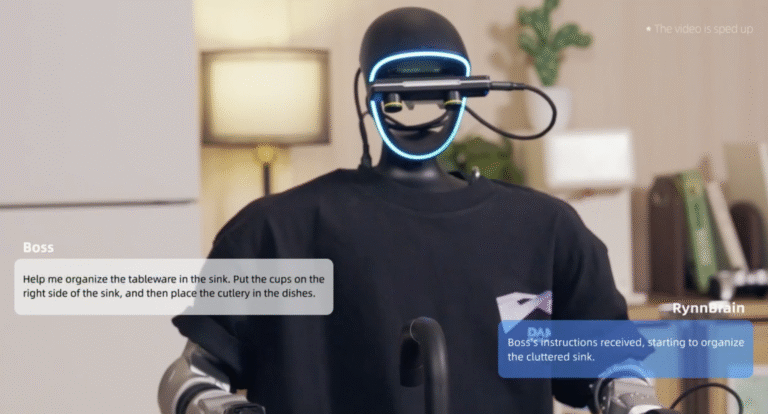
With its RynnBrain model, Alibaba has entered the arena, offering an open-source platform designed to enhance robot comprehension of their physical surroundings. This development positions China firmly alongside leaders like Nvidia and Google in the foundational model market, signaling a shift from experimentation to commercial viability in embodied AI.
The Significance Beyond Headlines
The intersection of Western platform strategies and Eastern manufacturing prowess is giving rise to a global ecosystem of physical AI, advancing concurrently across various sectors, each with unique advantages.
What truly distinguishes this moment in history is the dismantling of long-standing barriers to expertise. Previously, deploying industrial robots necessitated specialized engineering teams and extensive programming, often resulting in prolonged downtimes. The modern platforms being developed by Google, Nvidia, Siemens, and others are purpose-built to streamline these processes.
For instance, companies like Vention, which recently secured $110 million in funding, are claiming their physical AI platforms can drastically shorten automation project timelines from months to mere days. If this becomes the norm, it could fundamentally alter the economics surrounding manufacturing.
Additionally, there’s a subtle geopolitical aspect shaping the conversation. Every foundational model and platform currently being developed is intertwined with broader issues such as supply chain dependence, data sovereignty, and long-term infrastructure control. The entity that manages the software layer of physical AI will wield significant influence over global industrial operations for years to come.
Physical AI represents more than just a fleeting trend; it heralds a major transformation in how goods are produced, transported, and managed at scale. The discussions taking place today—from the boardrooms of semiconductor companies to bustling factory floors in both Shenzhen and Silicon Valley—mark the inception of this pivotal shift.
Embrace the journey that physical AI is poised to take us on, and don’t miss the opportunity to be part of this remarkable transformation. The future is bright, and the possibilities are endless.