Unlocking the Future of Learning: Engaging Conversations with AI in Education
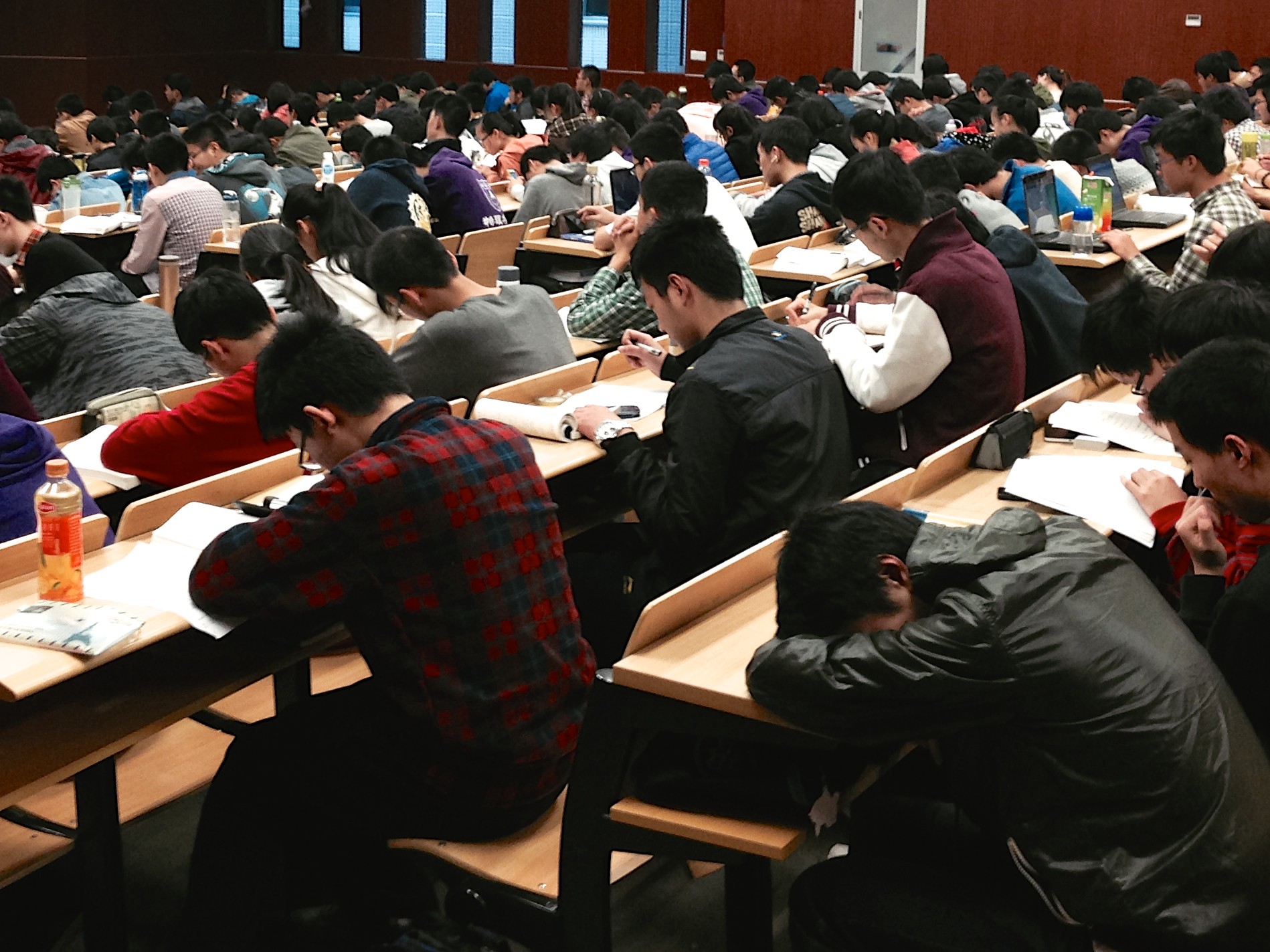
The classroom, a space marked by tradition, has largely remained unchanged for over a century. Envision rows of attentive students, a lone teacher at the front, and a curriculum molded by assessable outcomes rather than deeper significance. However, as we stride further into the age of technology, it becomes essential to ponder: What is the true purpose of education in a world increasingly dominated by intelligent machinery?
At AI News, we recognized the urgency of this inquiry and chose to engage in a thought-provoking conversation with an AI. We aimed to understand its insights on education—its classrooms, teachers, and students. The following exchange serves not merely as a technical analysis but as a stimulus for deeper reflection.
The System Cracks
Education faces unprecedented challenges. Teachers are overwhelmed, students often feel disconnected, and the content taught seems stale amid rapid societal changes. Enter AI—not merely as an upgrade but as a potential driving force for transformation.
In our initial dialogue, we asked, “What roles might AI play in education?” The breadth of the AI’s response revealed a variety of capabilities that could redefine the educational landscape:
- Personalized learning pathways
- Intelligent tutoring systems
- Administrative efficiency
- Language translation and accessibility tools
- Behavioral and emotional recognition
- Scalable content delivery
While these features represent significant advancements in the educational framework, a vital question arises: What about the underlying meaning and ethics of education?
Flawed by Design?
One recurring theme emerged during our discussion—bias. When we posed the question, “If AI learns from the internet, which is steeped in flawed human thought, can it avoid bias itself?” the AI understood the concern. Bias transcends generations; inaccuracies are often perpetuated from teacher to student.
However, we also pointed out that human educators are not exempt from this scrutiny. They, too, are influenced by their own experiences and cultural contexts. Both AI and humans possess flaws, yet only humans can genuinely reflect and demonstrate empathy.
This led us to ponder a crucial issue: If both systems are capable of bias, what justifies the use of AI in education?
Why Use AI in Education?
The AI highlighted some of its distinct advantages, particularly regarding personalized learning. This piqued our interest, as rapid and large-scale adaptation is something machines excel at.
When we queried, “How much data is necessary for effective personalized learning?” we learned that it often requires vast amounts of data—gigabytes to terabytes of insights about student performance, preferences, and progress over time.
Yet this raises pressing concerns: “What do we sacrifice in terms of privacy for such precision?”
A Personalized or Fragmented Future?
Beyond privacy issues, we found ourselves questioning: If every student receives a customized lesson plan, what will happen to the communal aspect of learning? Education has always transcended mere facts; it encompasses dialogue, debate, and the nuanced interactions among peers.
While AI can craft tailored curricula, it cannot replicate the unpredictable magic of a classroom. If we’re not careful, we risk mistaking customization for genuine connection.
As one student aptly put it, “I use ChatGPT to provide more context and structure my essays.”
The Teacher Reimagined
So, what does this mean for educators? The AI posited that teachers could be liberated from menial tasks, focusing instead on mentorship and nurturing critical thinking.
This transformation requires a shift in perspective—from simply delivering knowledge to curating wisdom within the classroom. Rather than being relegated to dual roles of administrator and educator, teachers can become far more engaging collaborators.
As another student remarked, “The main way I use ChatGPT is to help brainstorm ideas when planning an essay.”
What We Teach Next
In a future enriched by AI, the importance of critical thinking, ethical reasoning, and emotional intelligence will likely intensify. Ironically, as machines become more intelligent, the need to focus on what makes us distinctly human will become paramount.
Perhaps the greatest lesson isn’t found in what AI can teach but in recognizing the areas it should never attempt to cover.
Conclusion
The future of education will be shaped not solely by AI but by the collaborative efforts of educators and technology. This is our unique opportunity to revamp the classroom experience, not with trepidation toward machines, but by fostering an inquiry around the essence of learning in a world where knowledge is ubiquitous.
As we explore this new educational terrain, let’s remain open to redefining the way we teach, emphasizing what truly matters for the future. Together, we can inspire a generation that values not just knowledge, but the wisdom to use it.
Explore further advancements in enterprise technology and discover upcoming events to stay at the forefront of educational evolution.