Unlocking Insights: How OpenAI Integrates ChatGPT with Enterprise Data for Enhanced Knowledge Discovery
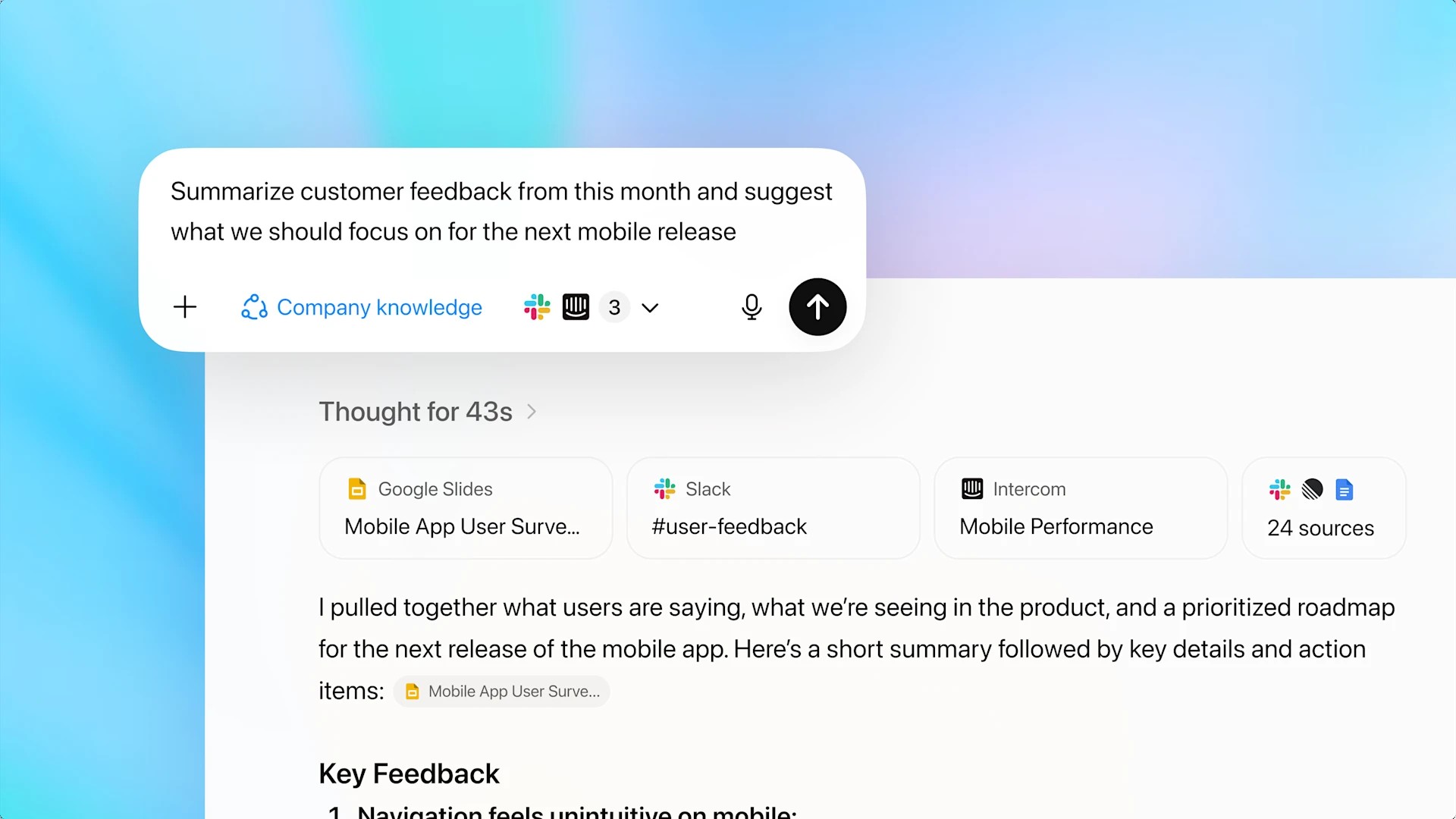
OpenAI is revolutionizing the way businesses access and utilize their internal knowledge by integrating ChatGPT with enterprise data systems. This transformation is about more than just enhancing an assistant; it’s about creating a tailored analytical powerhouse that can deliver insightful answers and streamline decision-making. For leaders in the business landscape, leveraging generative AI has been complicated by the fragmentation of vital information across multiple internal platforms. OpenAI aims to bridge this gap, making it easier to access and harness invaluable insights.
The Challenge of Disconnected Data
Many organizations face a persistent challenge: vital information is often spread across a plethora of documents, emails, messages, and project trackers. This disjunction not only leads to inefficiencies but also hinders sound decision-making. When tools don’t communicate effectively, crucial insights can become lost in the shuffle.
In response to this widespread issue, major tech players like Microsoft’s Copilot and Salesforce’s Agentforce are racing to connect their models to secure corporate data. OpenAI is now stepping into this competitive arena, focusing on offering a solution that could redefine how organizations utilize AI for analytics.
Enhancing ChatGPT with Enterprise Connectivity
OpenAI is breaking ground by equipping ChatGPT to link with applications like Slack, SharePoint, Google Drive, and GitHub. Powered by an advanced version of GPT-5, this updated ChatGPT can sift through various sources to provide comprehensive answers, complete with citations to enable verification.
Imagine a manager preparing for an important client call. With a simple request, ChatGPT can compile insights from recent Slack conversations, critical email exchanges, and relevant notes, all conveniently summarized into a digestible format.
This capability opens up new avenues for analysis. For example, if you were to ask, "What are the company goals for next year?", ChatGPT can succinctly gather discussions on the matter and illuminate differing viewpoints within the organization. This level of analysis provides leaders with clarity on ongoing debates or unresolved decisions.
Practical Applications for Teams
Here are several key applications where this technology can significantly enhance team efficiency:
-
Strategy Development: Aggregate customer feedback from Slack, analyze survey results, and pinpoint key themes from support tickets to inform strategic planning.
-
Reporting: Create detailed campaign summaries by pulling data from HubSpot, insights from Google Docs, and essential points from emails.
- Project Planning: Assist engineering teams in scheduling releases by reviewing tasks on GitHub, assessing tickets in Linear, and examining bug reports in Slack.
Navigating AI Governance and Security
For data leaders and Chief Information Security Officers (CISOs), sharing sensitive information with AI technologies presents a substantial risk. OpenAI is addressing these concerns by placing a strong emphasis on administrative controls and data protection.
The foundation of these controls is aligning the system with existing company permissions. This means that ChatGPT will only access data that users are authorized to see. Further, administrators can tailor app access and define custom roles.
While OpenAI asserts that it does not train on user data by default, advanced security features—including encryption, Single Sign-On (SSO), IP whitelisting, and a compliant API for logs—are in place to safeguard sensitive information.
However, it’s crucial to recognize that the technology is still evolving. Users need to make specific selections when initiating queries, and enabling company knowledge restricts the AI’s ability to browse the web or generate charts. OpenAI is actively working to enhance these functionalities.
Key Considerations for Business Leaders
As organizations look to harness the potential of this innovative AI tool, several important factors come into play:
-
Evaluate Data Permissions: Ensure all data access points are set correctly. If permissions are too broad, vulnerabilities could arise.
-
Start with Targeted Pilots: Instead of a widespread rollout, identify specific workflows hindered by disjointed information. Tasks such as crafting client briefings or generating inter-departmental reports are ideal for early testing.
-
Set Realistic Expectations: Make sure the team understands the current limitations, particularly regarding the manual activation of features and the inability to search online simultaneously.
-
Monitor Integration Ecosystems: The value of ChatGPT will be heavily influenced by its integration capabilities with existing systems. Compare the tool’s connectors with your organization’s technology stack.
- Analyze Competitive Solutions: Assess how ChatGPT stacks up against offerings from Microsoft, Google, and Salesforce to determine which solution best fits your organization’s security and operational needs.
OpenAI’s latest enhancements signify a pivotal shift towards aligning generative AI with secure and effective data integration—far beyond the capabilities of just a strong model. The introduction of these features has the potential to dismantle knowledge silos within enterprises, pushing the importance of data governance and access protocols to the forefront.
As you consider this advanced AI technology, remember that it’s not merely a quick-fix solution; instead, it’s an invitation to streamline and organize your data for even greater impact. Are you ready to take your organization’s knowledge management to the next level? Embrace this opportunity to harness the full potential of your data and witness transformative results.