Unlocking Emotional Insights: How WhatsApp Voice Notes Can Detect Early Signs of Depression
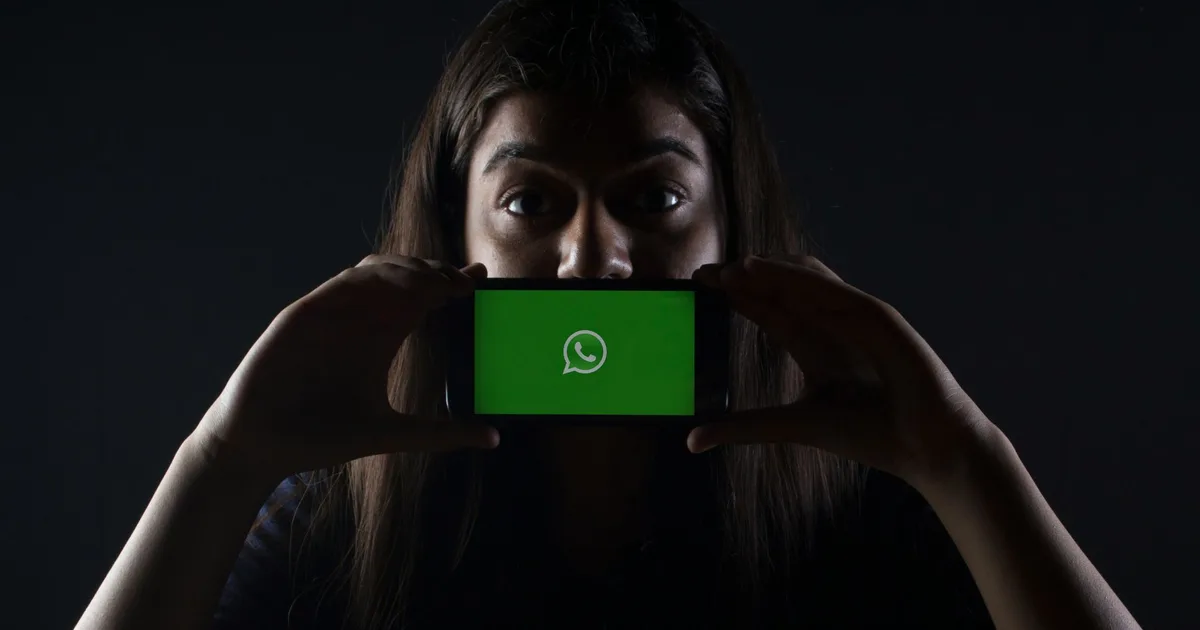
AI Model Discovers Depression Through WhatsApp Voice Notes with Over 91% Accuracy
As we weave technology into the fabric of our everyday lives, it’s becoming increasingly evident that even our casual interactions—like sending voice notes to a friend—might reveal insights into our mental well-being. A recent study, unveiled on January 21, 2026, in PLOS Mental Health, showcases an innovative medical AI model capable of detecting major depressive disorder with a remarkable accuracy of 91.9%, simply by analyzing short voice recordings sent via WhatsApp.
Transforming Voice Notes into Insights
Typically, we perceive depression as a concealed battle, but it manifests subtly in our speech patterns—variations in pitch, speed, and energy that often elude our conscious notice. This research team, spearheaded by Brazilian scientists including Victor H. O. Otani from the Santa Casa de São Paulo School of Medical Sciences, sought to examine whether machine learning could identify these so-called “acoustic biomarkers” in real-life scenarios.
Image Credit: Unsplash
The researchers constructed and trained seven distinct AI models that utilized actual voice messages exchanged via WhatsApp. Their approach was refreshingly natural, using recordings from patients diagnosed with major depression as well as a control group communicating routine updates. This emphasis on genuine, spontaneous speech is critical, as it reflects how people authentically express themselves in casual conversations rather than during clinical assessments.
Gender Differences in Diagnosis
The findings took an intriguing turn as the model demonstrated a notably higher accuracy in diagnosing women compared to men. When analyzing the “describe your week” recordings, the AI achieved that impressive 91.9% accuracy for female participants, while male accuracy dropped to approximately 75%.
Several theories emerged to explain this disparity. One possibility is that the dataset was skewed with more female voices, granting the AI more exposure to the nuances of female speech. Another hypothesis suggests men and women might communicate their mental health in distinct vocal expressions, revealing different acoustic patterns.
Interestingly, when participants were simply asked to count from one to ten, the gender gap narrowed significantly: women’s accuracy was 82%, while men’s was 78%. This indicates that while spontaneous speech—like sharing a personal experience—offers richer emotional data, it also introduces complexities that the AI may struggle to interpret consistently across genders.
A "Check Engine Light" for Mental Health
The potential implications of this technology are substantial, especially for individuals in low-income areas where professional psychiatric help is either hard to access or prohibitively expensive. Globally, mental health resources are limited, and the prevalent stigma often discourages individuals from seeking help until reaching a crisis point.
Image Credit: Unsplash
Imagine the transformative power of an app you utilize daily acting as a “check engine light” for your mental health, gently indicating when it detects subtle changes in your voice that correlate with feelings of depression. As highlighted by the researchers, including senior author Lucas Marques, this tool isn’t intended to supplant medical professionals but to serve as a cost-effective initial screening method. It would work seamlessly in the background, allowing billions to communicate in a medium they’re already comfortable with.
While there’s more work to do, such as broadening the study’s demographic reach to mitigate gender bias, the fundamental concept is groundbreaking: your pocket device may soon be able to recognize when you need support, even before you become fully aware of it.
As we harness technology to better understand our mental health, stay connected with the community around you. Explore ways to prioritize your well-being and recognize the signs when it’s time to seek help. Remember, you’re not alone in this journey. Let’s embrace these advancements together!