Unlocking 2026: Why One Venture Capitalist Predicts It Will Be the Year of the Consumer
Investment in consumer technology has experienced a noticeable dip since 2022, primarily due to an unpredictable macroeconomic environment and growing inflation concerns. This climate has led venture capitalists to shy away from companies relying heavily on consumer spending. In recent years, the spotlight has been on securing enterprise clients—those lucrative contracts and abundant budgets that promise quick growth.
However, one venture capitalist, Vanessa Larco from Premise, has a different perspective. She believes the consumer sector is on the brink of a resurgence by 2026.
The Resurgence of Consumer Tech
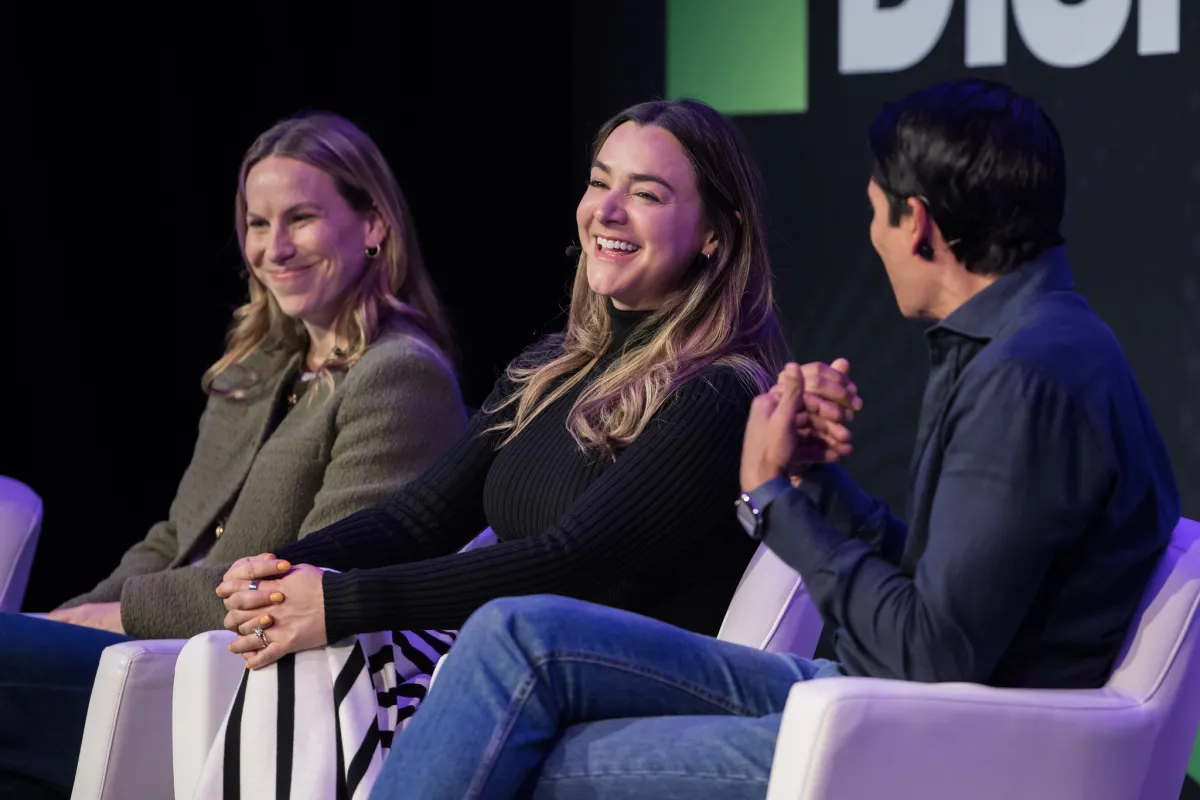
“This is going to be the year of the consumer,” Larco confidently stated in a recent episode of the Equity podcast. While enterprises have significant finances and a pressing need for AI, they often grapple with hesitation in implementation, unsure of where to begin.
In contrast, the consumer and prosumer markets are more straightforward. “People already know what they want to use,” she explained. Thus, once they make a purchase, if the product serves its intended purpose, they continue to use it. Adoption tends to be swifter in the consumer realm, providing startups with clear feedback on whether their product meets market demand.
“Selling to consumers gives you immediate insights into product-market fit,” Larco emphasized. This direct engagement allows businesses to pivot easily or, if necessary, completely redesign their offerings based on consumer feedback.
In a turbulent economy, consumer tech that can effectively scale signifies a robust product-market fit—a crucial indicator of success.
Shifts in Consumer Experience
Signs of a revival in consumer tech are already evident. Just last year, OpenAI launched several applications for ChatGPT, enabling users to interact with various platforms like Target for shopping, Zillow for real estate, Expedia for travel, and even to create Spotify playlists—all within the ChatGPT experience.
“AI will offer concierge-like services,” Larco predicted, streamlining tasks and elevating user experience. However, the challenge remains: which services should be tailored to specific needs, and which should be versatile for broader use?
Future Competition
As OpenAI evolves ChatGPT into a foundational element of the consumer internet, the landscape raises questions about opportunities for legacy companies like Tripadvisor and WebMD. Will they thrive alongside these emerging solutions, or will they be overshadowed by OpenAI’s advancements?
Larco anticipates a flurry of mergers and acquisitions in 2026, particularly focusing on startups that can fill gaps left open by larger entities. “OpenAI isn’t likely to venture into managing real-world assets,” she noted, suggesting that services requiring hands-on human management might not fall under their purview.
Another intriguing point she raised involves the potential for new monetization strategies. “What if OpenAI decides to take a cut of all traffic it sends?” she inquired, hinting at how established companies like Airbnb might need to navigate this evolving landscape.
A New Era for Social Media
While scrolling through Instagram for news on international events, Larco experienced a disheartening realization. Instead of reliable updates, her feed was dominated by AI-generated content, muddying the waters of truth.
“I thought, if I’m endlessly consuming AI-generated videos and photos, at least let them be entertaining,” she remarked. As perceptions shift, many may start to question the authenticity of the content on platforms like Meta and TikTok. Where will they turn for credible information?
Larco foresees a shift back to trusted sources, especially as platforms like Reddit tighten verification standards to ensure human authenticity in their content. For Meta, the future may lie less in news dissemination and more in becoming a hub for entertainment and user-generated media.
Reimagining Voice Technology
The recent acquisition of AI agent startup Manus by Meta stirred speculation about enhancing smart technologies, particularly Ray-Ban smart glasses. Larco, an avid fan of these glasses, relished their ability to answer calls, respond to texts, capture moments, and interact with AI—all without the need for a phone.
“I believe we’re on the brink of a revolution in voice AI,” she expressed, fueled by advancements in technology. “Some interactions are inherently better voice-driven than screen-based.” The initial hurdles with voice technology required screens as a fallback, but Larco sees a future where distinguishing between the two will become invaluable.
For instance, answering her children’s questions about the tallest skyscrapers feels cumbersome to type out. “That’s definitely a voice question,” she quipped, echoing a sentiment many can relate to amid our tech-driven lives.
Embrace the Change
As Larco anticipates this exciting evolution in both consumer tech and social media, it’s clear we stand on the cusp of significant change. The interplay between AI, user needs, and emerging technologies will reshape our experiences and expectations.
To fully embrace the future of consumer tech, consider how these innovations can enrich your daily life. Explore the possibilities, stay informed, and engage with the emerging landscape. Let’s look forward to a thrilling new chapter in technology together!