Unconventional Journey to Silicon Valley: How One Founder’s Unique Path is Shaping the Future of Industrial Tech
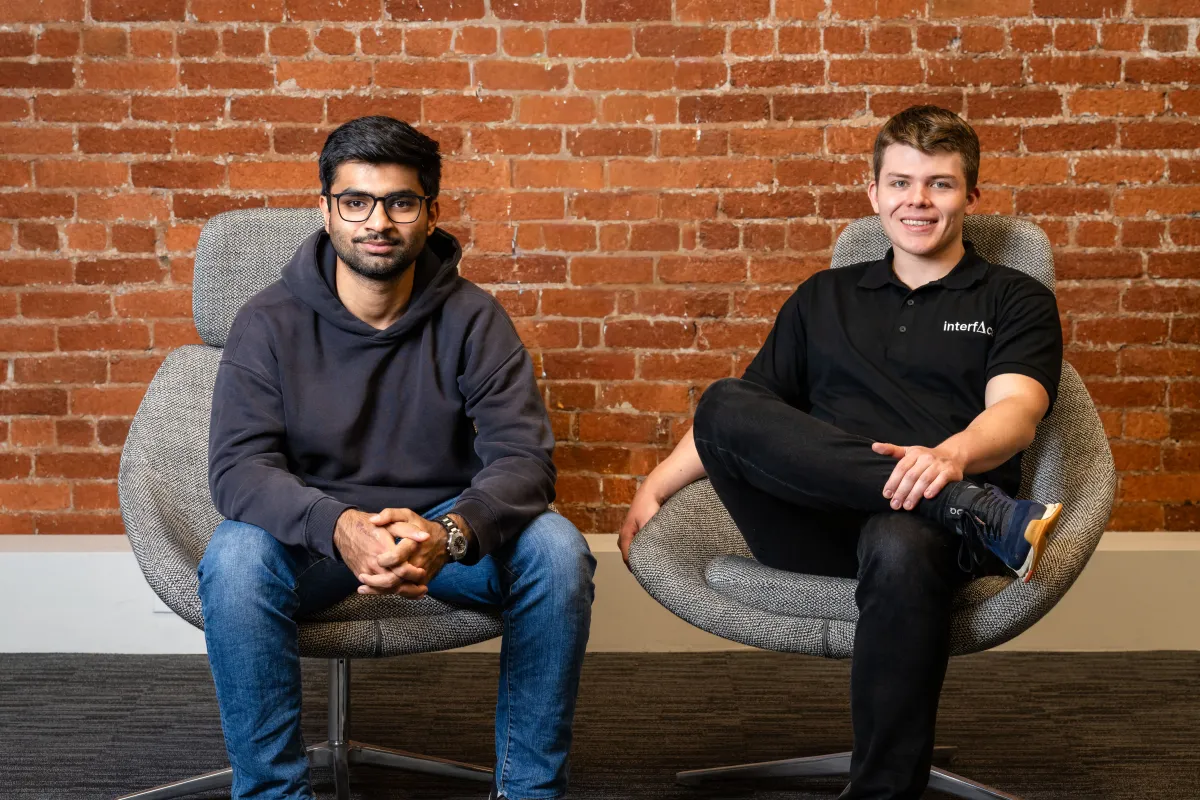
Thomas Lee Young may not fit the mold of a conventional Silicon Valley founder.
At just 24 years old, he leads Interface, a promising San Francisco startup that leverages AI to enhance safety in industrial environments. With a distinct Caribbean accent and a Chinese surname, Young’s diverse background offers a refreshing twist in the tech world. Having grown up in the vibrant landscape of Trinidad and Tobago, surrounded by oil rigs and energy infrastructure, Young’s family legacy of engineering has deeply informed his innovative approach to industry challenges.
The Unique Journey of a Leader
Young’s path to becoming a tech entrepreneur has been anything but typical. From the age of 11, he became fixated on attending Caltech, inspired by the endless possibilities he saw in Silicon Valley. He even crafted a clever application essay about repurposing his family’s Roomba for 3D mapping—a creative endeavor that ultimately earned him admission in 2020.
However, unforeseen challenges emerged with the onset of COVID-19. The global pandemic disrupted visa processes, leaving Young in a precarious situation. Furthermore, his meticulously saved college fund of $350,000 was severely impacted by the market downturn. Faced with limited options, Young pivoted to a more affordable three-year engineering program at the University of Bristol in the U.K., determined to keep his Silicon Valley dreams alive. “I was devastated,” he recalls, “but I realized I could keep moving forward.”
From Engineering to Innovation
At Bristol, Young was interning at Jaguar Land Rover, where he stumbled into human factors engineering—the intersection of user experience and safety design in industrial systems. “I had never even heard of it before joining,” he admits. His task was to ensure both vehicles and manufacturing lines were intuitive and secure for users, ultimately making operations as safe as possible.
It was during this time that Young recognized a critical issue plaguing the industry, which would soon become the foundation of Interface. Many companies relied on outdated tools for safety management—some even resorted to pen and paper. Operating procedures, essential manuals that help ensure worker safety, were often erroneous and impossible to maintain.
Turning Challenges into Opportunities
Young proposed a solution to Jaguar, but when they showed no interest, he began planning his exit. He discovered Entrepreneur First (EF), a European talent incubator known for nurturing promising entrepreneurs, and took a leap of faith by applying, despite a daunting acceptance rate of just 1%. After gaining admission, he cleverly informed Jaguar that he was attending a wedding in Trinidad, only to instead participate in EF’s rigorous selection process. Upon returning, he resigned. “They quickly pieced it together,” he chuckles.
At EF, Young met Aaryan Mehta, who would become not only his co-founder but also his CTO. Mehta, an immigrant born in Belgium, had faced similar visa hurdles and brought his own wealth of experience in AI and machine learning. “We instantly connected,” Young recalls, noting that they were the only duo in their cohort that remained intact throughout the program.
Innovating Heavy Industry
Today, Interface’s mission is straightforward: to harness AI to ensure safer operations in heavy industries. The company conducts autonomous audits of operational procedures, utilizing advanced language models to cross-reference against regulations and corporate guidelines. The goal? To identify errors that could potentially endanger workers.
The results speak volumes. In just a few months working with one of Canada’s largest energy companies, Interface identified over 10,800 discrepancies in their procedures—flaws that could have cost millions and taken years to rectify. Young highlights a particularly concerning example: a document that had been circulating for a decade contained incorrect pressure specifications for a critical valve. “They were fortunate nothing catastrophic occurred,” shares Medha Agarwal, a partner at Defy.vc, which recently backed Interface.
Building Trust and Efficiency
To build sustainable revenue, Young adapted his pricing model after initial attempts at outcome-based pricing didn’t resonate with clients. Now using a hybrid per-seat approach, one contract with a Canadian energy company alone is worth over $2.5 million annually, with more clients from the oil and gas sector in Houston, Guyana, and Brazil lined up.
Young’s age and unique background, often seen as barriers in traditional settings, have become his ace in the hole. When he walks into meetings with seasoned executives, skepticism arises, but he quickly turns the tide by showcasing his deep understanding of industry operations and the significant savings Interface can deliver. “Once you flip them, they’ll fight for you,” he exclaims, proud of the interest he’s garnered from industry workers typically wary of software solutions.
A Balancing Act in Silicon Valley
Despite remaining grounded in San Francisco’s Financial District, Young keeps a hard hat at his desk, always ready for field visits. “I might need to find more time for myself,” he admits, sharing how busy life has become as he balances building, hiring, and selling—with little downtime. “But I also feel really strong!”
As he reflects on his journey from Trinidad to Silicon Valley, Young finds the reality matches the stereotypes. “You wouldn’t believe how true the stories are about people sitting next to you in parks who have raised millions,” he shares, marveling at the connections he’s made. Yet, amid the hustle of tech life, he still finds moments to reconnect with nature, reminding himself of the roots that shaped him.
In a landscape where few startups focus on heavy industry, Young sees this niche as an enticing advantage. For engineers tired of conventional tech roles, the opportunity to work both in the vibrant Bay Area and on site at oil rigs offers a unique and compelling proposition. It’s a different kind of Silicon Valley dream—one filled with challenges, intensity, and a commitment to making the industrial world a safer place.
As Thomas Lee Young continues to forge his path, the future looks bright. His journey serves as an inspiration for aspiring entrepreneurs everywhere: stay true to your vision, adapt to challenges, and embrace innovation wherever it leads you.
So why not take action today? Whether you’re looking to pivot your career or launch a startup, remember: the journey might be unconventional, but that’s where the magic often happens. Embrace your unique perspective and let your ideas shine!