Trump Administration Urges Tech Giants to Invest $15 Billion in Unused Power Plants
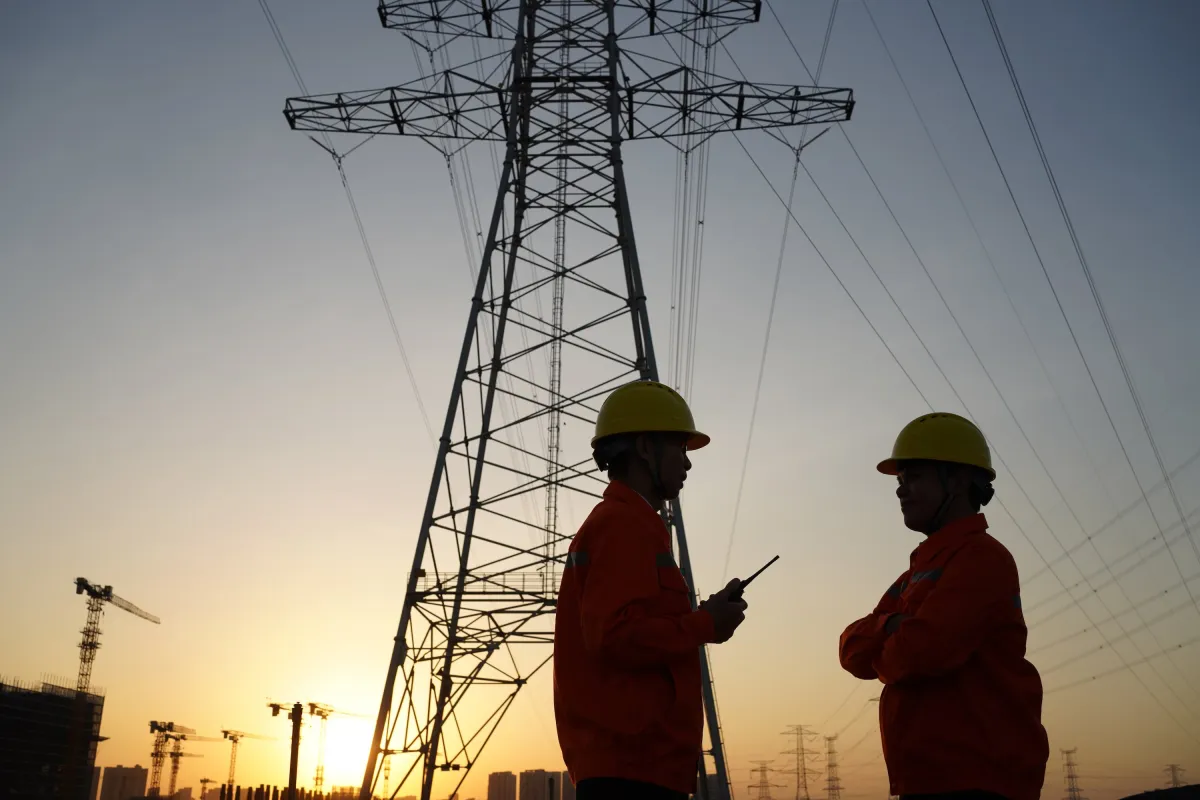
The current energy landscape is undergoing a significant transformation, with technological advancements driving an increased demand for electricity. As the spotlight turns to sustaining this growth, a new initiative proposed by the Trump administration aims to inject $15 billion into the electricity grid. This ambitious plan is drawing mixed reactions, particularly regarding the involvement of technology companies in the energy sector, even if their needs don’t directly align with the required capacity.
The Proposal Unveiled
The White House, alongside governors from several states, has called on the grid operator PJM to initiate an auction for 15-year contracts pertaining to the generation of new power. This comprehensive approach aims to ensure robust energy availability as the appetite for electricity surges, particularly from the burgeoning data center industry. It’s projected that demand from these facilities could soar nearly threefold in the next decade.
PJM’s Response
PJM Interconnection, which provides electricity to 13 states and serves over 65 million customers, is currently in the midst of evaluating the administration’s “statement of principles.” While it’s clear that the organization is examining new capacity planning, its stance on the proposal reflects hesitation. PJM spokesman Jeffrey Shields noted, “We don’t have a lot to say on this,” echoing sentiments of reluctance regarding external pressures.
The Growing Demand
Electricity rates in the PJM region spiked by 10% to 15% in 2025, igniting concern over the rising load on the grid. In the last ten years, PJM has recorded a peak load increase of 10%, and projections indicate an additional 6.5% rise in 2027. Much of this surge can be attributed to tech companies and data centers ramping up their energy consumption, particularly fueled by advances in artificial intelligence technologies.
Factors Contributing to Price Increases
Several elements are driving the rising costs of electricity. Natural gas prices have escalated sharply, with fossil fuels accounting for about 60% of the price hikes in 2025. This heavy reliance on less sustainable energy sources has left grid operators in a challenging position, especially as data centers demand more power after a prolonged period of stagnant growth.
Challenges in Power Generation
Investing in new fossil fuel power plants is a daunting endeavor, often requiring hundreds of millions of dollars and several years to come online. Many utility companies are understandably wary of committing to projects with long-term implications, particularly if the current AI boom were to falter.
Shift Toward Renewable Energy
In light of these challenges, many tech companies are veering away from traditional power generation. Instead, they’re gravitating toward renewable energy sources. The advantages of renewables—cheaper costs, modular construction, and expedited deployment—make them a compelling option. For instance, a typical solar farm can be operational in about 18 months, allowing energy delivery to commence before full completion. This flexibility aligns well with the timeline of data center development, helping mitigate potential risks.
As we navigate these complexities in the energy sector, the intersection of technology and sustainable power generation will shape our future.
In this ever-evolving landscape, staying informed and proactive is key. Whether you’re a decision-maker in a tech company or simply someone passionate about power sustainability, embracing new solutions is crucial. Let’s write the next chapter in energy together!