Transforming Workplaces: The Rise of Humanoid Robots from Cloud to Factory
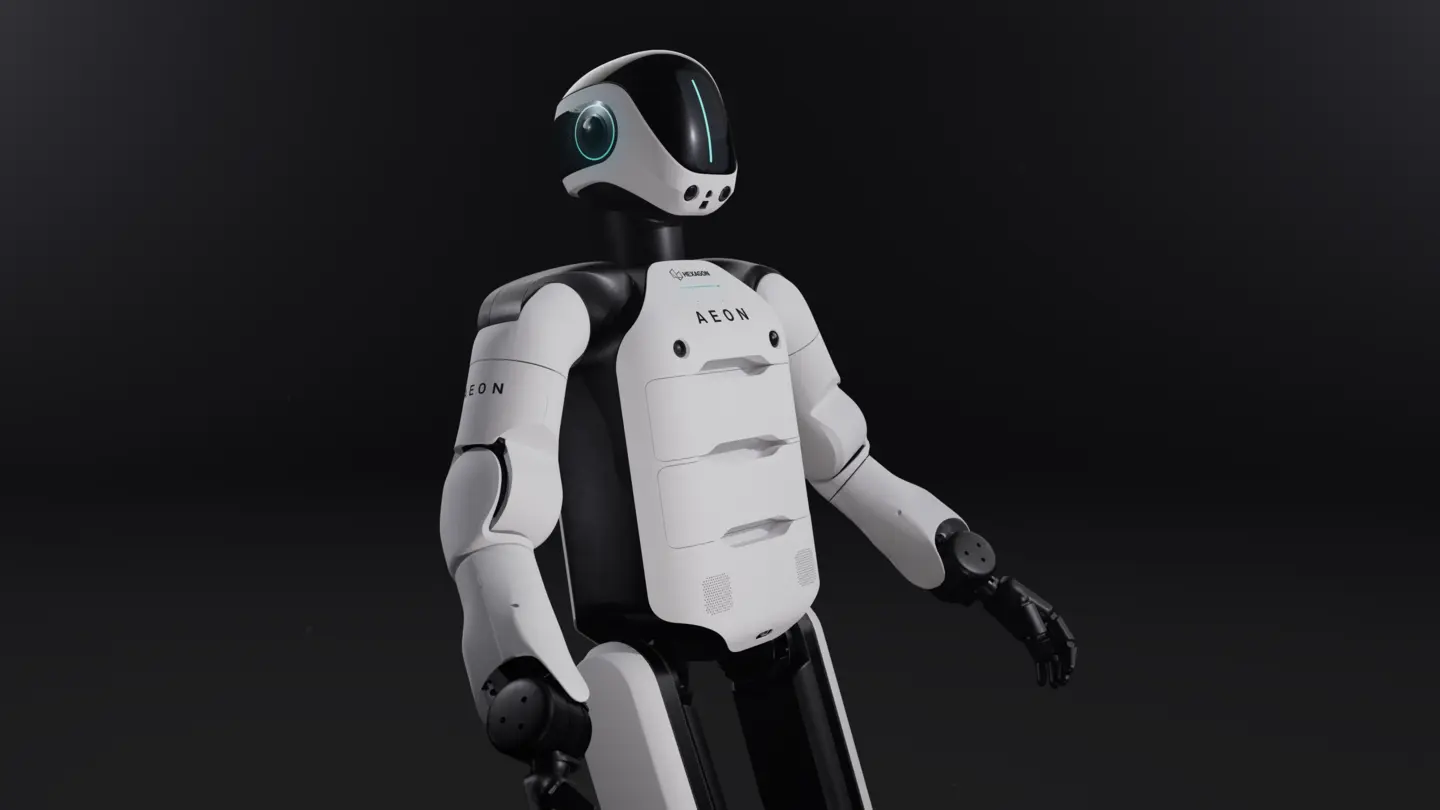
The recent alliance between Microsoft and Hexagon Robotics heralds a transformative era in the commercialization of humanoid, AI-driven robots tailored for industrial settings. This collaboration merges Microsoft’s vast cloud and AI capabilities with Hexagon’s seasoned expertise in robotics and spatial intelligence, propelling the integration of physical AI systems into everyday operations.
At the heart of this partnership is AEON, Hexagon’s innovative humanoid robot. This intelligent machine is designed to navigate autonomously through complex environments such as factories and logistics hubs, enhancing operational efficiency where it matters most.
The primary focus of their collaboration will encompass various critical areas, including multimodal AI training, imitation learning, and real-time data management. Industries targeted initially include automotive, aerospace, manufacturing, and logistics—sectors facing significant labor shortages and intricate operational challenges. The announcement signifies a pivotal moment in technology, marking the growth of converging ecosystems in cloud platforms, robotics engineering, and physical AI, all making humanoid automation a viable commercial asset.
Humanoid Robots Beyond Research
While humanoid robots have long been a staple in research labs and technology exhibitions, the past five years have ushered in substantial advancements paving the way for real-world applications. Improvements in perception and learning algorithms, paired with accessible cloud infrastructure, have propelled these innovations forward.
One standout example is Agility Robotics’ Digit—a bipedal humanoid engineered for logistics and warehouse tasks. Companies like Amazon have piloted Digit, employing it for material handling and logistical duties, emphasizing augmentation over replacement of human workers, allowing humans to focus on more complex responsibilities.
Similarly, Tesla’s Optimus program has transitioned from conceptual visuals to active trials within manufacturing environments. These robots are currently being tested for structured tasks such as part handling and equipment transport, demonstrating the advantages of humanoid-like designs that suit human-crafted spaces.
Addressing Inspection and Maintenance Needs
Industrial inspection has emerged as a key arena for deploying humanoid and quasi-humanoid robots commercially. Boston Dynamics’ Atlas—though not yet a general market product—has undergone live trials for inspections and disaster response, showcasing its capabilities in navigating uneven terrain and manipulating tools in environments deemed hazardous for human workers.
The Toyota Research Institute has also leveraged humanoid robotics platforms for remote inspection tasks, showcasing multimodal perception and human-in-the-loop control. This trend highlights the industry’s emphasis on reliability and accountability in the early stages of deployment.
Hexagon’s AEON aligns with this focus on sensor fusion and spatial intelligence, particularly crucial for inspection and quality assurance, where an accurate understanding of physical environments outweighs typical conversational AI functionalities.
Cloud Infrastructure: A Game Changer
A defining characteristic of the Microsoft-Hexagon partnership is the strategic utilization of cloud infrastructure to scale humanoid robot capabilities. The training and monitoring of these advanced systems generate massive amounts of data—video feeds, sensor feedback, spatial mapping, and telemetry—which can overwhelm local processing capacities.
By harnessing platforms like Azure and Azure IoT Operations, alongside real-time intelligence services, humanoid robots can undergo fleet-wide training, promoting shared learning and enhancing overall consistency. For key decision-makers, this shift in IT architecture positions humanoid robots as entities akin to enterprise software rather than mere machinery.
Addressing Labor Shortages with Innovation
Demographic shifts in manufacturing, logistics, and asset-intensive sectors pose significant challenges. Aging workforces, a waning interest in manual roles, and ongoing skills shortages create gaps that traditional automation cannot fill effectively. Unlike fixed robotic systems, which excel in predictable environments, humanoid robots offer adaptable solutions where human resources are often scarce.
These robots can stabilize operations during uncertain times, providing substantial value during night shifts, peak demand periods, and in roles considered too hazardous for human workers.
Essential Considerations for Investment
For decision-makers eyeing investment in cutting-edge workplace robots, there are several vital factors to consider based on real-world applications:
- Task specificity is far more critical than general intelligence, with successful deployments emphasizing well-defined activities.
- Prioritize data governance and security, especially when integrating robots with cloud platforms.
- Human integration can present challenges that rival the complexities of sourcing and operating the technology. At this stage of AI development, human oversight remains crucial for safety and compliance.
Embracing a Measured Shift
While humanoid robots won’t replace human workers, growing evidence from live deployments shows they are gradually making their way into the workplace. Today’s AI-powered humanoid robots are capable of performing economically valuable tasks, with seamless integration into existing industrial frameworks becoming increasingly attainable. For companies ready to embrace this technology, the pressing question is not "if," but rather "when" their competitors will responsibly harness these advancements at scale.
If you find this fusion of technology and human-like dexterity as fascinating as we do, consider exploring how humanoid robots could reshape your industry. Engage with us to discover innovative solutions that harness this transformative potential.