Transforming Scrap Aluminum into Cash: How Sortera is Revolutionizing America’s Recycling Industry
When we think of recycling, aluminum often stands out as an unsung hero. Its remarkable ability to be recycled endlessly, coupled with the fact that doing so uses significantly less energy compared to producing new aluminum, makes it an environmental champion. Yet, surprisingly, only about a third of the aluminum consumed in the U.S. actually finds its way back into the recycling loop. This inefficiency largely stems from the complications of sorting mixed aluminum materials—a problem that has perplexed the recycling sector for years.
Innovations in Aluminum Recycling
Enter Michael Siemer, the visionary CEO of Sortera. His company has pioneered a groundbreaking system capable of separating various aluminum grades with an astounding accuracy of over 95%. This innovative approach holds the promise of unlocking vast reserves of recyclable aluminum that have long been overlooked.
So, how does this impressive technology function? Sortera employs a sophisticated AI model that utilizes data from lasers, X-ray fluorescence, and high-speed cameras to identify different aluminum grades. The system meticulously classifies each chip—roughly the size of a large potato chip—within a fraction of a second. Siemer emphasizes the urgency of this process: “Ten milliseconds is a long time.” Once identified, precise jets of air direct the chip onto its designated path, ensuring it lands in the right bin.
The Importance of Precision
Speed and accuracy are crucial in the recycling game. Traditional operations must first melt aluminum to determine its alloy type. If the sorting isn’t done correctly, the mixed product loses its value, as buyers are left uncertain if it meets their specific requirements.
“People have been wanting to tap into this unsorted aluminum, yet no one has been able to unlock it,” Siemer explains.
A Path to Profitability
Sortera’s remarkable sorting accuracy has empowered the company to achieve a significant milestone: profitability. Siemer reveals, “The margin is exponential above 90%. Hitting 92% offers a solid margin, 95% is substantial, and 98% leads to incredible returns.” This success has turned Sortera cash flow positive since last August, operating from a single facility in Indiana.
To escalate their operations, Sortera recently secured $20 million in equity and $25 million in debt, primarily from VXI Capital and T. Rowe Price, to construct a second plant in Tennessee.
A Growing Vision
The new plant, set to open in April or May, will mirror the Indiana facility, where operations run continuously—24/7—processing millions of pounds of aluminum each month.
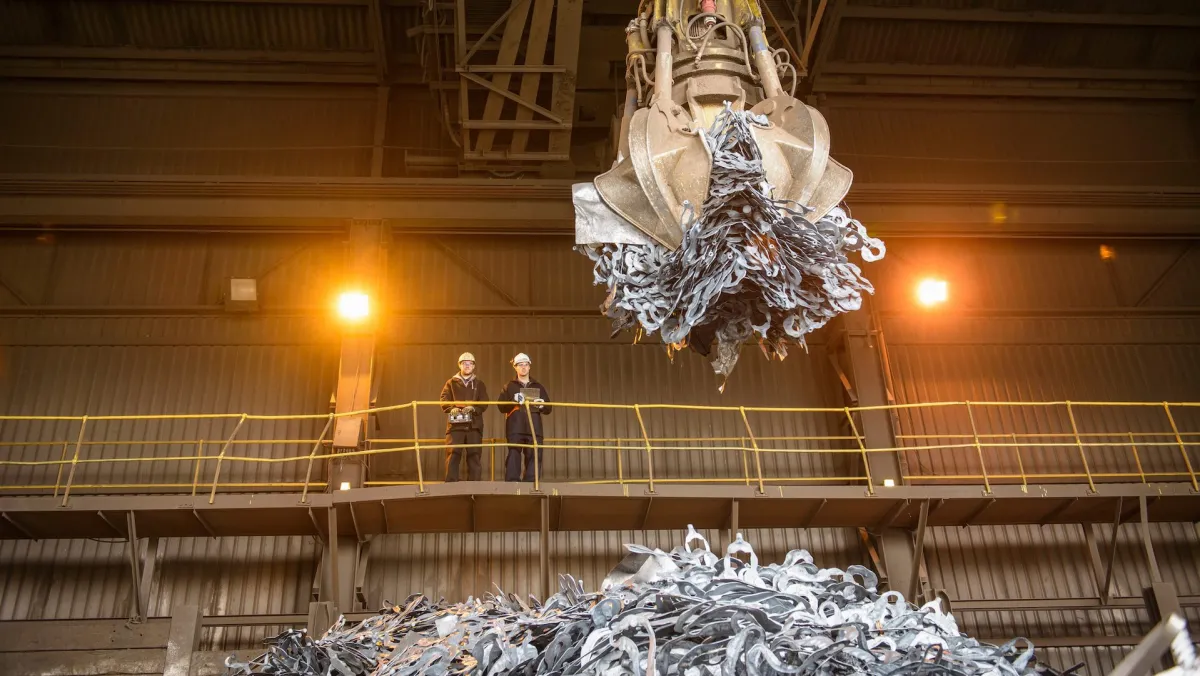
But where does this aluminum originate? Much of Sortera’s material comes from shredded automobiles. The nature of the shredding process creates unique fractures that offer visual cues for the AI to classify different grades. “The chemical variations become clear when shredded,” Siemer notes. The distinct characteristics of various aluminum alloys provide the system with essential insights, enabling quick and accurate identification.
Looking Ahead
As Sortera continues its journey, a significant portion of this reclaimed aluminum will likely re-enter automotive assembly lines. Manufacturers are increasingly utilizing aluminum to lower vehicle weights and enhance fuel efficiency. Siemer highlights, “Every auto OEM on the planet has visited our Indiana facility at least twice.”
While Sortera is exploring ways to process other metals like copper and titanium, its primary focus remains on aluminum for the foreseeable future. “We could rapidly sort the 18 billion tons of aluminum produced annually in the U.S. Every single pound could be sold profitably here,” Siemer concludes.
In a world where sustainability is more vital than ever, the advancements made by Sortera could not only revolutionize the recycling industry but also pave the way for a greener future. Join us in celebrating such innovative solutions that not only benefit our environment but contribute to a thriving circular economy. Let’s make conscious choices together, and remember—every small step counts!