Transforming Knowledge Work with One New Claude Feature
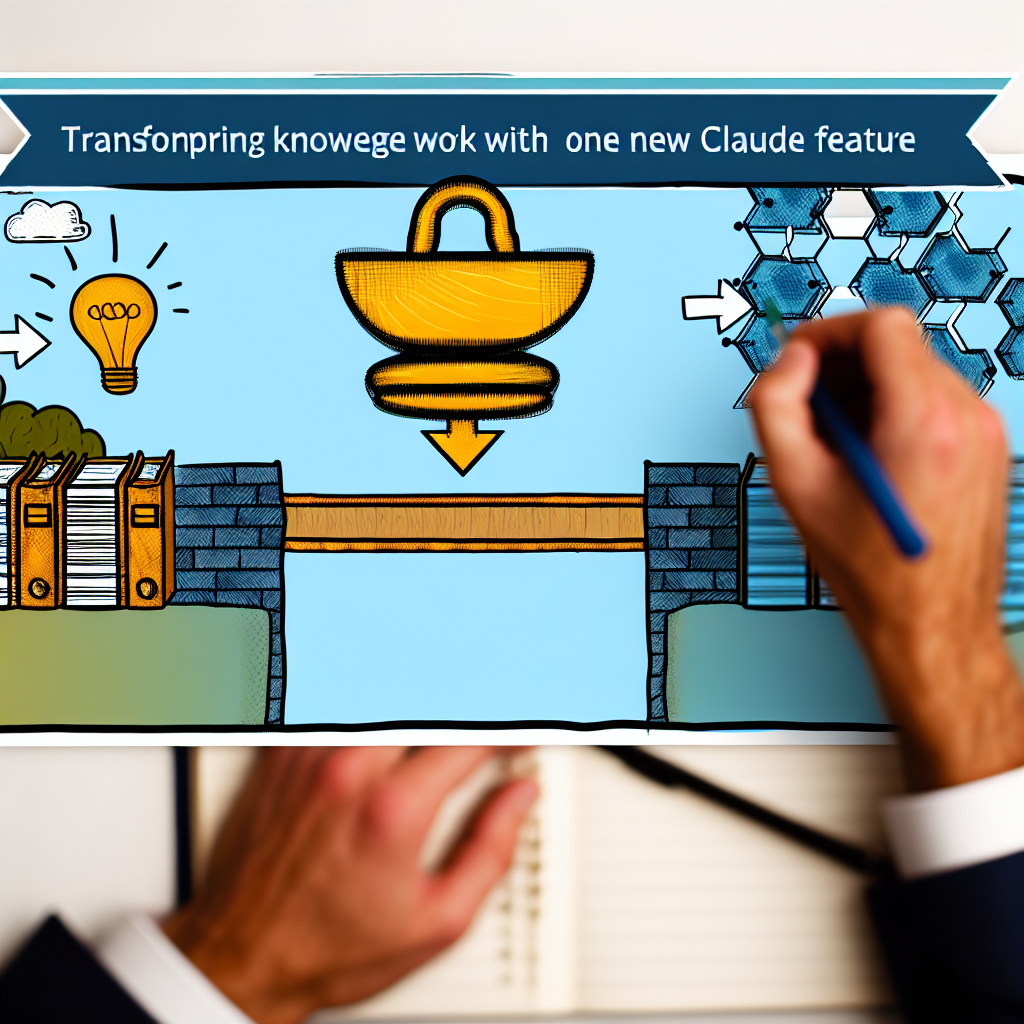
Harnessing AI for Enhanced Knowledge Work
In recent years, AI has increasingly been integrated into daily workflows, transforming how we approach tasks in business and personal life. The introduction of new features in AI tools, particularly the deep research mode, is changing the landscape of knowledge work. This blog post explores the impact of these advancements and how they can help streamline work processes.
The Evolution of AI Tools
Many AI tools, once seen as innovative, have settled into niche roles. For instance, Anthropics’ Claude, which started strong, has recently adapted to serve developers and coders more than everyday business leaders. However, the recent rollout of its innovative deep research mode, now available on lower-tier plans, is set to make it more accessible for broader use.
A Game-Changing Feature: Deep Research Mode
The newly enhanced deep research mode combines contextual knowledge from apps and web sources to empower users. This advanced functionality dramatically reduces the time and effort needed to find relevant information. By accessing documents, integrating with platforms like Google Drive, and performing web searches, the tool can pull insights from various resources to aid decision-making.
How Deep Research Mode Works
The deep research feature allows users to input complex queries and receive comprehensive answers by analyzing multiple sources. While the results may sometimes take a while—ranging from 5 to 45 minutes— the value in obtaining accurate, in-depth insights is unmatched. Notably, the tool’s ability to comprehend context means it can minimize errors and deliver more reliable information.
Potential Applications of Components Like Agentic Tool Use
One of the standout capabilities of deep research mode is agentic tool use. This means that the AI can interact across different applications to synthesize information, generating high-quality outputs. From enhancing project management in tools like Asana to automating data retrieval from CRM systems, the possibilities are vast.
Practical Use Cases
Here are a few examples of how to use these features effectively:
- Project Management: Automate the collection and analysis of project data across multiple platforms to enhance productivity.
- Research and Development: Conduct thorough literature reviews and collect feedback efficiently without getting bogged down in information overload.
- Customer Support: Identify patterns in customer feedback and streamline responses to common issues.
Getting Started: Steps to Leverage AI
To maximize the potential of this AI feature, consider these steps:
-
Identify Time-Consuming Tasks: Determine which repetitive or complex activities could benefit from automation or assistance.
-
Integrate Critical Applications: Connect relevant tools, such as Google Workspace, to simplify data access.
- Pilot New Processes: Before rolling out AI capabilities at scale, test them within specific teams or projects to evaluate their effectiveness.
Conclusion
As AI tools continue to evolve, integrating advanced features like deep research modes into business workflows will be crucial. By harnessing the capabilities of these tools, organizations can save time, improve decision-making, and unlock new levels of productivity.
If you’re interested in optimizing your team’s knowledge work with AI, explore options available to you and consider ways you can integrate these features into your daily operations.
For more insights on leveraging AI in your business, check out Harvard Business Review and McKinsey & Company.
Don’t forget to explore resources available to you to make the most out of AI and enhance your workflows today!