Transforming Higher Education: How Optimized Workplaces Enhance Employee Experience

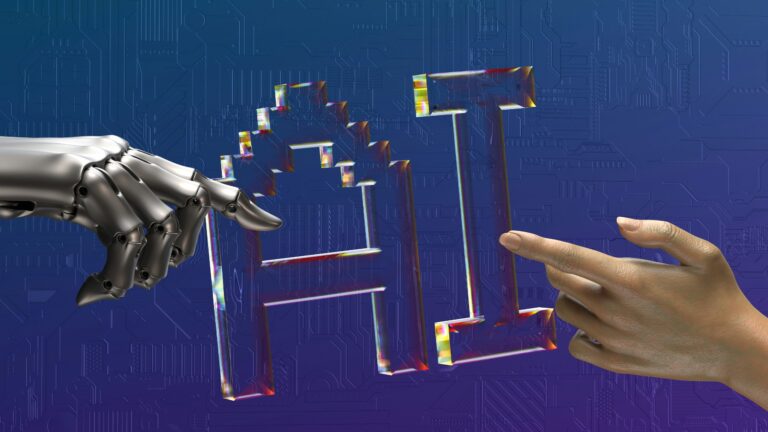
Artificial intelligence and hybrid workspaces are reshaping the modern workplace, creating an environment where beauty and productivity thrive. For those conscious of aesthetics and efficiency, these innovations not only enhance workflows but also elevate the overall experience. Let’s delve into how these progressive concepts are transforming spaces into sophisticated hubs of creativity and collaboration.
Embracing AI for Enhanced Productivity
The integration of artificial intelligence is gaining traction in various sectors, including higher education. According to CDW’s Workplace Modernization Report, a significant number of IT leaders express enthusiasm about AI technologies. Specifically, 80% are intrigued by AI-enhanced collaboration tools while 65% are eager to explore agentic AI, showing a keen interest in improving workplace efficiency.
AI Application in Higher Education
In higher education, artificial intelligence is playing a pivotal role, particularly in admissions and athletic departments. For example:
- Admissions Offices: AI agents assist in answering prospective student inquiries and reviewing application materials, thereby supplementing human staff roles.
- Athletic Departments: Data analytics powered by AI help optimize player performance and develop customized training schedules, reducing injury risks and saving precious time for coaches.
This technological embrace means that higher education institutions are not only streamlining operations but also enhancing the experiences of their employees and students alike.
The Rise of Hybrid Workspaces
The pandemic has accelerated the adoption of hybrid work models, and this trend is firmly established in educational settings. The CDW report highlights that 65% of respondents believe remote and hybrid work can improve productivity and aid in talent retention. Consequently, many institutions are reimagining their office spaces to foster collaborative and flexible environments instead of traditional, fixed workstations.
Creating adaptable workspaces allows staff to come and go freely, which not only boosts morale but also enhances productivity. This shift recognizes that a content workforce is integral to maintaining operational excellence in educational institutions.
Prioritizing Employee Experience
While enhancing the student experience remains a priority, the well-being of employees in higher education is equally crucial. IT leaders focus on optimizing various technologies to support both students and employees, ensuring that everyone on campus operates at their peak. After all, a motivated staff is essential in facilitating effective teaching and learning.
The integration of modern technologies and innovative workspaces also reflects a broader commitment to cultivating a culture of excellence within educational institutions.
Conclusion: Join the Transformation
In a world where artificial intelligence and hybrid work environments are at the forefront, the possibilities are endless. By embracing these changes, educational institutions can uplift both the employee and student experiences, fostering a vibrant community focused on success.
Are you ready to be part of this exciting evolution? Let’s inspire one another to create workplaces that are not only efficient but also beautiful, where everyone can thrive. Join the conversation today, and together, let’s shape the future of work!