Transforming Engagement: How ByteDance’s Agentic AI Smartphones Are Paving the Way for Innovative Opportunities
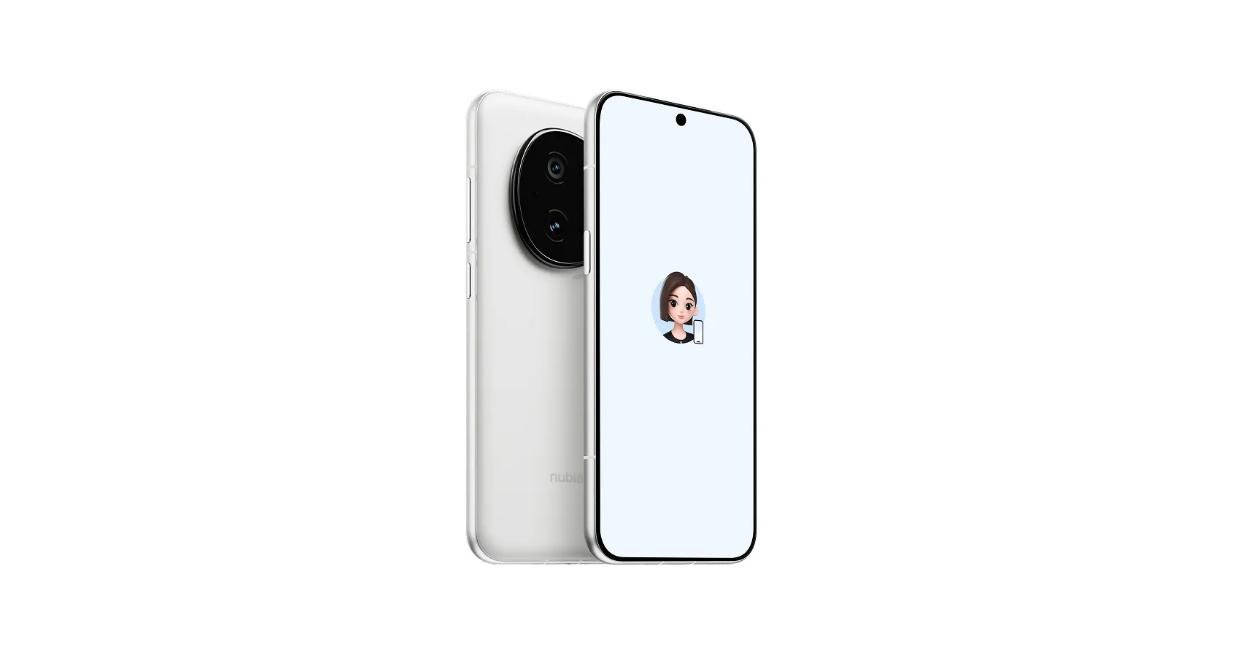
ByteDance’s recent launch of a groundbreaking agentic AI smartphone prototype with ZTE has ignited not only consumer excitement but also significant privacy concerns. As the dust settles, we see a deeper narrative emerging. This technology could drastically transform workplace productivity, field operations, and enterprise mobility strategies, provided it can navigate the critical trust and governance hurdles essential for enterprise adoption.
The Shift from Consumer Interest to Enterprise Demand
The allure of this technology is undeniable. Imagine voice-activated restaurant reservations, seamless photo editing, and stress-free price comparisons – all at your fingertips. Yet, industry insights reveal that in just a few years, enterprise software will increasingly integrate agentic AI capabilities. According to Gartner, by 2028, a staggering 33% of enterprise applications will feature this technology, a significant rise from less than 1% in 2024.
The smartphone, being the most commonly used computing device in business workflows, stands as an ideal testing ground. Nicholas Muy, CISO of Scrut Automation, emphasizes that “agentic AI in sectors like manufacturing, construction, and healthcare will not only enhance decision-making but also improve safety and streamline tasks.” However, he warns that early adopters face valid concerns regarding AI errors and security vulnerabilities.
Research from McKinsey shows that 23% of organizations are already scaling agentic AI systems in specific business areas, with an additional 39% experimenting with AI agents. Unlike consumer applications, enterprise adoption requires comprehensive governance frameworks, including audit trails and compliance mechanisms—a considerable gap in ByteDance’s prototype.
China’s Edge in Software-Hardware Synergy
ByteDance’s strategic decision to partner with ZTE, rather than creating its own hardware, mirrors effective enterprise AI strategies. The company is positioning its Doubao AI system for widespread integration, akin to how Google popularized Android.
Boasting 157 million active users as of August 2025, Doubao has quickly become dominant in China’s consumer AI landscape, vastly outpacing Tencent’s Yuanbao. This software-centric approach addresses a critical weakness identified by Morgan Stanley: major smartphone manufacturers like Apple and Xiaomi possess the technical capabilities to develop in-house AI assistants, limiting third-party partnerships.
ByteDance seems to target a niche market, focusing on second-tier manufacturers and enterprise device management platforms looking for unique features. For organizations, this fragmentation allows for flexibility in hardware selection while maintaining standardized AI capabilities—provided that governance and security concerns are adequately addressed.
The Privacy Backlash and Its Lessons for Enterprises
The swift backlash following entrepreneur Taylor Ogan’s viral demonstrations of the M153 illuminated the essential requirements for enterprise adoption. As users witnessed an AI agent wielding extensive permissions to autonomously access apps and carry out transactions, concerns shifted from mere convenience to questions of control.
A survey by Forum Ventures highlights that trust is the foremost barrier to adoption: “The trust gap is enormous,” notes Jonah Midanik, a General Partner there. “AI agents may perform tasks with impressive efficiency, but their outputs stem from probabilities, not truths.”
ByteDance’s recent limitation of capabilities illustrates an understanding that enterprise-grade AI smartphones need detailed permission systems, thorough logging, and strict operational boundaries—features largely absent from the original consumer prototype.
Distinct Use Cases: Enterprise vs. Consumer
The applications of agentic AI smartphones in enterprises differ dramatically from those geared toward consumers. For instance, field service technicians could utilize AI agents for:
- Proactive equipment history review.
- Real-time route optimization.
- Guidance through intricate procedures without manual searches.
Healthcare professionals could leverage AI for streamlined patient context access, while financial experts might benefit from AI-driven compliance recommendations.
As PwC research indicates, 79% of organizations have already implemented some level of AI agents, with 96% of IT leaders planning to expand in the near future. However, Cloudera’s survey stresses that successful enterprise deployment hinges on industry-specific data integration, open decision-making processes, and comprehensive pilots.
While the consumer smartphone market is expecting to see 912 million generative AI-enabled units by 2028, focused on personalization and convenience, enterprise applications prioritize auditability, compliance, and risk mitigation—criteria not currently met by consumer-oriented AI smartphones.
Navigating Global Competitive Dynamics and Regional Strategies
The ongoing US-China technology divide introduces additional complexities. Apple’s delayed introduction of their Apple Intelligence in mainland China opens doors for competitors like ByteDance, Alibaba, Baidu, and Tencent. However, Apple’s strategy emphasizes tight hardware-software integration and user privacy, which is crucial for enterprise security.
ByteDance’s licensing strategy positions Doubao for swift market penetration among Chinese manufacturers, potentially establishing industry standards ahead of Western competitors. Multinational enterprises must now navigate a bifurcated landscape, grappling with data sovereignty and compliance challenges.
According to Counterpoint Research, the Asia-Pacific region is witnessing the fastest growth in AI agents, while the US retains a 40.1% revenue share. This complicates device management for enterprises that may need to maintain separate strategies across various regulatory environments.
Moving Forward: Seeking Solutions Over Hype
For enterprise leaders considering agentic AI smartphones, ByteDance’s prototype provides crucial insights into vendor expectations:
- Establish governance frameworks that clearly define decision-making boundaries, log all actions, and implement role-based access controls.
- Adopt hybrid approaches that meld on-device processing for sensitive tasks with cloud capabilities for complex functions.
- Initiate phased rollouts beginning with low-risk use cases, illustrating value while managing potential risks.
The collaboration between ByteDance and ZTE foreshadows an inevitable trend: agentic AI capabilities will soon be standard across smartphones, rather than premium features. Enterprise adoption is likely to mimic established patterns—starting with pilot programs, rigorous security validations, and gradual expansion as governance structures mature.
As Gartner forecasts that 15% of work decisions will be made autonomously by agentic AI by 2028, the smartphone evolves into much more than a communication device; it becomes a vital enterprise agent. The key takeaway? Success will smile upon those who deploy thoughtfully, ensuring that security and scalable governance are priorities from the outset.
Explore the promising future of agentic AI technology, and stay ahead of the curve in this rapidly evolving landscape, where informed decisions pave the way for innovation and success. Embrace the change—your journey into the world of smart technology has just begun!