The Complete AI Business Revolution: Agents, Wages, & Future Predictions
Artificial Intelligence (AI) is rapidly transforming the business landscape, sparking curiosity about its future impact. As we look toward 2025, several predictions emerge regarding how AI will revolutionize various sectors and practices, enhancing efficiency and redefining job roles. Understanding these predictions can provide insights not only into the technology but also into how it might affect your career and business.
The Growth of AI Agent Roles
Agent Orchestrators Will Come to the Forefront
One of the most compelling predictions for 2025 is the rise of the "agent orchestrator" role. This unique position will involve guiding various AI agents to operate seamlessly within organizations. With research indicating that 75% of companies plan to adopt AI agent technologies, the emergence of these orchestrators could mirror the role of air traffic controllers, ensuring that numerous AI systems work effectively together.
Public Companies Requiring AI Agents
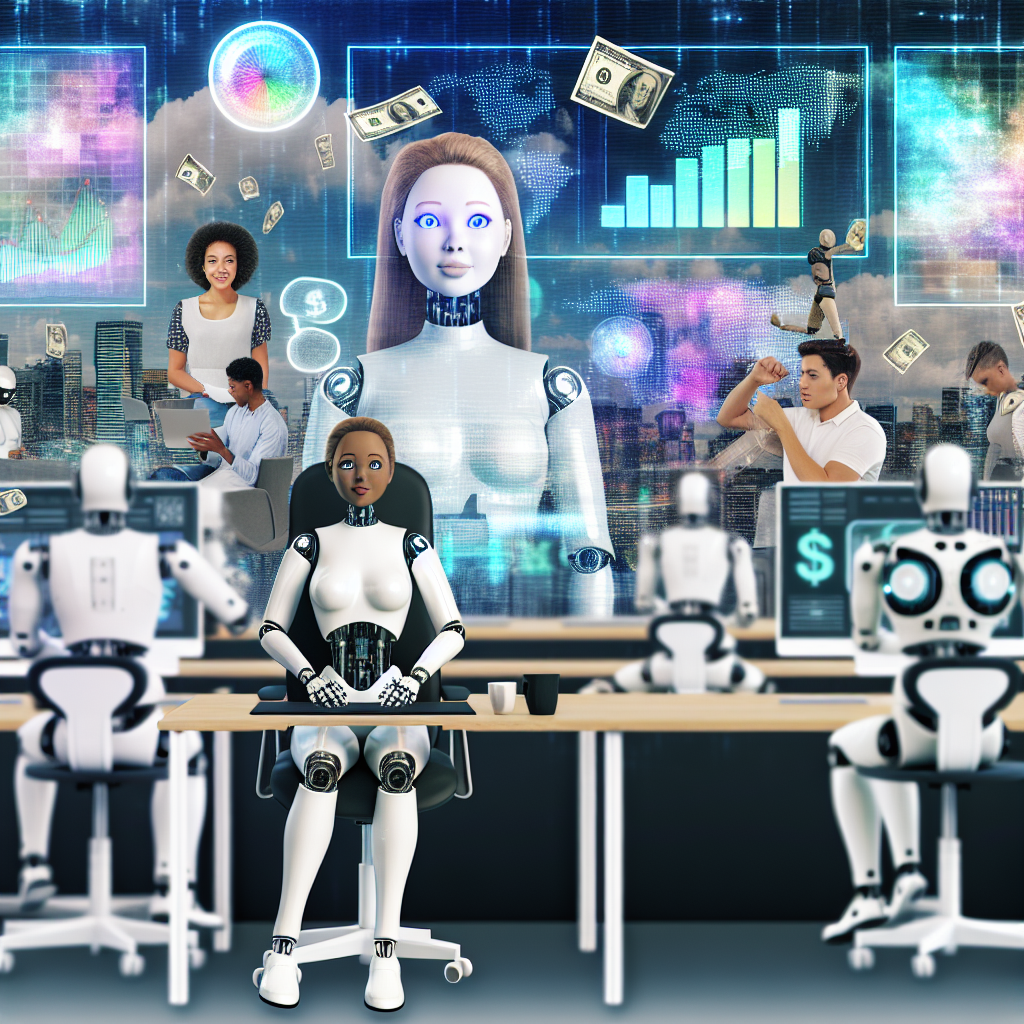
As AI becomes more integral to operations, it’s expected that public companies will start posting job openings specifically for AI agents—essentially roles designed for the AI systems themselves. This trend may lead to a significant shift in how businesses utilize technology, pushing efficiency to new heights and driving competition.
Data-Driven Decision Making
Emphasis on Reasoning Data Collection
Another prediction involves the rising importance of reasoning models in AI applications. Companies are expected to focus on gathering structured data from unstructured sources, transforming everything from emails to meetings into actionable insights. By doing so, they will enable more effective decision-making processes, leveraging AI to enhance operations and customer interactions.
Economic Shifts in Professional Services
Pricing Crisis for High-End Services
AI’s capability to perform tasks traditionally assigned to high-skilled professionals could reshape pricing structures across fields like law, consulting, and IT. Many companies that were early adopters of AI technology have already begun to outpace their competitors, leading to a potential pricing crisis. As AI-driven solutions become universally accessible, businesses are likely to face pressure to reduce costs, creating a market for more affordable options.
Universal Basic Income (UBI) Dialogue
UBI as a Mainstream Conversation
With concerns about job displacement due to AI, discussions surrounding Universal Basic Income (UBI) are expected to gain traction. While it may not be implemented immediately, the increasing focus on UBI could shape future economic policies, pushing it into mainstream conversations across boardrooms, classrooms, and homes.
Conclusion
The next few years promise considerable transformation driven by AI, from the roles people will hold within organizations to how companies approach service pricing and economic equity. Keeping a close eye on these developments can prepare you for the shifting landscape.
For more insights into the impact of AI, check out credible sources like McKinsey’s insights on AI and Pew Research Center’s discussions on technology’s role in society.
Stay informed about the latest AI trends and how they can benefit your career or business by engaging with resources available online. Explore how you can leverage AI today!