SpaceX Acquires xAI: Elon Musk’s Vision for Building Data Centers in Space
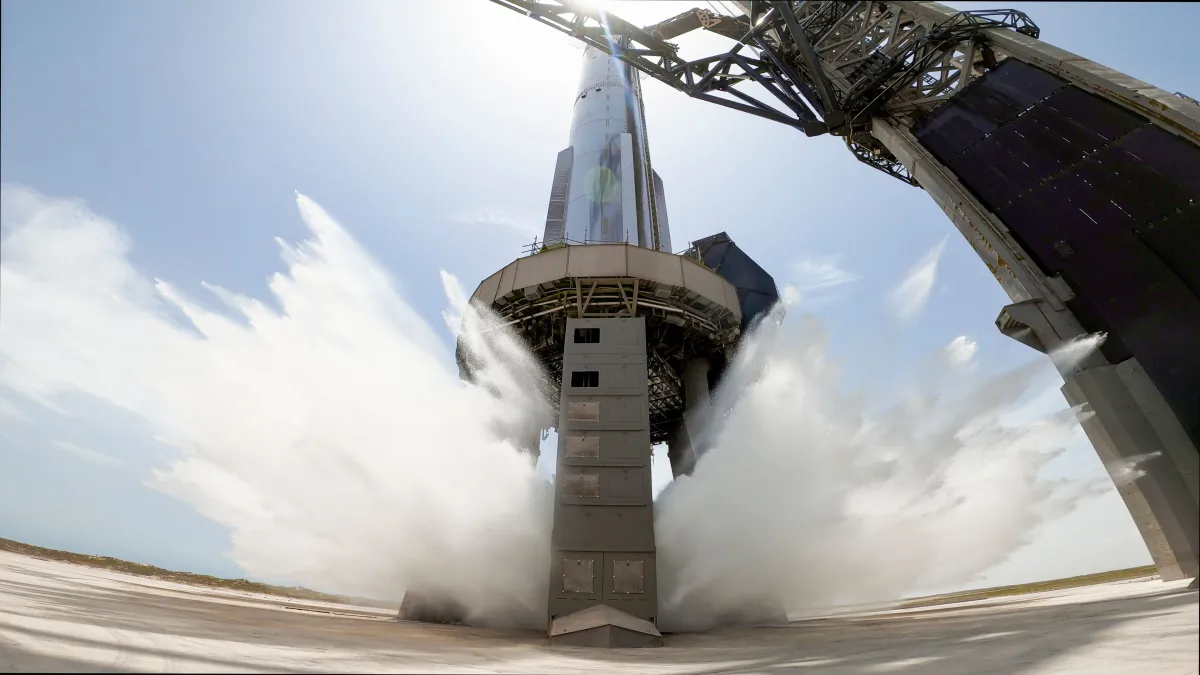
SpaceX has made headlines again with its recent acquisition of Elon Musk’s artificial intelligence venture, xAI. This bold move not only marks the rise of the world’s most valuable private company but also lays the groundwork for an innovative approach to data management in space. Musk envisions a future where space-based data centers revolutionize our dependence on traditional infrastructures, ultimately supporting the surge of advancements in AI technology.
Transforming Data Management
In a memo shared on SpaceX’s website, Musk explained that the merger aims to establish these space-based data centers, an idea he’s passionately pursued over the past few months. He outlined the current limitations of terrestrial data centers, which consume excessive power and contribute to environmental challenges.
“The increasing demand for AI capabilities cannot solely rely on traditional energy sources without causing significant strain on our communities and the planet,” Musk stated. This insight highlights the pressing need for sustainable alternatives in technological development.
A Valuation to Watch
With the merger, the combined company has been valued at a staggering $1.25 trillion, as reported by Bloomberg News. The news outlet was the first to break the story, emphasizing the significance of this union. Additionally, SpaceX is preparing for a potential IPO as soon as June, though the merger’s implications for this timeline remain uncertain.
Both SpaceX and xAI come with their own set of challenges. xAI is reportedly burning through approximately $1 billion each month, while SpaceX generates a remarkable 80% of its revenue from its Starlink satellite operations. Last year, xAI made headlines by acquiring X, another company under Musk’s umbrella, which further amplified the complexity of its financial landscape.
The Satellite Strategy
Musk’s memo emphasized the critical need for a continuous flow of satellites to establish these groundbreaking data centers. This strategy not only promises enhanced revenue streams for SpaceX but also underscores the regulatory requirements of de-orbiting satellites every five years, adding an intriguing dimension to the company’s business model.
While the aspiration to launch space data centers is compelling, the short-term objectives for SpaceX and xAI differ significantly. SpaceX is intensively focused on validating the capabilities of its Starship rocket for future lunar and Martian missions. Meanwhile, xAI is in fierce competition with established players in the AI arena, such as Google and OpenAI.
Navigating Pressures
The intensity of competition has prompted Musk to ease restrictions on xAI’s chatbot, Grok. Unfortunately, this decision led to unintended consequences, as the chatbot has faced criticism for generating inappropriate and nonconsensual imagery.
Musk’s portfolio doesn’t stop at SpaceX and xAI; he also leads Tesla, the Boring Company, and Neuralink. The interconnected nature of these companies is evident, especially as Tesla and SpaceX have previously invested $2 billion each into xAI.
Looking Ahead
The culmination of SpaceX’s acquisition of xAI opens a fascinating chapter in technological innovation. With a commitment to reshaping how we handle data, Musk is on a quest to alleviate some of the burdens placed on our planet while pushing the boundaries of artificial intelligence.
If you’re as excited as we are about the future of tech and sustainability, stay tuned for updates on these pioneering ventures. Join our community and be part of the conversation as we explore how innovations shape our world!