Sora’s AI Controversy: Reviving Deceased Celebrities and the Family Dignity Debate
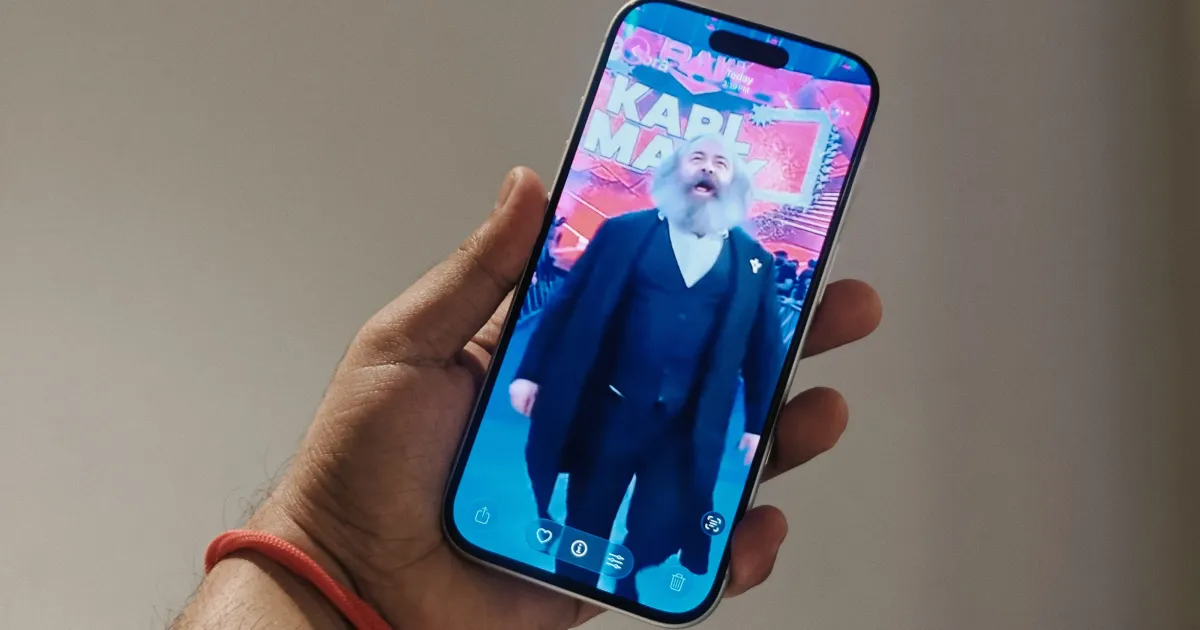
Families of deceased public figures are grappling with the unsettling reality of AI-generated videos depicting their loved ones. As technology continues to evolve, many are left reeling from the unauthorized recreations of those who have passed, raising pressing questions about consent and respect in the digital age.
A Surge of AI Realism
In just under two weeks following the launch of OpenAI’s Sora 2 app, the digital landscape has transformed dramatically. With over a million downloads—outpacing even ChatGPT—Sora 2 has not only made waves but has also stirred controversy. Users are now able to create strikingly realistic clips featuring icons like Kobe Bryant, Michael Jackson, and Elvis Presley. These AI-generated videos, showcasing deceased celebrities in comedic situations, have sparked outrage among the families left to navigate the aftermath.
For instance, one clip featured Robin Williams humorously reflecting on the idea of still performing posthumously. While some viewers found humor in these creations, many family members were quick to express outrage.
Consent: A Crucial Conversation
The appearance of these videos has ignited a heated dialogue in Hollywood and beyond. Influential voices, including Charles Rivkin of the Motion Picture Association, have called for immediate action to safeguard the likenesses of deceased figures. “OpenAI needs to take immediate and decisive action to address this issue,” Rivkin stated emphatically.
In response to the backlash, OpenAI has promised to tighten its copyright policies, affirming that they will remove videos of deceased individuals if the families request it. However, this brings to light the ongoing discussion around the ethical implications of using AI in such a manner.
Navigating a Sensitive Terrain
The families of these icons are not just observers; they are actively voicing their discontent. Zelda Williams, daughter of Robin Williams, urged creators to stop using her father’s likeness in such settings, emphasizing the emotional toll it takes. “If you’ve got any decency, just stop doing this, it’s a waste of time and energy,” she expressed on her Instagram.
Kelly Carlin-McCall, daughter of comedy legend George Carlin, echoed similar sentiments, stating that the wave of AI recreations is both overwhelming and unsettling for families. The emotional burden of fighting against this trend is significant, as they seek to honor their loved ones’ legacies.
Ilyasah Shabazz, daughter of Malcolm X, added to the chorus of voices, describing the use of her father’s image as “deeply disrespectful.” Meanwhile, Dr. Bernice A. King, daughter of Martin Luther King Jr., implored content creators to cease their efforts to resurrect the deceased digitally.
The Human Condition and Digital Ethics
Joan Kowalski, who oversees copyright protections for beloved painter Bob Ross, captured another layer of the issue. She remarked on a peculiar human tendency to exploit the innocence of others for entertainment, a sentiment that resonates deeply in today’s social climate.
As we navigate this complex intersection of technology and humanity, the balance between innovation and respect remains delicate. The push for ethical guidelines in AI usage is paramount, especially in cases involving the memories of those who can no longer advocate for themselves.
In conclusion, as AI technology continues to advance, it’s crucial for creators and users to reflect on the implications of their work. Let’s prioritize empathy and respect in our innovation journeys. Consider the legacies we are touching and honor the memories of those who have shaped our lives. Together, we can foster a more compassionate digital landscape.