SoftBank’s Nvidia Sale Shakes Market Confidence and Sparks Concerns
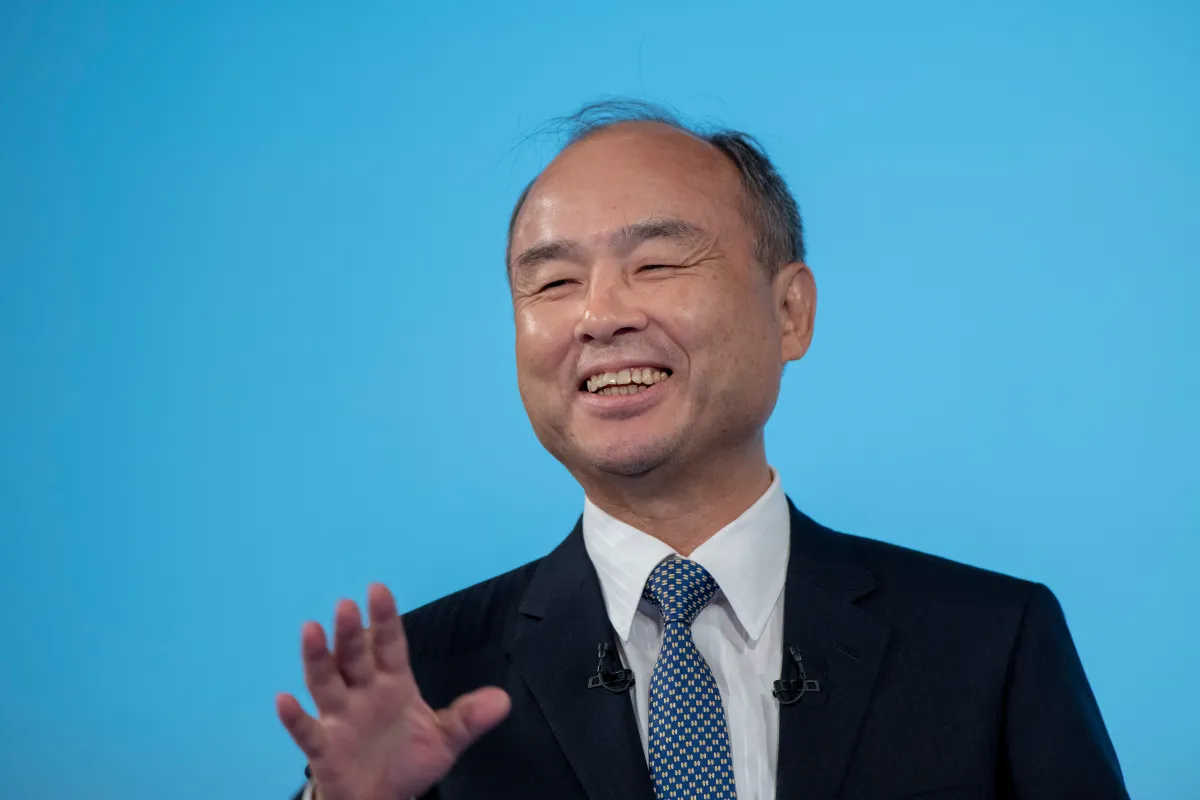
Masayoshi Son is a name that resonates deeply within the investment world, particularly for those who appreciate bold moves and daring strategies. As the founder of SoftBank, Son’s career has been filled with eye-popping decisions that have often left the business community in awe. Recently, he made headlines again by cashing out his substantial $5.8 billion stake in Nvidia to go all in on artificial intelligence. This audacious move might have shocked some, but for those familiar with Son’s history, it feels almost expected—after all, his financial gambles often redefine the landscape.
A History of High Stakes
In the late 1990s, during the dot-com bubble, Son reached the pinnacle of his wealth, with his net worth soaring to approximately $78 billion. He briefly held the title of the richest person in the world—a high point that quickly turned into a low. The dot-com crash saw him face staggering losses: an astronomical $70 billion, which at the time marked the largest financial loss ever recorded by a single individual. SoftBank plummeted, its market value sinking from $180 billion to just $2.5 billion.
Yet, within this nadir, Son made a legendary decision that would shape his future. He invested $20 million in Alibaba in 2000 after a fateful six-minute meeting with its founder, Jack Ma. This investment blossomed spectacularly, reaching a valuation of $150 billion by 2020, emblematic of Son’s capability to rebound from adversity and solidifying his status as a key figure in the venture capital world.
Strategic Moves and Missteps
Son’s trajectory has not been without its bumps. The success with Alibaba often overshadows moments when his instincts faltered. When he sought $45 billion from Saudi Arabia’s Public Investment Fund for his first Vision Fund in 2017, it was a controversial decision. Despite the growing backlash from Silicon Valley regarding Saudi investments, Son remained steadfast, asserting that he couldn’t abandon the Saudi people following the tragic murder of journalist Jamal Khashoggi.
While his commitment to expanding the Vision Fund yielded potential, not all bets paid off. Son’s substantial investment in Uber led to persistent paper losses, and his fiery enthusiasm for WeWork proved detrimental. Ignoring reservations from his team, he bestowed a staggering $47 billion valuation on the co-working startup in early 2019. However, WeWork’s attempt to launch an IPO backfired spectacularly, resulting in a series of significant losses for SoftBank—totaling $13.7 billion, which Son later described as “a stain on my life.”
A Renewed Focus on AI
Now, Son is on the brink of another ambitious chapter. His recent decision to sell all 32.1 million Nvidia shares is monumental—not as a way to diversify, but to pivot towards his unwavering focus on AI. This includes a planned $30 billion investment in OpenAI and an eager interest in participating in a $1 trillion AI manufacturing hub in Arizona.
The timing of this strategic exit from Nvidia is intriguing. Selling at about $181.58 per share, SoftBank’s decision came just 14% below Nvidia’s recent peak, signaling a well-timed move that still carries a hint of regret, especially considering the previous costly exit in 2019, where shares that could now be valued over $150 billion were sold for considerably less.
Market Reaction and Future Implications
Unsurprisingly, this decision sent ripples through the market, leading Nvidia shares to dip nearly 3% following the announcement. However, analysts believe this sale should not be interpreted as a downturn in Son’s faith in Nvidia but rather a clear signal of SoftBank’s commitment to its ambitious AI strategy.
Many on Wall Street are left questioning: Does Son possess insights that the rest of the market overlooks? Given his history of both spectacular successes and notable failures, it’s challenging to predict with certainty. But one thing is clear—Masayoshi Son continues to take bold steps in a rapidly changing landscape, and investors are left to discern whether this latest move will lead to triumph or turmoil.
As we watch this story unfold, it’s a reminder of the exhilarating, and at times precarious, nature of innovation and investment. Join the conversation and share your thoughts—what’s your take on Son’s audacious gamble in the world of AI? Your insights could be just the spark for a meaningful dialogue.