Scaling AI: A People-First Challenge with Lenovo’s Rick Kreuser
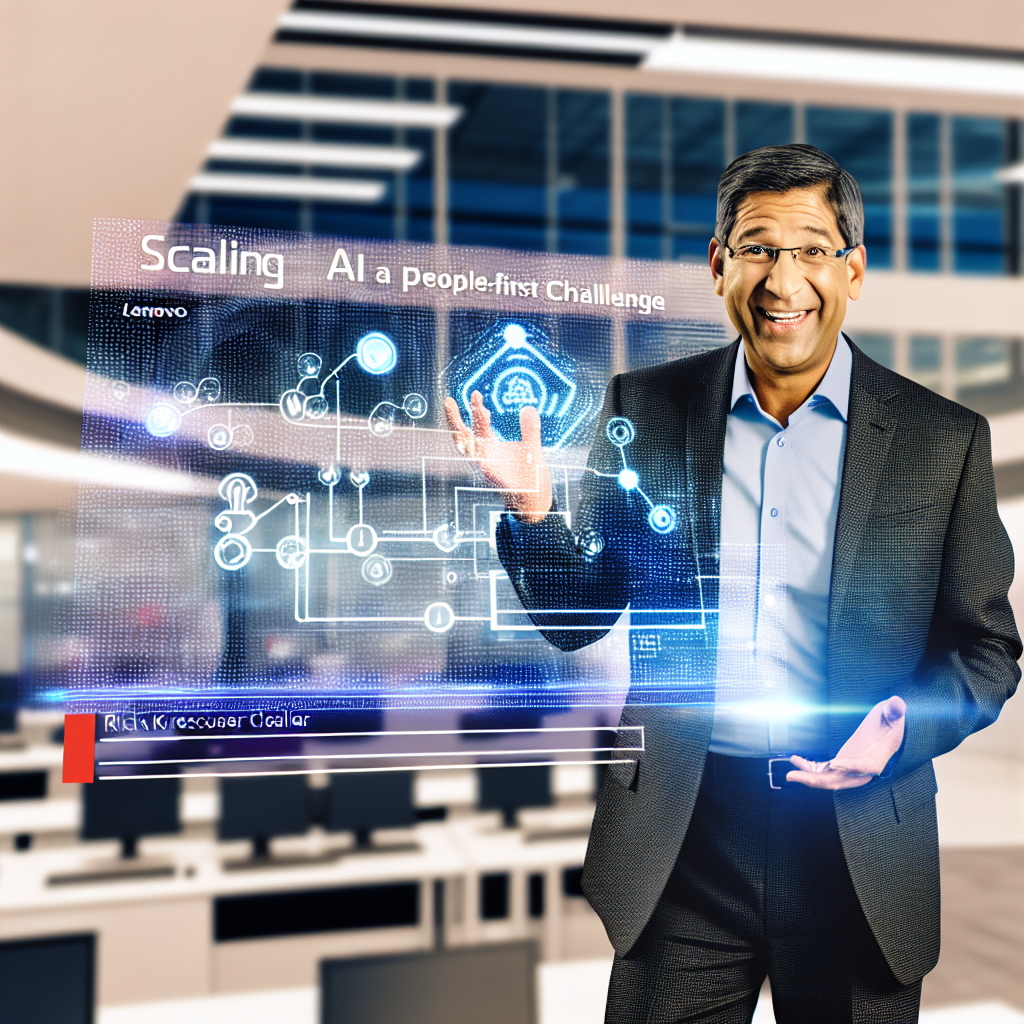
AI Scaling: A People-First Challenge
Artificial intelligence (AI) is reshaping industries, but many still view its implementation as purely technical. Understanding that scaling AI is as much about people as it is about technology can be a game-changer for organizations. In this blog post, we delve into the importance of a people-first approach when scaling AI, ensuring you harness its potential effectively.
The Misconception of AI Implementation
Many believe that the challenges in scaling AI stem solely from technical hurdles like model selection or cost efficiency. While these aspects are important, they often overshadow what truly matters: the people involved. Successfully implementing AI requires understanding how it will affect your workforce, your clients, and the overall corporate culture.
Prioritizing Outcomes Over Experiments
One of the most significant lessons learned in AI deployment is the necessity of starting with a clear outcome in mind. Organizations often get lost in the technology or hypothetical use cases, forgetting to focus on the actual business objectives they aim to achieve. By defining clear business outcomes before diving into experiments, companies can align their AI efforts with strategic goals.
Embracing Change: A Cultural Shift
Transitioning to AI is not just a technical upgrade; it’s a cultural shift. Employees at all levels must be engaged in the process to ensure effective adoption. Simply upgrading tools without explaining their value can lead to skepticism and resistance. Promoting transparency and trust is crucial to fostering a culture that embraces AI and its capabilities.
The Role of Leadership
Effective leadership is pivotal in guiding organizations through AI transformation. Leaders must align their vision with a strategy that emphasizes the human element. By focusing on how AI impacts jobs and workflows, leaders can preemptively address concerns and foster a more collaborative environment.
Transparent Communication and Continuous Dialogue
Engaging in ongoing dialogue about AI’s implementation is essential for addressing fears and hesitations among employees. Companies should not only provide information about what AI can do, but also encourage feedback about its integration into daily operations. Transparency fosters a supportive atmosphere that can alleviate worries and promote adoption.
Responsible AI: A Foundation for Trust
As organizations scale their AI initiatives, prioritizing responsible AI practices is essential. Establishing clear policies, governance, and interpretation standards ensures that AI implementation aligns with ethical considerations. Responsible AI not only builds trust but also enhances scalability, as stakeholders feel more secure in the technology.
Preparing for the Future of AI
With the rapid evolution of AI, organizations need to stay ahead of the curve. Acknowledging that AI will continue to change the nature of work is crucial. Creating a flexible strategy that allows for adjustments as AI capabilities develop will enable organizations to effectively harness the power of AI.
Conclusion: The Call for a People-Centric Approach
To truly unlock the potential of AI, companies must recognize that scaling it is more about the people involved than the technology itself. Fostering a culture of transparency, trust, and continuous dialogue will pave the way for successful AI integration.
If you found this insight valuable, consider sharing it with colleagues or friends. For further resources on navigating the complexities of AI, explore AI Explorations and Responsible AI Guidelines.