Samsung’s Vision: Integrating AI into Every Device in Your Home
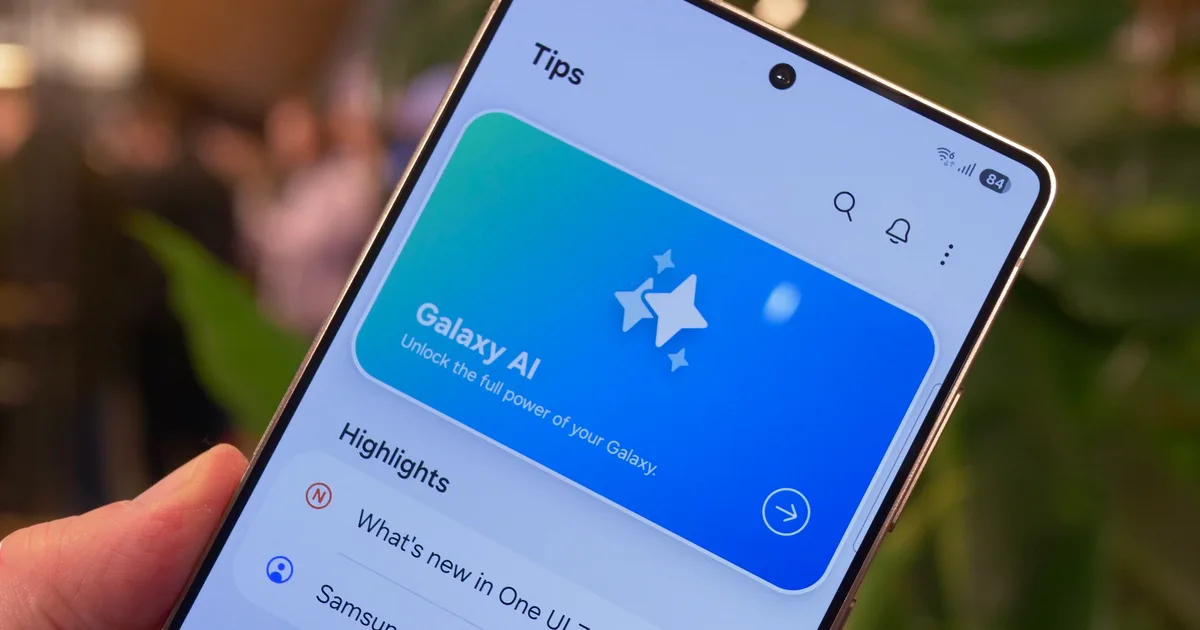
Samsung is making bold moves in the world of artificial intelligence, positioning itself to redefine the smartphone landscape. With a vision to increase the number of Galaxy AI-enabled devices to an impressive 800 million by 2026, Samsung’s new co-CEO, TM Roh, is not just aiming for numbers but striving to reclaim its dominance in the global market. As the competitive tech terrain intensifies, this integration of AI symbolizes a strategic alliance with Google amid growing rivalries.
In a recent interview with Reuters, Roh expressed Samsung’s ambition to integrate AI into "every product and every service." The company has already achieved notable success, incorporating Galaxy AI into approximately 400 million devices last year. By targeting 800 million, they are creating a global platform that brings Google’s cutting-edge Gemini models directly to consumers’ hands.
Understanding Galaxy AI
Galaxy AI encompasses a variety of innovative tools designed to enhance user experience—think photo editing, real-time translation of calls, and summarization of lengthy documents. Impressively, awareness of these features has surged from 30% to 80% in just one year. It’s clear that consumers are not merely hearing about AI; they are actively engaging with it in their everyday lives.
Competitive Pressures and Market Dynamics
Samsung faces significant competition from Apple, which is close on its heels, vying for the title of the world’s leading smartphone manufacturer. Additionally, Chinese brands are saturating the market with high-performance smartphones at appealing price points. In response, Samsung’s deep dive into AI aims to create unique offerings that competitors can’t easily replicate.
Unsplash
This strategy positions Samsung as a pivotal player in the ongoing battle between Google and OpenAI. As a major force in the Android ecosystem, Samsung’s extensive reach provides Google with a significant distribution edge. It’s no surprise that OpenAI reacted critically to the launch of Google’s Gemini 3, recognizing Samsung’s ambitious plans as a game-changer.
Navigating Challenges Ahead
However, Samsung’s journey isn’t entirely smooth. The ongoing global memory chip shortage poses challenges for their semiconductor division, which, while profiting, also drives up production costs for smartphones. Roh acknowledged that price increases might be inevitable, but the company is actively exploring ways to mitigate these impacts on consumers.
Nirave Gondhia / Digital Trends
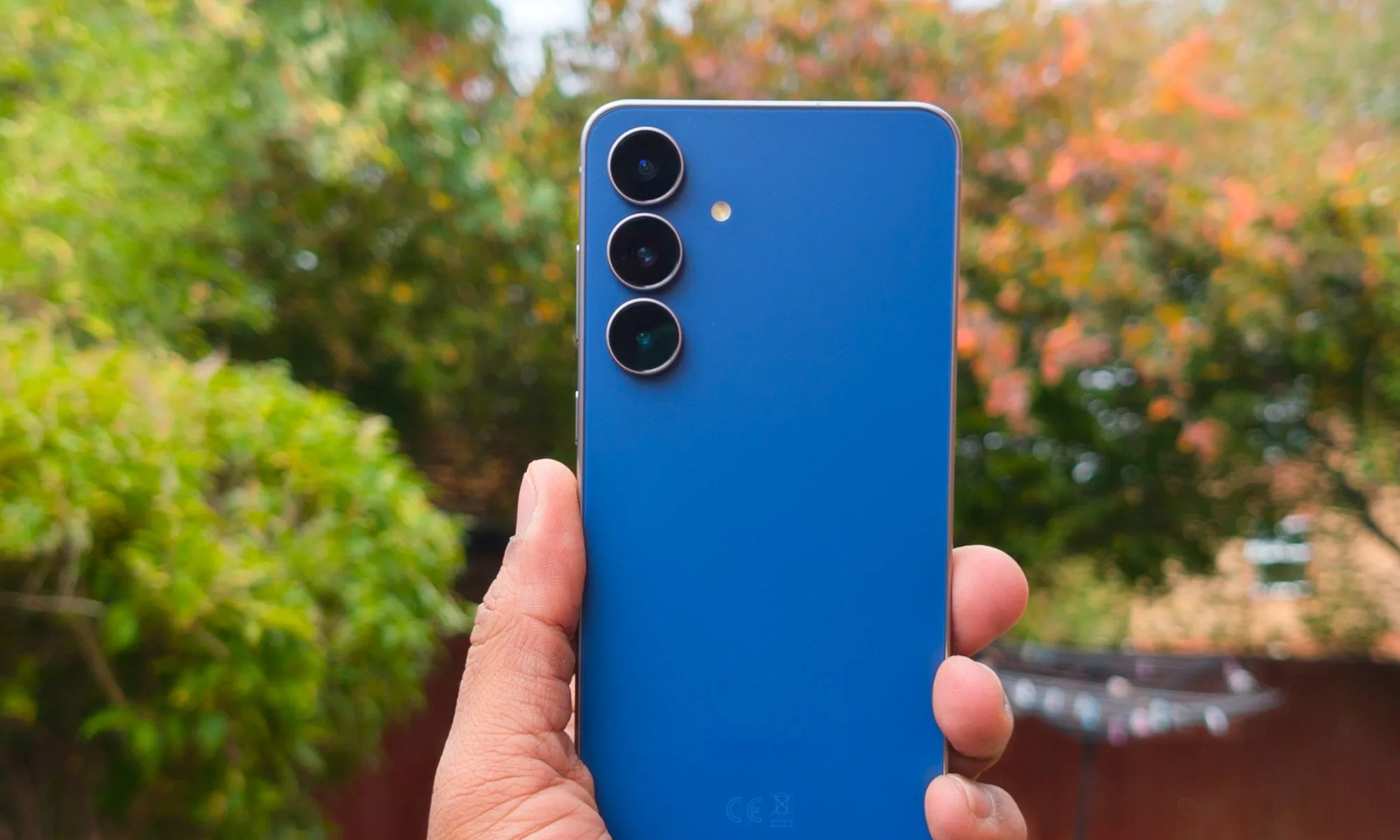
Looking to the future, Samsung hopes that its AI initiatives, intertwined with advancements in foldable phone technology, will keep customers loyal amidst fierce competition. Although the foldable market has been a "slow burn," Roh pointed out that once customers make the switch, they seldom revert to traditional flat screens. The ultimate goal for Samsung is clear: to ensure that a Galaxy phone becomes the indispensable gateway to the future of the internet.
In this rapidly evolving landscape, Samsung’s commitment to AI innovation could very well define the next chapter of mobile technology. As a consumer, your experience is about to transform. Stay tuned and embrace the future with open arms—your next Galaxy adventure awaits!