Revealing OpenAI’s Groundbreaking Research on Human-ChatGPT Conversations
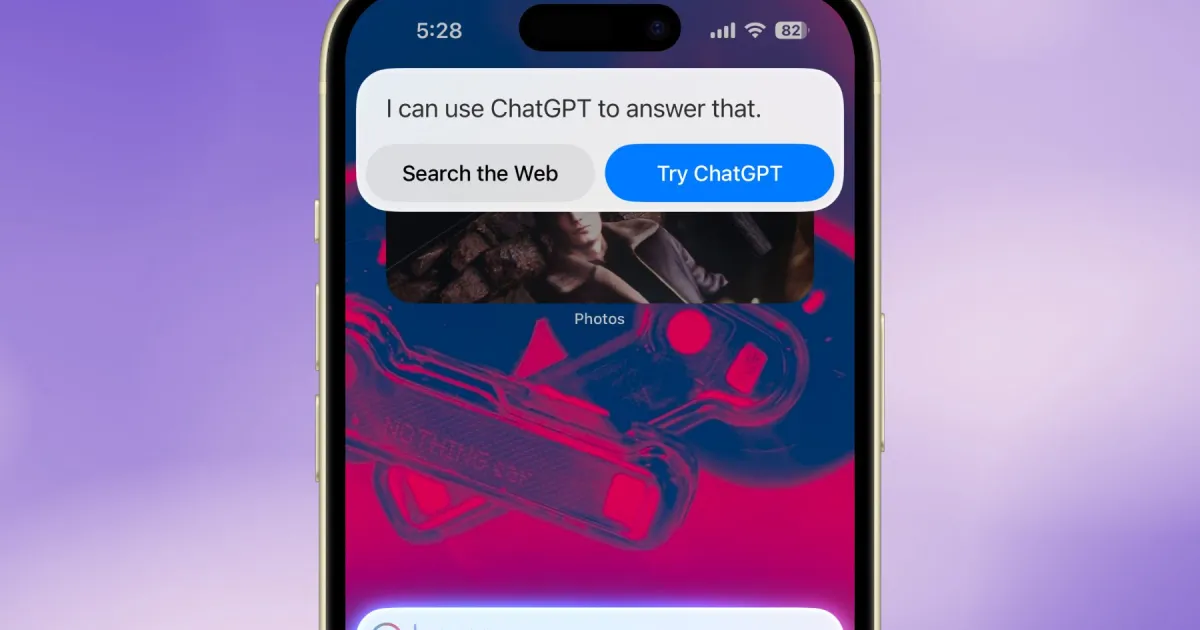
OpenAI has recently unveiled an intriguing analysis that delves into how people engage with ChatGPT. The findings, based on a meticulous study involving over 1.5 million conversations, reveal fascinating trends and statistics about this groundbreaking AI chatbot. As more users turn to technology for support in their daily lives, it’s worth exploring the dynamics of these interactions.
The Who, Why, and How Much?
By July 2025, ChatGPT boasted an impressive 700 million users, collectively generating 18 billion messages each week—an astonishing 2.5 billion messages daily. What’s particularly noteworthy is that a significant portion of these interactions is centered around work-related assistance.
- Writing is the most prevalent use, making up 42% of all work-related messages. This figure rises to over half among management and business professionals.
- The gender demographics have shifted; more than half of users now identify with female names. Plus, almost half of all ChatGPT users are under the age of 26.
- Users primarily engage in seeking Practical Guidance, writing assistance, and information, with nearly 78% of exchanges falling into these categories.
A Few Surprises
While the tech community often speculates about job displacement due to AI, particularly among programmers, the data tells a different story. Conversations focusing on computer programming and coding accounted for only 4.2% of the analyzed chats.
Photo by Matheus Bertelli / Pexels
Another surprising revelation emerged regarding emotional exchanges. Despite the buzz around users forming deep connections with AI, conversations expressing personal thoughts or reflections comprised only 1.9% of the evaluated dialogues. Even more astonishing is that just 1% of users engaged ChatGPT to share their feelings—a stark contrast to the stories depicting romantic or emotional interactions with similar AI platforms like Nomi or Replika.
In light of recent discussions surrounding potential negative impacts of AI, including safety concerns, OpenAI has responded by implementing parental controls and warning systems for guardians.
As we navigate this evolving landscape, it’s essential to consider how we use these advanced tools. The data reveals that while users are inclined to seek help for writing and practical tasks, the emotional bond many expect from AI remains largely unfulfilled.
Your Turn
It’s fascinating to see how technology influences our daily lives. Are you utilizing tools like ChatGPT for assistance or inspiration? If so, we’d love to hear about your experiences and thoughts on how AI might evolve in meaningful ways. Join the conversation and share your insights!