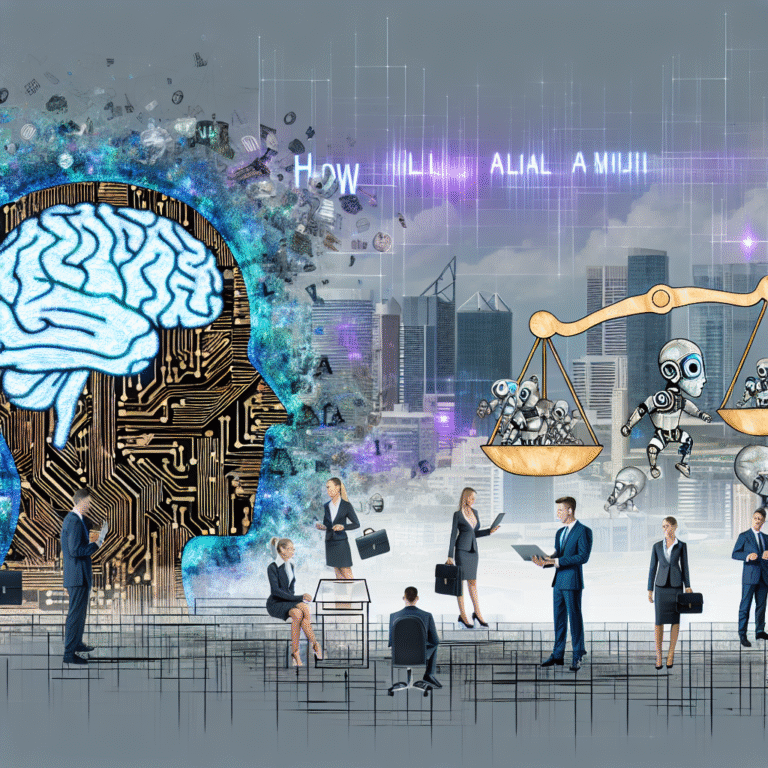
Preparing Children for an AI-Driven Future

Navigating the AI Landscape for Our Children
As we delve into the ever-evolving world of generative AI, it’s crucial to consider its implications on our younger generations. With AI shaping many aspects of our lives, understanding how to prepare our children for an AI-centric future is essential. This discussion goes beyond mere curiosity; it’s about laying the groundwork for their success.
Understanding AI’s Impact on Education
Generative AI is transforming not just the workplace but also the educational landscape. Today’s students will enter a job market that demands AI competency, yet many educational systems are struggling to keep pace. The challenge lies in bridging the gap between traditional teaching methods and innovative technologies.
Many current educational practices focus heavily on rote learning rather than critical thinking or collaboration with AI tools. This outdated approach risks leaving students unprepared for a workforce that increasingly relies on technological fluency. Parents need to advocate for curricula that incorporate AI education, encouraging schools to provide opportunities for hands-on learning with these technologies.
The Role of Parents in AI Education
Parents play a pivotal role in preparing their children for an AI-driven world. Here are some actionable ways to engage with your children about AI:
-
Monitor Use: It’s important to keep an eye on how your children are using AI technologies. Many apps, including popular social platforms, now integrate AI, which can be both beneficial and detrimental.
-
Collaborative Learning: Work together with your children on AI tools. For instance, use AI to help them with homework or projects. By doing this, you’re not just guiding them; you’re also learning alongside them, building a crucial dialogue about the ethical use and practicality of AI.
- Open Conversations: Encourage discussions about what they encounter with AI in school and life. Understanding their perspective can help address concerns and misconceptions, fostering a healthier relationship with technology.
Addressing Concerns and Fears
Despite the benefits, there are understandably concerns around AI’s role in education. Many schools have adopted a reactive stance, banning AI tools due to fear of misuse, such as cheating. However, simply restricting these technologies may hinder more than help.
Educators and parents alike need to work towards shifting the narrative from prohibition to understanding. AI should be seen as a collaborative tool rather than a replacement for traditional learning, enabling students to develop critical skills that are essential in today’s economy.
The Future of Education
As emerging alternatives to traditional schooling gain traction, the landscape of education is rapidly changing. Online schools and innovative educational models are offering more options for families dissatisfied with the conventional system. This decentralization of education may lead to healthier competition, ultimately benefiting students.
The success of your child in the rapidly evolving job market hinges on their preparedness and adaptability. As we stand at the crossroads of technology and education, it’s imperative to equip our children with the tools they need to navigate this new world confidently.
In conclusion, while the journey toward integrating AI into education is fraught with challenges, it also opens doors to exciting possibilities. By actively engaging in this process, parents can help shape a generation that not only adapts to change but thrives in it.
For more insights on navigating the complexities of AI and education, consider exploring resources from credible educational platforms like Edutopia and The International Society for Technology in Education.