OpenAI’s Sora App Faces Challenges After a Successful Debut: What You Need to Know
After its remarkable debut, OpenAI’s Sora video-generation app quickly climbed to the top of the App Store, captivating a sophisticated and beauty-conscious audience. However, recent data suggests this initial excitement is dwindling. As the early buzz fades, both downloads and consumer spending are witnessing a notable decline, prompting curiosity about the app’s future.
Sora’s Surge: A Rapid Rise
Launched with the powerful Sora 2 model, the iOS version hit over 100,000 downloads on its first day, despite being an invite-only platform. This impressive start propelled Sora to the coveted No. 1 spot on the U.S. App Store, with 1 million downloads faster than even ChatGPT.
Despite this initial stratospheric success, it seems that Sora’s appeal is waning.
Declining Downloads and Engagement
Data from Appfigures reveals a steep drop in Sora’s performance. The app experienced a 32% decline in downloads month-over-month by December, a concerning trend, especially during the holiday season when new devices are gifted, and users tend to explore new apps. This downturn continued into January 2026, with another 45% drop, bringing total installations to 1.2 million. Consumer spending mirrored this decline, decreasing 32% in the same period.
Unique Features and Wide Reach
Sora stands out in a crowded marketplace by allowing users to create personalized AI videos with unique prompts. Users can cast themselves or friends in these creations, which can even include music and dialogue. To date, Sora has accumulated 9.6 million downloads across iOS and Android, generating $1.4 million in consumer spending, with the U.S. accounting for the bulk of this revenue.
Competitive Landscape
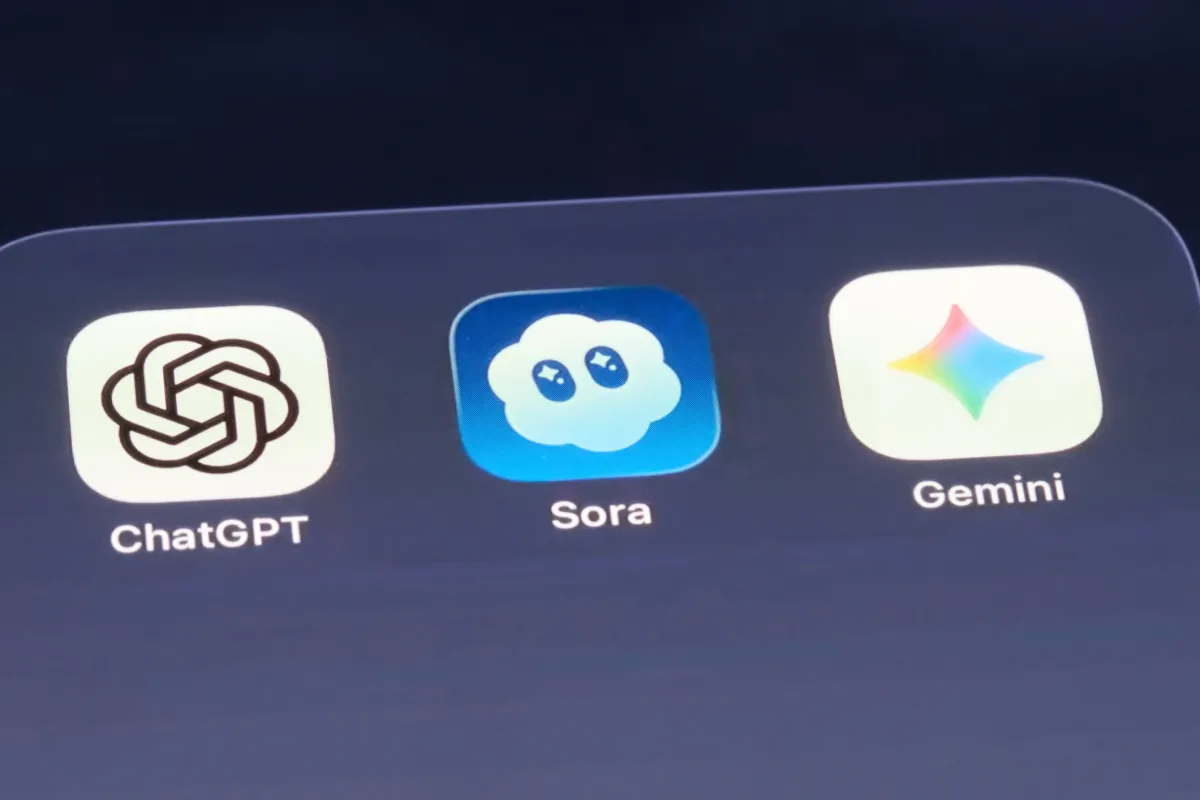
While Sora initially enjoyed a substantial user base, competition is intensifying. The arrival of Google’s Gemini and Meta’s AI-powered Vibes video feed has created a challenging environment. Users face a plethora of options for creating engaging videos, contributing to Sora’s declining popularity.
Additionally, OpenAI’s struggle to manage copyright issues has raised eyebrows. Initially, the app’s approach allowed widespread use of popular intellectual property, which contributed to its rise but later led to backlash from studios. In response, OpenAI shifted to an opt-in model for copyright, tightening restrictions that may have stifled creativity among users.
New Partnerships and Future Prospects
Last month, OpenAI announced a collaboration with Disney, enabling users to create content featuring beloved characters. However, this partnership hasn’t yet resulted in renewed interest or increased installs. Concerns remain about the appropriateness of content being generated, creating complications for brand collaboration.
With the initial buzz fading, many users are reconsidering their engagement with Sora. The concept of sharing one’s likeness for AI-generated videos hasn’t gained universal appeal, leading to a decline in user interest.
Conclusion: What Comes Next?
Though Sora isn’t "dead" yet, the worrying trend in downloads and spending suggests that it faces an uphill battle. Its initial hype promised a disruption akin to TikTok, yet the reality is proving to be more complex.
The next steps for Sora could involve further partnerships, fresh features, or enhanced community engagement to rekindle interest. As the landscape evolves, only time will tell if Sora can regain its footing and flourish once more.
If you’re passionate about innovative technologies and want to stay ahead of the curve, explore the potential of AI-driven platforms like Sora. You never know, the next wave of social interaction could be just a video away!