Nvidia Aims to Revolutionize Generalist Robotics like Android Did for Smartphones
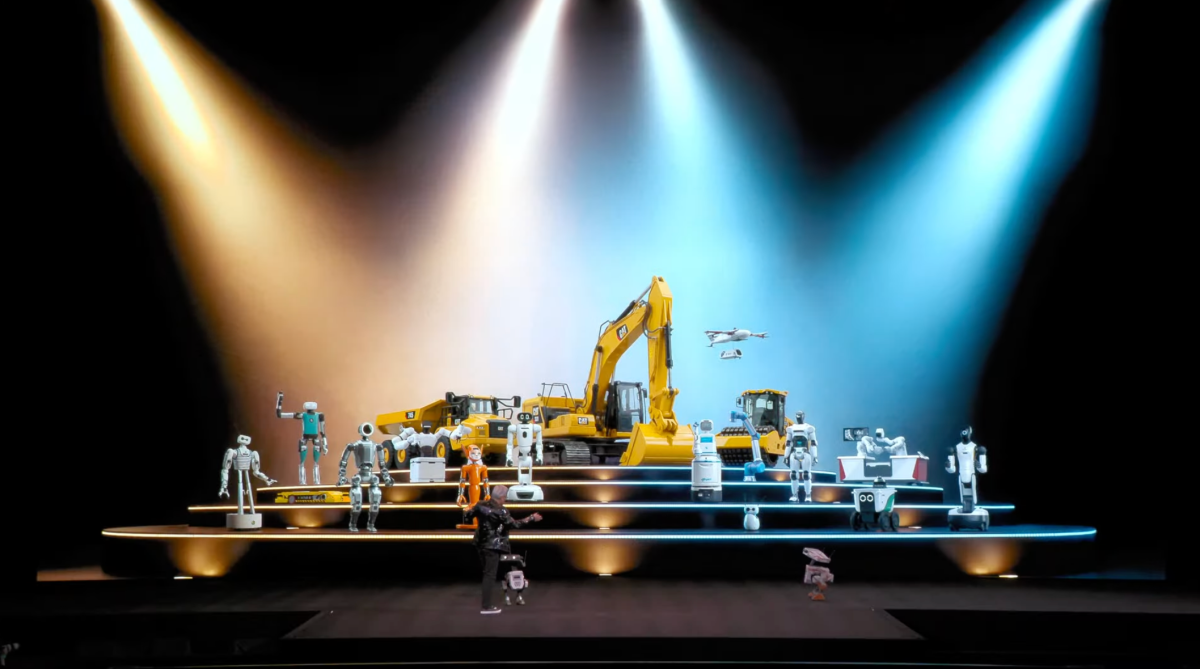
Nvidia is making waves in the world of robotics, and their latest unveiling at CES 2026 signals a monumental shift in the industry. With a suite of innovative robot foundation models, cutting-edge simulation tools, and advanced edge hardware, Nvidia is setting the stage to dominate the robotics landscape—much like Android revolutionized the smartphone operating system. This transformative approach aims to elevate machines from mere tools to intelligent entities that can think and learn in real-world environments.
Nvidia’s Vision for Robotics
Nvidia’s foray into robotics is a testament to the broader industry transition as artificial intelligence moves from the cloud to tangible machines. This leap is facilitated by affordable sensors, sophisticated simulations, and AI models that excel across multiple tasks.
The Comprehensive AI Ecosystem
During their CES presentation, Nvidia introduced a full stack ecosystem specifically designed for physical AI. This includes new open foundation models that empower robots to reason, plan, and adapt to various tasks within diverse environments. Notably, these models are available on Hugging Face, a popular platform for AI and machine learning.
Key highlights of these models include:
- Cosmos Transfer 2.5 and Cosmos Predict 2.5: Two innovative world models dedicated to synthetic data generation and robot policy assessment in simulated environments.
- Cosmos Reason 2: A visionary language model enabling AI systems to perceive, comprehend, and interact in the physical world.
- Isaac GR00T N1.6: A next-generation model crafted for humanoid robots, leveraging Cosmos Reason to enhance their movement and object handling capabilities.
Introducing Isaac Lab-Arena
Another groundbreaking development showcased at CES is the Isaac Lab-Arena, an open-source simulation framework hosted on GitHub. Designed to facilitate the safe and effective virtual testing of robotic skills, this tool is vital in addressing a persistent challenge in robotics: validating complex tasks.
As robots tackle more intricate responsibilities, the need for reliable validation becomes paramount. The Isaac Lab-Arena consolidates resources, training tools, and benchmarks like Libero, RoboCasa, and RoboTwin, fostering a unified standard for an industry that previously lacked coherence.
Strengthening the Ecosystem
An essential component of this ecosystem is Nvidia OSMO, an open-source command center that intricately links the workflow from data generation to training, seamlessly bridging desktop and cloud environments.
Additionally, to ensure robust performance, Nvidia has introduced the Blackwell-powered Jetson T4000 graphics card. This powerful device boasts 1200 teraflops of AI compute power and 64 gigabytes of memory, all while consuming a mere 40 to 70 watts of energy.
Collaborating for Greater Access
Nvidia is intensifying its partnership with Hugging Face, enabling more developers to explore robotic training without the burden of costly hardware or specialized expertise. By integrating Nvidia’s technologies with Hugging Face’s LeRobot framework, they connect 2 million robotics developers with 13 million AI builders.
The open-source Reachy 2 humanoid robot now directly interacts with Nvidia’s Jetson Thor chip, allowing developers greater flexibility in experimenting with different AI models without the constraints of proprietary systems.
A Bright Future for Robotics
Nvidia’s strategy is clearly resonating. Robotics is rapidly emerging as the fastest-growing category on Hugging Face, outperforming other fields in downloads. Renowned companies such as Boston Dynamics, Caterpillar, Franka Robots, and NEURA Robotics are already leveraging Nvidia’s advanced technologies.
This forward-thinking approach not only makes robotics development more accessible but also positions Nvidia as the default hardware and software vendor in this burgeoning field, similar to the role Android plays in the smartphone market.
Final Thoughts
Nvidia’s commitment to integrating AI within the physical realm marks a pivotal moment in robotics. As they innovate and expand their offerings, the potential for groundbreaking advancements in how robots function and interact with the world is immense.
Are you ready to explore the future of robotics? Dive into the possibilities and let your creative ideas take flight in this exciting new landscape. Join us in embracing innovation!