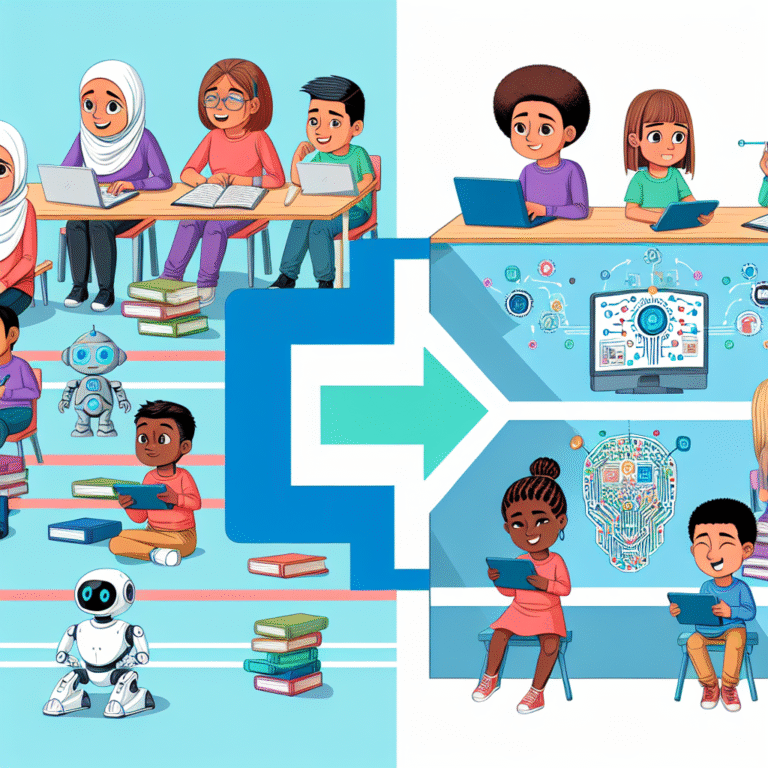
Navigating Generative AI Changes in Work & Industry

The Transformative Power of Generative AI in the Workforce
As we navigate an era where generative AI is reshaping our jobs and daily lives, understanding its implications for the workforce is essential. This technology is not only revolutionizing how we work but also how we perceive the intersection of human and machine collaboration.
The Quickening Change
The definition of jobs and the methods we employ in the workplace are undergoing rapid transformation, arguably at a pace unmatched by previous technological innovations. Generative AI is leading this charge, influencing sectors from architecture to engineering and beyond.
The Rise of AI in Business
More than just a theoretical concept, AI is being integrated into the daily operations of businesses across industries. For instance, major tech firms are investing billions to harness AI’s potential, demonstrating that those who adopt this technology early can position themselves as leaders in their fields.
Case Study: Infrastructure Innovations
In the architecture, engineering, and construction (AEC) industries, generative AI is already making its mark. For example, firms are now employing large language models to automate complex tasks, like cross-referencing regulatory documents, achieving an impressive 95% accuracy. This not only accelerates workflows but also significantly reduces manual effort.
Embracing Change: Shifting Roles and Responsibilities
With AI systems assisting in tasks traditionally performed by humans, it’s crucial to rethink roles within companies. Today’s workers must adapt to new tools and leverage AI to enhance productivity rather than compete against it.
The Importance of Data Management
Data strategy is becoming the cornerstone of effective AI application. Companies that prioritize data governance and transparency are more likely to thrive in this evolving landscape. Effective data management not only mitigates risks but also enables organizations to harness insights that drive innovation.
The Ethics of AI: Navigating Challenges
While the benefits of generative AI are ample, it’s crucial to address its potential downsides, such as biases and misinformation. Companies must implement rigorous checks to ensure AI output aligns with ethical standards to avoid negative repercussions in their operations.
A Call to Action: Staying Engaged
It’s essential for individuals across all sectors to engage with this technology actively. Experimentation is key. By familiarizing themselves with AI tools, like ChatGPT, professionals can better understand how to utilize AI effectively in their own workflows.
Conclusion: The Path to Innovation
As we forge ahead, the quest for machine-enabled intelligence continues to evolve at a breathtaking speed. The mantra is clear: "Empower Innovation through AI." By embracing change and integrating AI into everyday operations, businesses can not only survive but thrive in this digitally accelerated world.
For those looking to explore further insights on the impact of AI, consider visiting MIT Technology Review and Harvard Business Review for credible articles on the subject.
If you found this post enlightening, share your thoughts in the comments below and don’t hesitate to explore more insights on the transformative power of AI.