Microsoft’s Ambitious AI Vision: Developing a ‘Humanist Superintelligence’ for the Future
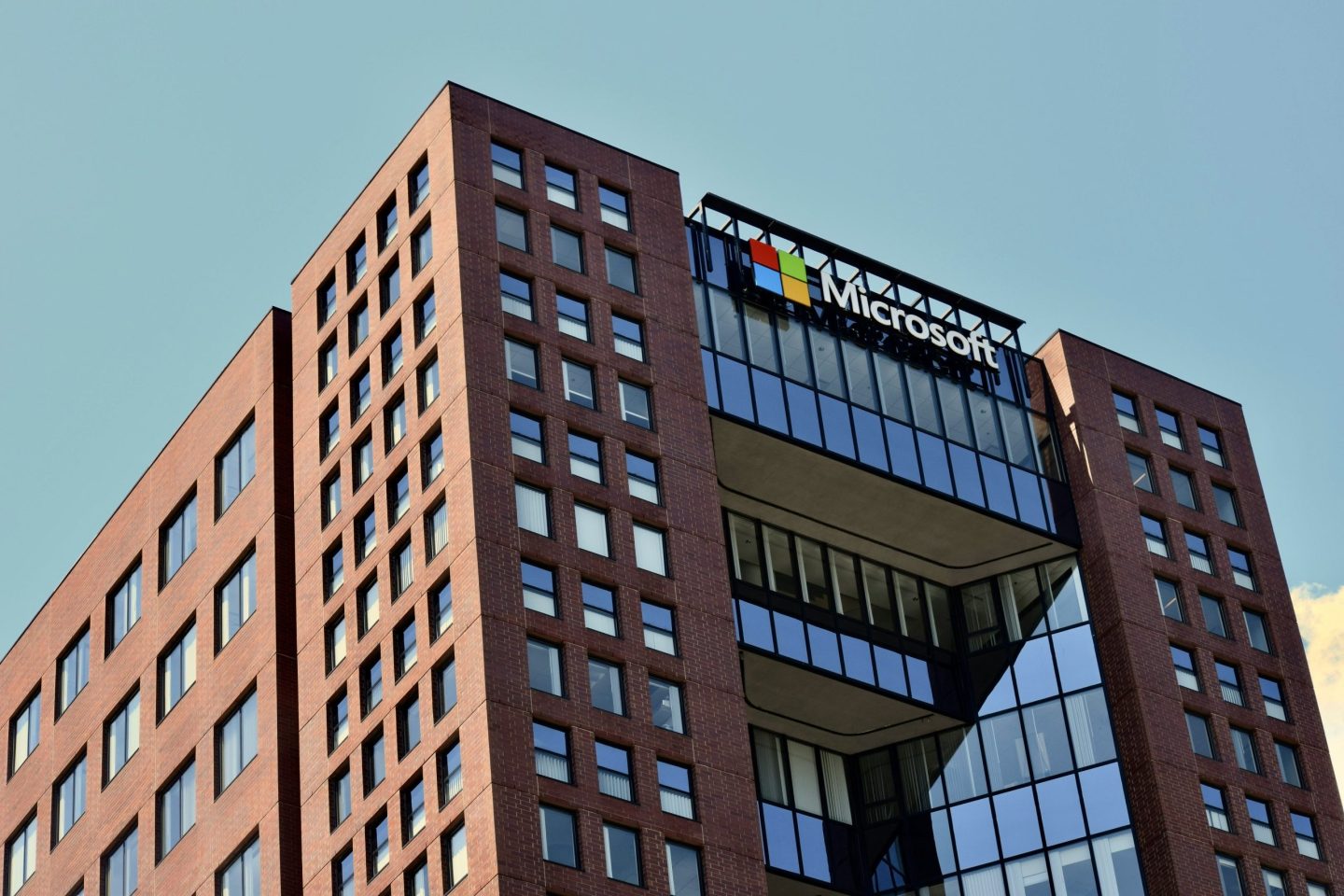
Microsoft has embarked on an exciting journey, creating a groundbreaking team dedicated to researching superintelligence and other advanced forms of artificial intelligence. Under the leadership of Mustafa Suleyman, who oversees Microsoft’s AI division for Bing and Copilot, this initiative promises to merge technology with a commitment to serving humanity. In a recent blog post, Suleyman expressed the company’s ambitious plans, stating they will invest significantly in this venture. Their goal? To tackle real-world problems while ensuring that the technology remains controllable and beneficial.
A Vision Rooted in Humanism
In a landscape where tech giants are fiercely vying for top AI talent, Microsoft is stepping forward with its new MAI Superintelligence Team. Meta, the parent company of Facebook, has already established its own Meta Superintelligence Labs and invested billions in recruiting experts, with some signing bonuses reaching up to $100 million. While Suleyman didn’t disclose plans to match such offers, he indicated that the new team will combine existing talent with fresh hires, including Karen Simonyan as the chief scientist.
Suleyman’s impressive background adds weight to this initiative. Before his tenure at Microsoft, he co-founded DeepMind, acquired by Google in 2014, and led Inflection, an AI startup that Microsoft purchased along with several of its employees. This hiring surge reflects a significant trend in the industry; since the debut of OpenAI’s ChatGPT in 2022, companies have rushed to integrate generative AI into their offerings. Microsoft, for instance, leverages OpenAI’s models in its Bing and Copilot services, maintaining a collaborative relationship while holding a $135 billion stake in OpenAI after a recent restructuring.
Broadening AI Sources
Despite its partnership with OpenAI, Microsoft is committed to diversifying its AI resources as it lays the groundwork for future research in superintelligence. Following the acquisition of Inflection, the company began exploring models from other leading players, such as Google and Anthropic, which was founded by former OpenAI executives.
The new AI group aims to develop practical AI companions that enhance various aspects of life, particularly in education, healthcare, and renewable energy. Suleyman envisions these projects as transformative, expanding AI’s reach into vital sectors where it can make a real difference.
A Unique Approach to AI Development
What sets Microsoft apart from most AI competitors is its approach. Suleyman emphasized that the company doesn’t aspire to create an "infinitely capable generalist" AI. Instead, he advocates for what he calls “humanist superintelligence,” a form of AI explicitly designed to benefit humanity and meet specific needs. “Humanism requires us to always ask the question: does this technology serve human interests?” he remarked, reinforcing a thoughtful, conscientious direction.
The challenges surrounding AI often include bias and existential threats, but Suleyman insists that his team’s focus will be on creating specialized systems. These systems aim for “superhuman performance” without incurring substantial risks. Examples include AI designed to enhance battery storage solutions or discover new molecules, paralleling DeepMind’s AlphaFold project that predicts protein structures.
The Future of Healthcare AI
Suleyman has a keen interest in advancing AI applications in healthcare, projecting that AI capable of expert-level diagnosis could become a reality within the next few years. He envisions technology that can analyze complex medical issues and identify preventable diseases at an early stage. “We’ll have expert-level performance at the full range of diagnostics, alongside highly capable planning and prediction in operational clinical settings,” he noted.
As the industry grapples with the viability of massive AI investments, Suleyman reassured stakeholders about Microsoft’s cautious approach. “We are not building a superintelligence at any cost, with no limits,” he stressed, highlighting the company’s commitment to responsible innovation.
Embracing the future of AI is not just about technological advancement; it’s about creating solutions that enhance our lives and communities. As Microsoft forges ahead with this new alliance, their journey could redefine how we interact with technology, marking a pivotal moment in the evolution of artificial intelligence.
Are you ready to join the conversation about the future of AI? Let’s explore these advancements together and consider what they could mean for our world. Engage with us and share your thoughts on how technology can serve humanity’s best interests!