Microsoft CEO Satya Nadella Urges a Shift in Perception: Rethinking AI Beyond ‘Slop’
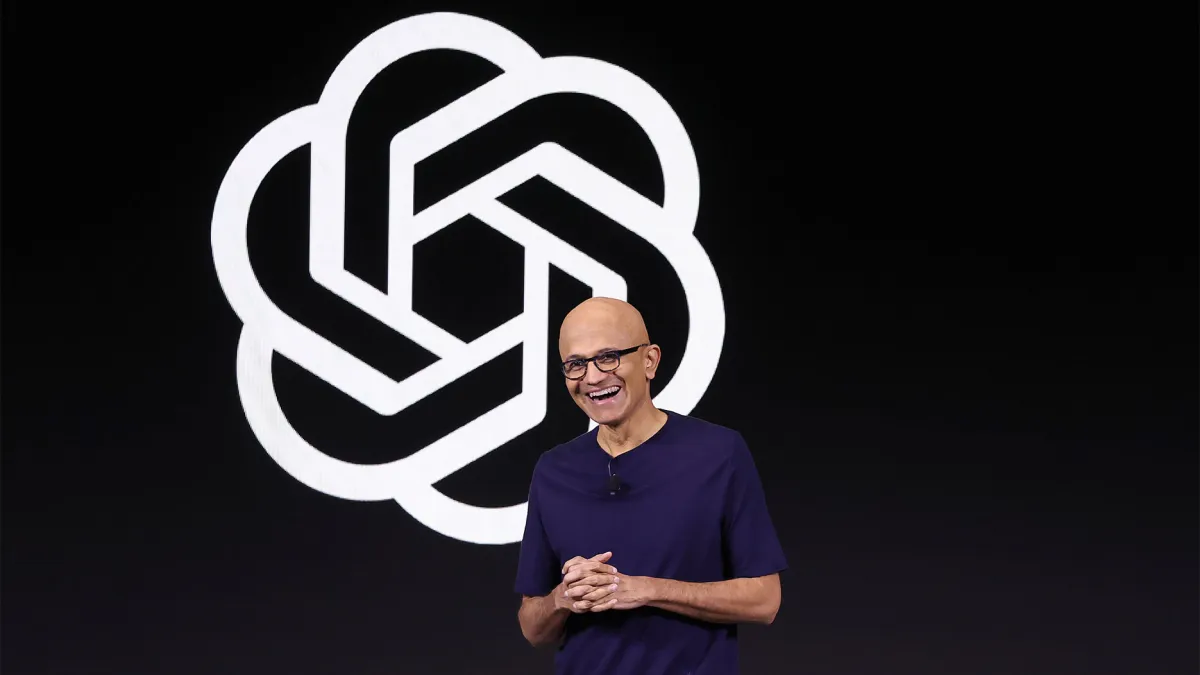
A couple of weeks after Merriam-Webster crowned “slop” as its word of the year, Microsoft CEO Satya Nadella shared his thoughts on the future of AI in 2026. With a blend of insight and optimism, Nadella took to his personal blog to inspire a shift in perspective, encouraging us to see AI not as a source of chaos, but as “bicycles for the mind.”
Embracing AI as a Cognitive Tool
Nadella urges us to change our narrative. Instead of viewing AI as a mere replacement for human effort, he suggests seeing it as a scaffold to enhance our potential. As he notes, it’s crucial to step beyond the skirmishes of "slop versus sophistication," focusing instead on how these cognitive tools can redefine our interactions and productivity.
However, the tech industry has largely leaned into a different narrative, sometimes framing AI as a cost-effective substitute for human workers. Many AI products are marketed with the promise of increased efficiency, often using the looming threat of job displacement as a justification for their expense.
The Reality of Job Displacement
Current discourse around AI isn’t without its alarms. High-profile figures in the AI sector have raised concerns about significant job loss. For instance, in May, Dario Amodei, CEO of Anthropic, warned that AI could potentially eliminate half of all entry-level white-collar jobs, driving unemployment rates to concerning levels over the next few years. His predictions draw attention to the urgent need for a balanced conversation about AI’s impact on the workforce.
Yet, is this doomsday scenario realistic? As Nadella implies, many AI tools today serve as aids rather than replacements. Workers are increasingly utilizing these tools to enhance their performance, provided they actively oversee the technology to ensure quality and accuracy.
Insights from Project Iceberg
Research efforts like MIT’s Project Iceberg are crucial for understanding AI’s economic implications. The project estimates that AI can currently perform about 11.7% of paid human labor. Importantly, this figure reflects the proportion of tasks that can be offloaded to AI rather than a direct claim of job replacement.
Here are some key points from the project:
- The focus is on tasks, not entire jobs.
- Examples include automating paperwork for nurses or supporting software coding.
- It reveals that the integration of AI into workflows can enhance productivity rather than diminish job opportunities.
Impacts on Various Professions
Despite some fears surrounding automation, the effects of AI vary widely across professions. Roles such as corporate graphic designers and marketing writers have felt the pressure from AI advancements, while entry-level positions in tech, especially for fresh graduates, have been significantly impacted. However, it’s essential to recognize that skilled creatives—writers, artists, programmers—often find that AI tools help them generate even better work.
As we approach 2026, intriguing data suggests that occupations most exposed to AI are actually thriving. According to Vanguard’s report, the 100 jobs most influenced by AI automation are showing impressive growth in employment and wages. This suggests that those adapting to and mastering AI tools are enhancing their value in the marketplace—an encouraging trend.
Rethinking AI’s Role in the Workplace
Interestingly, Microsoft’s actions last year contributed to the narrative of job displacement in the AI landscape. Even as the company achieved record revenues, it laid off over 15,000 employees, citing AI’s rise as a factor. Nadella emphasized the need for Microsoft to “reimagine our mission for a new era,” positioning AI transformation as a key business objective alongside security and product quality.
Despite the layoffs, it’s important to highlight that the reasons behind workforce reductions are often less exciting than headlines suggest. Companies typically pivot investments based on market dynamics rather than a straightforward correlation with AI efficiency.
The Bigger Picture of AI and Employment
Microsoft isn’t alone; 2025 saw nearly 55,000 layoffs across the U.S. tech sector linked to AI-driven initiatives. While the pursuit of innovation leads to sackings, it’s crucial to remember that the broader narrative is more complex.
Amidst discussions of “slop,” many of us might find humor in AI’s quirky offerings—memes, amusing short videos, and more. These aspects showcase AI’s potential not just for efficiency, but also for entertainment and engagement.
As we move forward, let’s embrace AI as a means of empowerment, enhancing our creative endeavors and productivity rather than fearing it as an adversary. Explore the possibilities ahead, and remember: in the hands of skilled individuals, AI is not here to replace us, but to amplify our capabilities.
Are you ready to harness the power of AI in your work and personal life? Let’s celebrate the journey together!