Meet the Innovator Behind Google’s Data Center Tech: Championing the Future of AI Competition
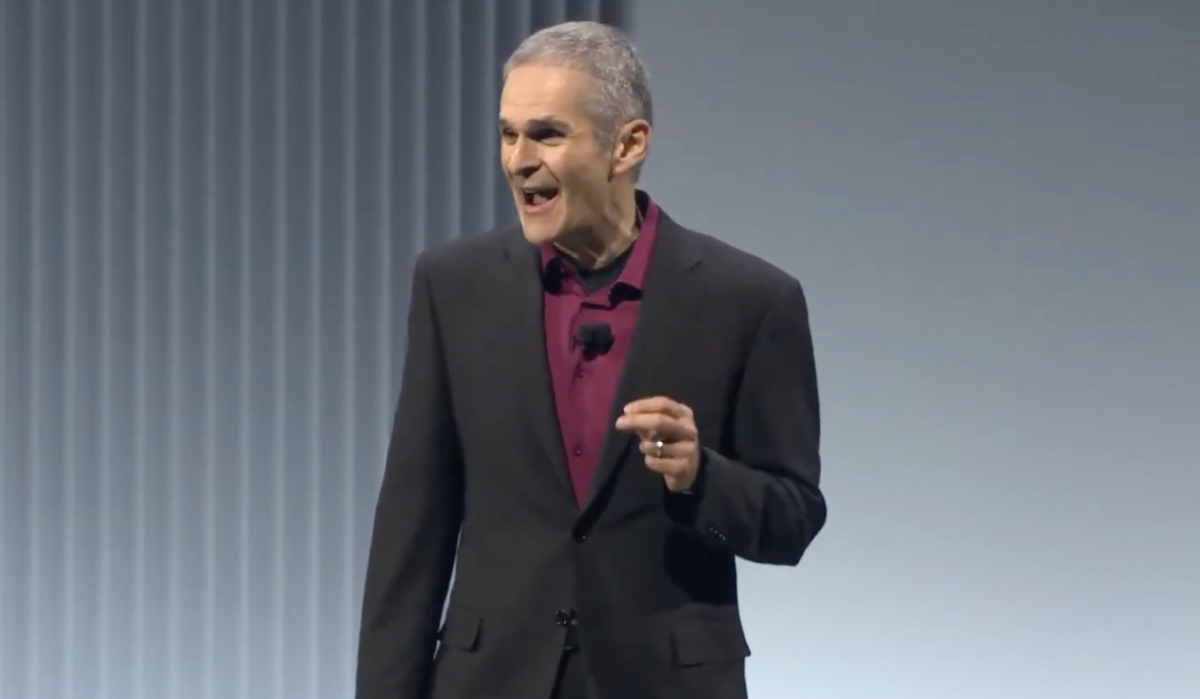
Google has made a striking move in the competitive landscape of AI infrastructure by appointing Amin Vahdat as the new Chief Technologist for AI Infrastructure. This freshly minted position reports directly to CEO Sundar Pichai, emphasizing just how vital AI advancements have become for the tech giant. According to a memo first reported by Semafor, Google plans to invest up to $93 billion into capital expenditures by the end of 2025, with expectations for this figure to swell even more in the coming year.
A Trusted Visionary
Amin Vahdat isn’t a newcomer to the field. This computer scientist, who earned his PhD from UC Berkeley, has been pivotal in shaping Google’s AI foundation for over 15 years. After beginning his career as a research intern at Xerox PARC in the early ’90s, Vahdat joined Google in 2010 as an engineering fellow and VP, having previously held academic positions at Duke University and UC San Diego. With around 395 published papers to his name, his research has primarily aimed at enhancing computing efficiency at enormous scales.
Recent Achievements
Just eight months ago, at Google Cloud Next, Vahdat showcased the company’s seventh-generation TPU, named Ironwood. As VP and GM of ML, Systems, and Cloud AI, he highlighted jaw-dropping capabilities: over 9,000 chips per pod delivering an astounding 42.5 exaflops of compute power—more than 24 times that of the world’s leading supercomputer at that time. “Demand for AI compute has surged by a factor of 100 million in just eight years,” he pointed out, capturing the dramatic evolution of AI technology.
Strategic Contributions
Behind the scenes, Vahdat has been the mastermind of essential, albeit less glamorous, initiatives that keep Google at the forefront of AI technology. He has spearheaded the development of custom TPU chips that optimize AI training and inference, giving Google a competitive advantage over entities like OpenAI. Furthermore, he has played a significant role in creating the Jupiter network, which facilitates lightning-fast communication across its servers, capable of an impressive 13 petabits per second—enough bandwidth to enable video calls for every person on the planet simultaneously.
In addition, Vahdat has been intricately involved in the advancement of Borg, Google’s cluster management system, which coordinates activities across its vast data centers. He also oversaw the rollout of Axion, Google’s first custom Arm-based general-purpose CPUs tailored for data centers.
A Strategic Move for Retention
Vahdat’s elevation to a C-suite position isn’t just a nod to his past contributions; it also reflects Google’s strategy to retain key talent in a landscape where AI specialists are in high demand and command substantial salaries. After dedicating 15 years to cultivating someone as integral as Vahdat to its AI initiatives, ensuring his commitment to the company is likely a priority.
The appointment of Amin Vahdat marks a pivotal moment for Google, reinforcing the tech giant’s dedication to AI infrastructure and setting the stage for future innovations.
Are you excited about the direction Google is heading in AI technology? Let’s continue to engage and explore the ever-evolving landscape of beauty and tech together!