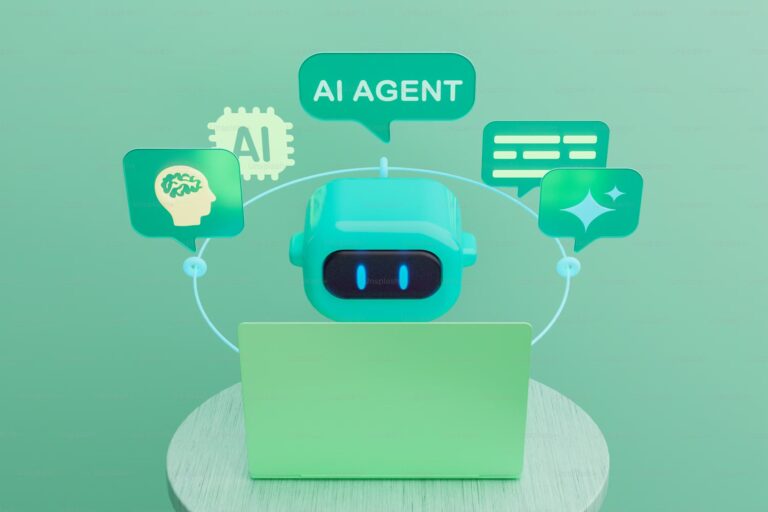
Maximizing Agentic Orchestration: Ensuring Reliable, Responsible, and Visible Impact in Your Actions

AI agents are swiftly becoming indispensable in today’s enterprise landscape. These advanced entities, powered by sophisticated AI models, excel at reasoning, decision-making, and continuous learning. When these agents are allowed to manage intricate processes from start to finish, we term this agentic automation. The enthusiasm surrounding this innovative approach is evident, with a striking 90% of U.S. IT executives believing that their business processes can be significantly enhanced through agentic AI.
However, the journey toward effective agentic automation requires more than just flashy technology. Consider it an orchestra: it demands collaboration between AI agents, automation tools, and human expertise to achieve transformative results. With 87% of U.S. IT executives acknowledging that interoperability among different technologies is vital for success, it’s clear that orchestration plays a critical role. Now, with agentic orchestration in public preview, businesses can achieve this harmony more effortlessly than ever.
Understanding the Challenges of AI Agents
As businesses strive to integrate AI agents into their workflows, a multitude of challenges surfaces. According to Gartner, by 2028, agentic AI is expected to influence at least 15% of day-to-day decisions within enterprises.
Despite this exciting forecast, the complexity of modern processes can’t be underestimated. Large companies are now utilizing over 230 enterprise applications, each serving unique functions like project management or collaboration. This intricate web of tools can soon become overwhelming, resulting in data silos and inefficiencies, as employees struggle to navigate the labyrinth of available resources.
Business leaders need comprehensive data for informed decision-making and to pinpoint valuable opportunities for improvement. However, fragmented data and limited visibility into critical processes often hinder this quest. The challenge of attaining a holistic understanding of organizational operations remains daunting, consequently affecting the effectiveness of change initiatives and the ability to demonstrate ROI.
It’s crucial to recognize that deploying new AI agents without a strategic approach could compound these issues, potentially ballooning costs and contributing to tech overload. Moreover, concerns around the reliability of AI agents—similar to the hallucination tendencies associated with generative AI—pose significant risks, particularly in tightly regulated industries.
Embracing Agentic Orchestration for Scale
To unlock the true potential of agentic automation, organizations must pursue a streamlined and structured approach. Agentic orchestration can simplify and refine complex processes, enabling significant enhancements in efficiency while mitigating risks.
This orchestration layer not only enhances visibility but also allows for the intelligent management of workflows. With agentic orchestration, companies gain comprehensive control over the full lifecycle of their business processes.
Think of this orchestration as a conductor guiding a symphony—keeping operations synchronized and aligned with strategic objectives. It allows for smooth interactions among AI agents, robots, and human participants, ensuring that processes are efficiently executed.
An orchestration platform can significantly reduce complexity and aid in the seamless deployment of AI agents. It offers the tools necessary to model, implement, monitor, and optimize lengthy processes while fostering collaboration among process owners and automation leaders.
By defining clear business rules and guardrails, agentic orchestration ensures that AI agents operate within well-defined parameters, allowing for reliable output and consistency across operations. Human oversight can be effortlessly integrated into these processes, ensuring that any necessary escalations are properly managed.
Additionally, an orchestration platform acts as a process intelligence layer, providing real-time insights to monitor and enhance agentic workflows. This approach allows organizations to identify bottlenecks and optimize performance over time, ensuring that automation efforts yield measurable ROI.
The Intersection of Agentic Automation and Orchestration
For those eager to dive into the world of agentic automation, now is the perfect time. Understanding and implementing agentic orchestration can pave the way for a more streamlined, efficient, and effective enterprise.
Are you ready to transform your organization’s workflows and embrace the future of AI? Start your journey today with agentic orchestration and watch as your processes flourish.