Leveraging AI: How Levi Strauss Transforms Its DTC Business Model for Success
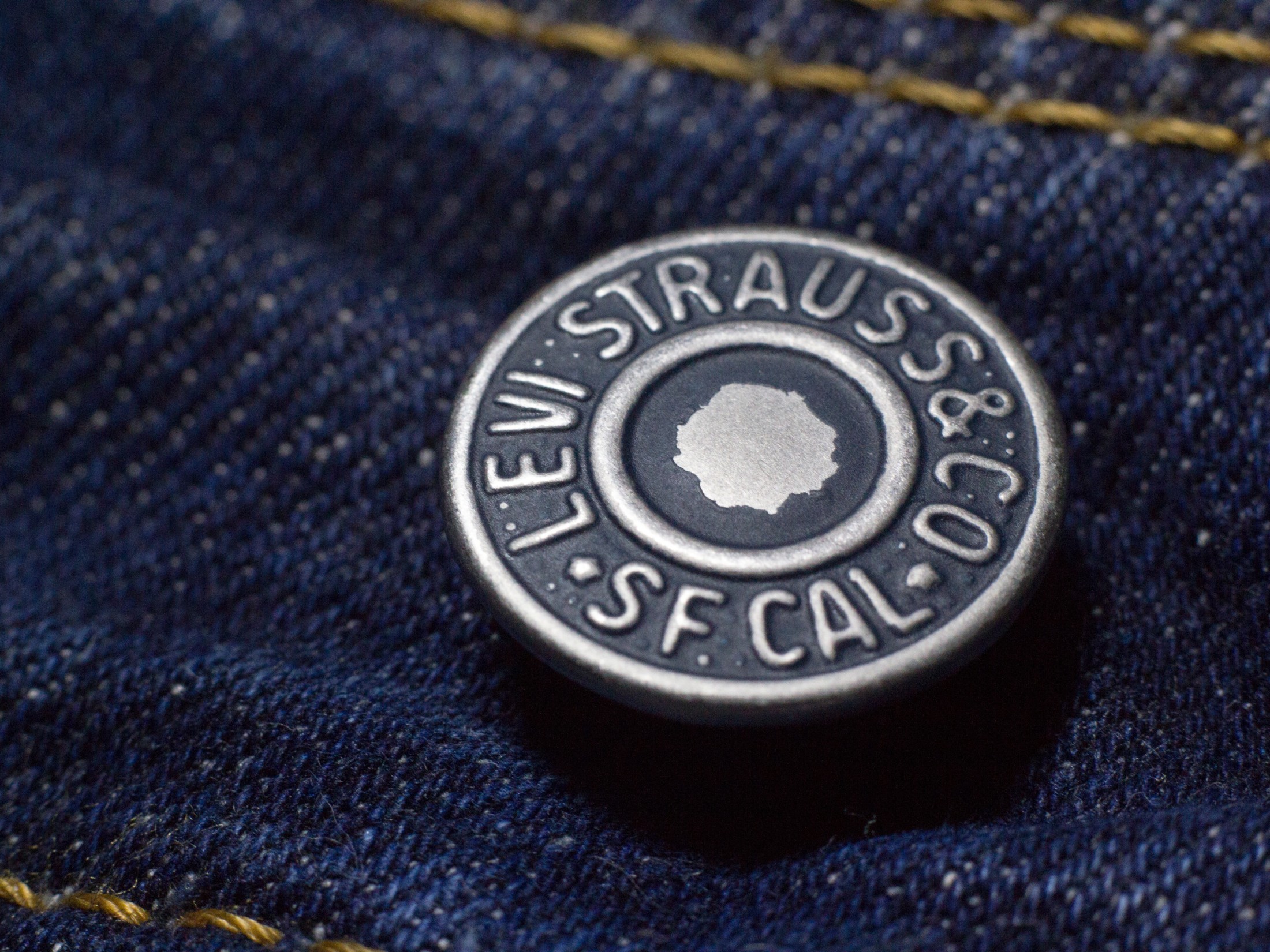
In today’s vibrant and ever-evolving fashion landscape, brands must leverage cutting-edge technology to meet the sophisticated desires of modern consumers. Levi Strauss, a storied name in the apparel industry, is embracing this challenge head-on. The company’s commitment to a direct-to-consumer (DTC) business model is paired with innovative strategies that interlace AI and cloud technology into its fabric. Through these advancements, Levi Strauss is not just enhancing customer experiences; it’s redefining the essence of retail.
A Unified Approach: The AI Superagent at Levi Strauss
At the heart of Levi Strauss’s technological transformation lies its ambitious venture into agentic AI solutions. The brand is harnessing an Azure-native “orchestrator agent” embedded within Microsoft Teams to create a powerful “superagent.”
This intelligent interface acts as a seamless communication hub for employees stationed across various sectors, from corporate offices to retail floors. Instead of navigating multiple applications, staff can now engage with a single conversational portal that efficiently addresses queries and connects them with specialized subagents, simplifying their workflows significantly.
Jason Gowans, Chief Digital and Technology Officer at Levi Strauss & Co., elaborates on this transformative vision, stating, “We’re rewiring Levi Strauss & Co to be a DTC-first, fan-obsessed retailer making every interaction faster, smarter, and more personal.” He emphasizes that AI is the linchpin of this evolution—driving innovation and enhancing employee creativity while crafting memorable consumer experiences that keep loyal customers coming back.
The emphasis on productivity doesn’t stop there. Levi Strauss teams are deploying GitHub Copilot to streamline quality engineering and release management. Employees equipped with Microsoft Surface Copilot+ PCs report increased efficiency in data management, thanks to features that minimize time spent searching for crucial information.
Establishing a Robust Cloud and Security Framework
The foundation of Levi Strauss’s AI strategy relies heavily on a strong cloud and security infrastructure. Advanced AI models necessitate a unified cloud environment, making this groundwork essential for any business leader looking to replicate similar success.
Shifting their application workloads to Microsoft Azure, Levi Strauss has utilized tools like Azure Migrate and GitHub Copilot to facilitate this transition from traditional on-premises data centers. This strategic shift not only supports the company’s AI ambitions but also strengthens its security posture.
By integrating Azure AI Foundry and Semantic Kernel, Levi Strauss is developing intelligent automation that enhances security measures. This innovative approach integrates security directly into the AI framework, allowing them to maintain a robust zero-trust security model while scaling AI initiatives globally. The incorporation of Microsoft Intune also ensures seamless hardware management through zero-touch onboarding and application deployment.
Embracing a Comprehensive AI Ecosystem
Levi Strauss’s innovative approach exemplifies a holistic strategy for adopting AI technology. Rather than implementing disparate tools in isolation, the company is building an interconnected ecosystem that includes AI agents, developer tools, and hardware—all anchored by a cohesive cloud platform.
Keith Mercier, VP of Worldwide Retail and Consumer Goods Industry at Microsoft, acknowledges this groundbreaking effort, remarking how Levi Strauss “exemplifies how iconic brands can reinvent themselves with cloud and AI technologies.” The lessons drawn from Levi Strauss’s journey offer a blueprint for other enterprises aiming to integrate AI with their cloud migration for meaningful, high-value results—particularly in transitioning to a DTC model.
As Levi Strauss charts its course into the future, the blend of innovation and customer focus showcases the potential for growth in the dynamically changing retail landscape.
Join us in celebrating this journey towards a smarter, more connected future in fashion! Discover how you can leverage similar strategies to elevate your business and create unforgettable experiences for your customers. The time to innovate is now—let’s embrace the future together!