Is ChatGPT Improving or Harming College Education?
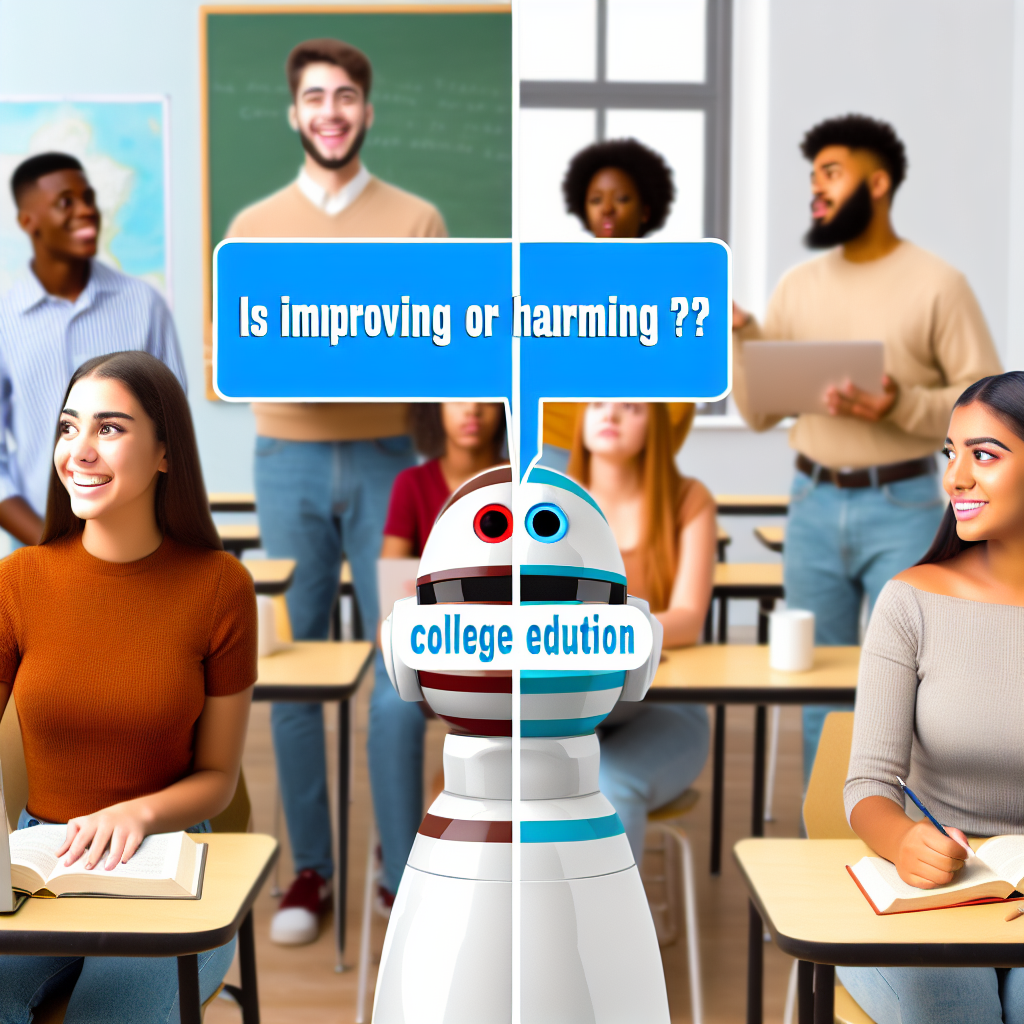
Is ChatGPT Making College Better or Worse?
The rise of generative AI in education has sparked vigorous debates about its impact on students and educators alike. As many institutions grapple with integrating tools like ChatGPT into their curricula, the question remains: is ChatGPT making college better or worse? To explore this theme, we delve into various perspectives surrounding AI in the classroom.
The Shifting Landscape of Education
Since the advent of ChatGPT in late 2022, colleges have been navigating its implications. Initially perceived as a tool for cheating, the attitude towards AI has evolved. Today, many educators recognize its potential to enhance learning and prepare students for a job market increasingly demanding AI competencies. Institutions are now reflecting on teaching methodologies and how AI integration can better serve students.
Faculty Perspectives on AI Integration
The response to AI in college varies widely among faculty members. Some utilize AI tools to streamline their workload, creating quizzes and class materials more efficiently. Others are exploring innovative student-facing applications, leveraging AI for role-playing and scenario-based learning. Meanwhile, a segment of educators remains resistant, focusing on concerns like environmental impact and the deterioration of human interaction in classrooms.
Student Experiences with AI Policies
For students, navigating the complex landscape of AI policies can be daunting. Many are confused about when and how they can use AI tools without repercussions. This confusion is exacerbated when institutions lack cohesive guidelines, often resulting in inconsistent experiences across different classes. High stakes related to academic integrity can further complicate their relationship with AI tools, leading to anxiety and fear of disciplinary actions.
The Process Over Product Approach
To navigate the challenges posed by AI, many educators are shifting their focus from the final product to the learning process. Prioritizing method over mere results encourages students to engage more deeply and learn critical thinking skills. By integrating AI into the learning experience, educators can provide students with valuable tools for future employment while fostering a culture of honest dialogue around technology use.
The Future of AI in Higher Education
In assessing whether ChatGPT is making college better or worse, it’s essential to recognize the potential for positive transformation. While there are significant challenges, the increased dialogue around AI in education paves the way for many necessary reconsiderations. The key lies in embracing these complexities and fostering a collective effort between educators, students, and administrators.
Conclusion
Balancing AI integration with ethical considerations remains a work in progress, but the growth of generative AI serves as a catalyst for much-needed change. As institutions refine their approaches, both students and educators stand to benefit from a more adaptive and supportive learning environment.
For further insights on the integration of AI in education, consider exploring resources from the Association of American Colleges and Universities or the EdTech Magazine.
If you found this discussion intriguing, share your thoughts in the comments below! How do you see AI reshaping education?