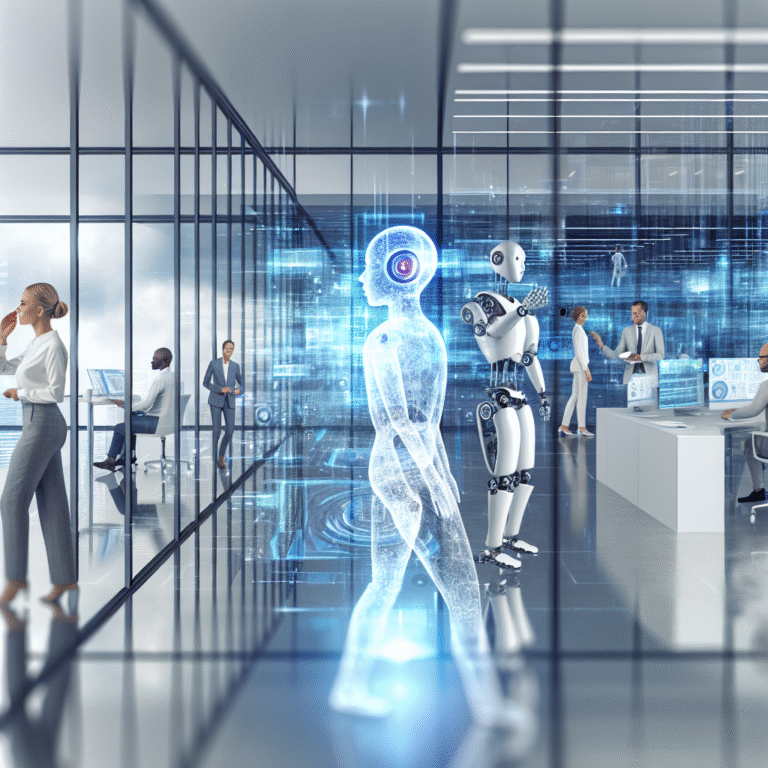
Inside Multi-Agent AI: Rethinking Enterprise Decisions
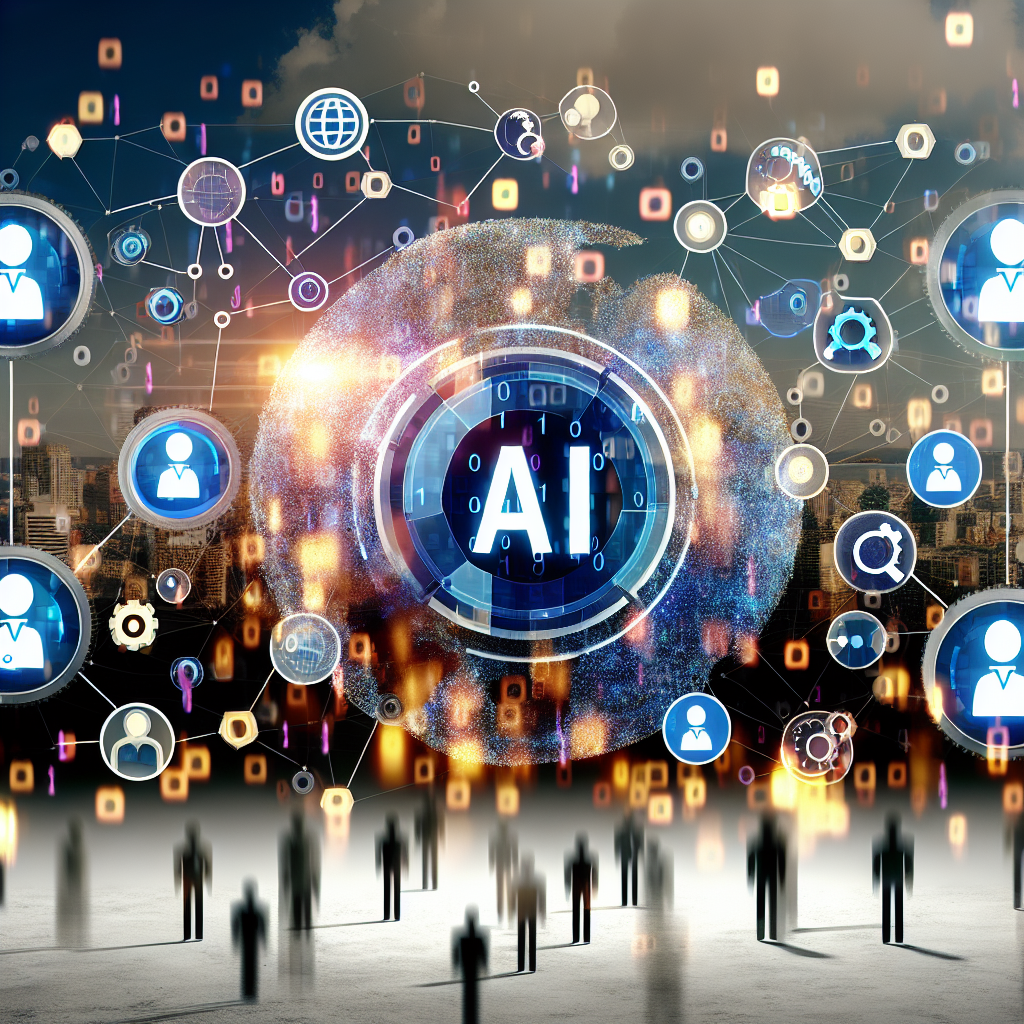
Embracing Multi-Agent Systems in Enterprise AI
In the rapidly evolving world of artificial intelligence, multi-agent systems are becoming the focal point of innovation and efficiency. By leveraging the power of AI agents, businesses can significantly enhance decision-making processes and streamline operations. This article dives into the potential of multi-agent environments, the transformative impact on enterprises, and actionable insights for business leaders.
The Rise of Multi-Agent Systems
Understanding Agents
At its core, an agent is an AI entity equipped with autonomy to perform specific tasks within a given environment. Unlike traditional models that simply process input to generate output, agents can interact, make decisions, and execute actions based on their programming. This capability allows for a more dynamic and responsive approach to problem-solving.
The resurgence of interest in multi-agent systems can be attributed to advancements in large language models, which enable agents to reason and understand natural language. As organizations increasingly look to streamline operations, the demand for agents that collaborate and communicate effectively is surging.
Transforming Enterprise Decision-Making
Breaking Down Silos
Multi-agent systems promise to enhance productivity by breaking down silos within organizations. Each agent can manage specific tasks, creating a network that streamlines processes. For example, in large enterprises, integrating HR, finance, and operations through interconnected agents allows for seamless communication and quicker response times.
Real-World Applications
Consider a scenario in which an employee has a life change, such as a child turning 26. Instead of navigating a complex system to find relevant HR policies, an agent can intelligently aggregate information from multiple departments, providing tailored recommendations for next steps. This is just one illustration of how multi-agent systems can revolutionize employee experiences.
Potential Challenges in Multi-Agent Environments
Maintaining Control
While the autonomy of agents offers remarkable benefits, it also raises concerns about oversight. Businesses must establish protocols to ensure that decision-making remains aligned with company values and goals. Implementing rule-based fallbacks allows organizations to manage risk while still taking advantage of the benefits of agent-driven processes.
Addressing Inconsistencies
With multiple agents operating simultaneously, the potential for inconsistencies increases. Just as humans verify each other’s work to reduce error, a similar approach should be taken with agents. Incorporating redundancy into systems can enhance reliability, ensuring that tasks are carried out accurately.
The Future of Work with AI Agents
As we move toward a future where AI agents are integral to day-to-day operations, the landscape of work is set to evolve dramatically. Business leaders should begin considering how individual employees can effectively leverage a team of agents to manage their workflows. Instead of focusing on a single tool, employees may soon find empowerment in collaborating with multiple agents, streamlining tasks, and enhancing productivity.
Conclusion
The implementation of multi-agent systems represents a transformative step for enterprises seeking to harness the full potential of AI. As organizations begin to explore this technology, the emphasis should be on creating a cohesive network of agents that can work together to elevate decision-making and operational efficiency. Embracing these advancements will not only benefit organizational structure but will also liberate employees from mundane tasks, allowing them to focus on strategic initiatives.
For further insights into navigating the AI landscape, consider exploring resources like McKinsey on AI and Harvard Business Review on AI in Business.
If you’re excited about the possibility of integrating AI agents into your enterprise, take the first step today. Engage with your team about how they can benefit from collaborating with AI solutions tailored to their unique roles and responsibilities.