Humanoids in Our World: Future Possibilities Explored
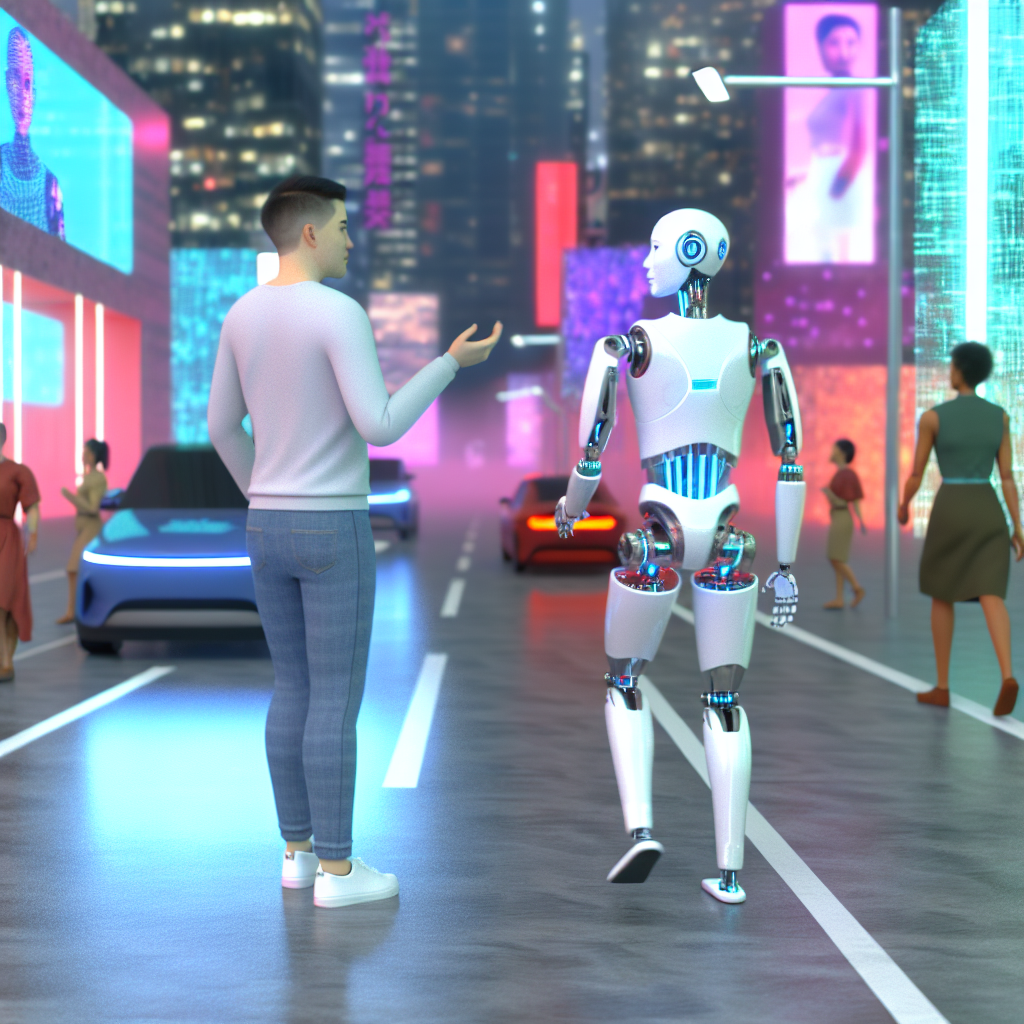
Understanding the Impact of Humanoid Robots on Work and Daily Life
Humanoid robots are at the forefront of artificial intelligence advancements, bridging the gap between technology and everyday responsibilities. As these robots evolve, they hold the potential to transform industries and enhance our daily lives. This post explores the current landscape of humanoid robots, their capabilities, and the implications for our future workplaces.
The Rise of Humanoid Robots
Humanoid robots, designed to mimic human form and function, are being integrated into various sectors, primarily logistics and manufacturing. Companies like Agility Robotics have developed robots such as Digit, which can navigate human environments and perform tasks like loading and unloading equipment without requiring modifications to existing spaces. This capability makes humanoids an attractive option for businesses looking to automate repetitive tasks.
Current Applications and Progress
Over the past year, there has been a significant acceleration in the development of humanoid technologies. Robots are now functioning in real-world settings, with some already working full shifts in warehouses and logistics centers. This advancement indicates a shift from theoretical applications to tangible implementations. Humanoid robots are ideally suited for tasks that require physical presence in human-centric environments, such as transporting heavy objects and assisting with logistical workflows.
Future Potential Beyond Manufacturing
The potential applications for humanoid robots extend beyond manufacturing to areas like healthcare and retail. They could be employed in supermarkets to restock shelves or assist in hospitals by moving materials. The adaptability of humanoids to various environments without needing special accommodations positions them uniquely for a wide array of jobs, making automation feasible in many aspects of life.
Safety and Efficiency in Robot Operations
Addressing safety concerns is paramount as humanoid robots become more integrated into work environments. Companies are developing supervisory systems that allow these robots to operate safely alongside humans. Innovations in onboard safety measures aim to ensure that humanoids can work in shared spaces without risk, promoting a cooperative work environment.
Conclusion: The Future of Work with Humanoids
As humanoid robots continue to evolve, they represent a real and integral part of our future workforce. The rapidly advancing capabilities of these robots will redefine workplace dynamics, offering businesses efficient and effective solutions to common logistical challenges.
For those interested in how these advancements can enhance business operations and everyday life, staying informed is crucial. Keep an eye on the developments in this intriguing field and explore how humanoids might soon be part of your work environment.
For more insights into the world of AI and robotics, consider exploring these resources:
Stay tuned for more exciting updates on the future of AI and robotics!