How the AI Data Center Surge May Impact Other Infrastructure Initiatives
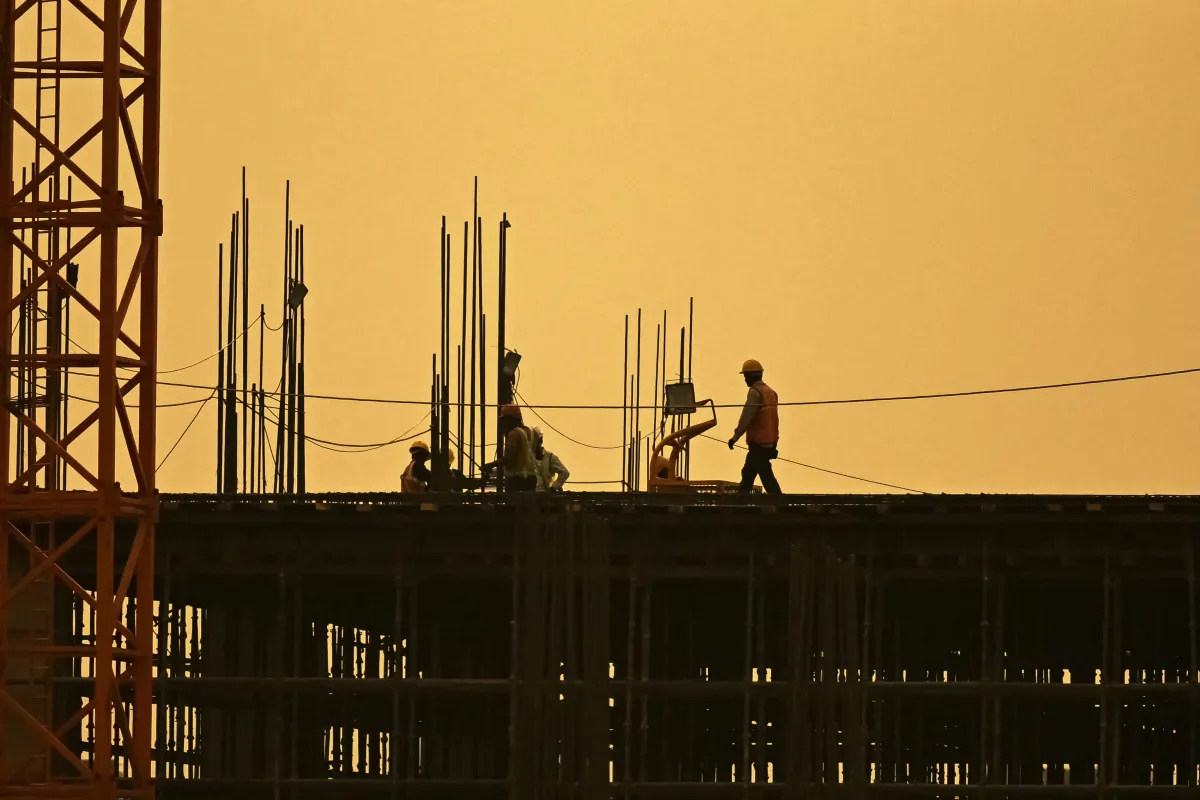
The rapid expansion of AI technology has transformed various sectors, but its impact on infrastructure projects is raising concerns among industry experts. As data centers proliferate, their demand for resources and space can overshadow other essential developments, potentially stalling or sidelining vital infrastructure initiatives. Understanding these dynamics is crucial for stakeholders looking to balance innovation with sustainable growth.
The Impact of AI on Infrastructure
Increased Resource Demand
The recent surge in AI applications has led to a significant spike in data center construction. This surge can strain local resources, including:
- Energy consumption: Data centers operate around the clock and require substantial energy, often leading to increased utility costs for communities.
- Cooling requirements: The infrastructure needed to keep these facilities operational can divert water and energy from other projects.
- Land use: Expanding data centers can encroach on land designated for public services or community development.
Potential for Project Delays
As priorities shift towards establishing AI data centers, other infrastructure projects may face delays. This shift can have ripple effects, particularly in communities where public services or updating transportation systems are already overdue.
Economic Implications
The emphasis on AI infrastructure can redirect funding and attention away from other critical projects. Economic growth often hinges on well-rounded development, including transportation, healthcare, and education systems. Disproportionate focus on data centers might stifle broader community growth.
Balancing Innovation with Infrastructure Needs
Collaborative Strategies
To ensure that the rise of AI data centers does not sideline essential infrastructure, effective collaboration among stakeholders is vital. City planners, tech companies, and community leaders should engage in discussions to:
- Assess local needs: Identifying what infrastructure is essential for community well-being can foster balanced development.
- Create sustainable plans: Integrating energy-efficient designs into data centers can help mitigate some negative impacts.
- Promote shared resources: Encouraging data centers to utilize renewable energy sources can lessen their environmental footprint.
Future-Proofing Infrastructure
Investing in innovative solutions can pave the way for a robust infrastructure landscape, despite the growing presence of data centers. Considerations include:
- Smart infrastructure: Utilizing technology to monitor and manage resources efficiently can enhance the resilience of public services.
- Dynamic planning: Being adaptable and responsive to community needs can prevent project backlogs and ensure all sectors thrive.
In conclusion, the burgeoning landscape of AI data centers presents both challenges and opportunities. It’s essential to strike a harmonious balance that allows technological advancements to flourish while ensuring that critical infrastructure is not neglected.
Let’s come together to advocate for responsible development that prioritizes the well-being of our communities. Your voice matters—engage with local initiatives and support inclusive planning to create a sustainable future for all. Embrace the possibilities, and let’s shape a thriving environment for everyone!