How Soaring Energy Costs are Impacting AI Innovations and Data Center Operations
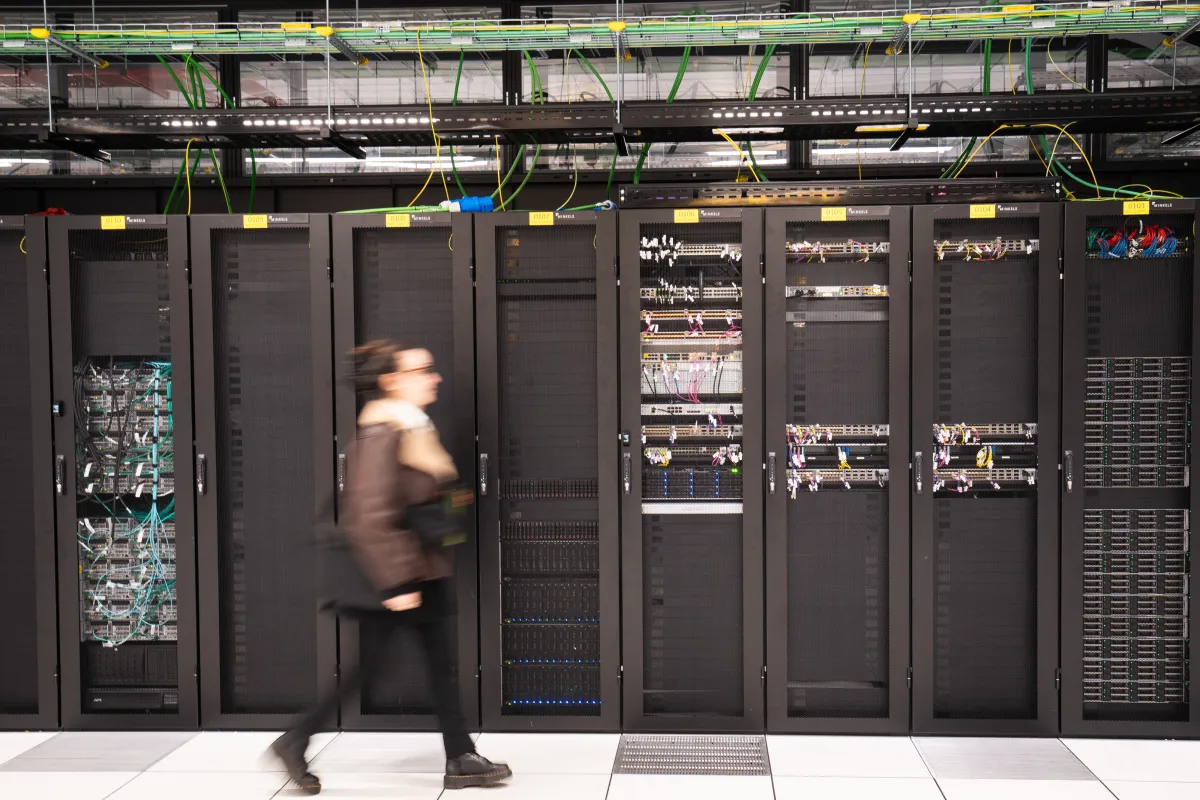
As tech giants accelerate their expansion with new data centers, concerns about rising electricity costs loom large for consumers. A recent survey reveals a significant number of individuals fear that this AI-driven surge will lead to increased utility bills. As we dive into the trends shaping our energy future, it’s essential to understand the implications for both our wallets and the environment.
The Growing Concern Over Electricity Costs
According to a report commissioned by solar installer Sunrun, an alarming 80% of consumers expressed worry about how the burgeoning demand from data centers might affect their energy expenses. This apprehension is not without merit; as electricity demand has remained relatively stable in the U.S. for over a decade, recent shifts point to an escalating appetite from commercial users.
Rising Demand from Data Centers
Data centers now consume approximately 4% of all electricity generated in the United States, a number that has more than doubled since 2018. By 2028, this demand is projected to soar between 6.7% and 12%, underscoring the growing stress on our power grids. In contrast, residential electricity consumption has seen only a modest growth of 0.7% annually.
Renewable Energy’s Role
Fortunately, the increasing demand has been mitigated, in part, by a surge in renewable energy sources. The U.S. Energy Information Administration (EIA) reports that new capacities from solar, wind, and grid-scale battery storage have been pivotal in meeting this heightened demand. Major tech companies are increasingly investing in utility-scale solar projects, enticed by their low cost and rapid deployment capabilities.
Benefits of Solar Power
- Cost-Effective: Solar energy remains one of the most affordable sources of electricity.
- Quick Implementation: New solar farms can start supplying energy even before full completion, typically within 18 months.
- Sustainability: Solar power promotes a greener energy landscape, reducing carbon footprints.
Despite these advancements, the future of renewables hangs in the balance. Experts warn that potential policy changes, particularly a rollback of the Inflation Reduction Act, may stifle further growth in this sector.
The Challenges of Natural Gas
While natural gas remains a popular choice for powering data centers, current trends reveal it hasn’t quite met the demand. Although production has increased, much of the output has been directed toward exports rather than fulfilling domestic needs. Over the past few years, consumption from electricity generators has surged by 20%.
Complications Ahead
- Delayed Power Plants: New natural gas facilities typically require four years to construct.
- Long Wait Times: Manufacturers report delivery times for turbines needed in gas-fired plants can stretch to seven years.
- Limited Production Capacity: Newly announced capacities are unlikely to resolve the backlog and demand challenge.
These factors leave data center developers in a predicament, facing the dual challenges of limited natural gas supply and constrained growth in renewables.
The Backlash Looms
Though not solely responsible, the AI revolution has undeniably drawn attention for its role in intensifying electricity demand. Many consumers are more wary than enthusiastic about AI, largely due to its perceived impact on jobs rather than its potential to enhance productivity. Recent findings show growing discontent as rising energy prices further exacerbate existing anxieties.
With a potential backlash brewing among consumers, the urgency to balance technological advancements with sustainable energy solutions cannot be overstated.
As we navigate this complex landscape, it’s crucial for consumers to stay informed and advocate for sustainable practices within the tech industry. Only through awareness and action can we encourage a future where innovation and environmental responsibility coexist seamlessly.
Join the conversation and share your thoughts on how we can foster a sustainable future in energy while embracing the benefits of technology! Your voice matters in this critical dialogue.