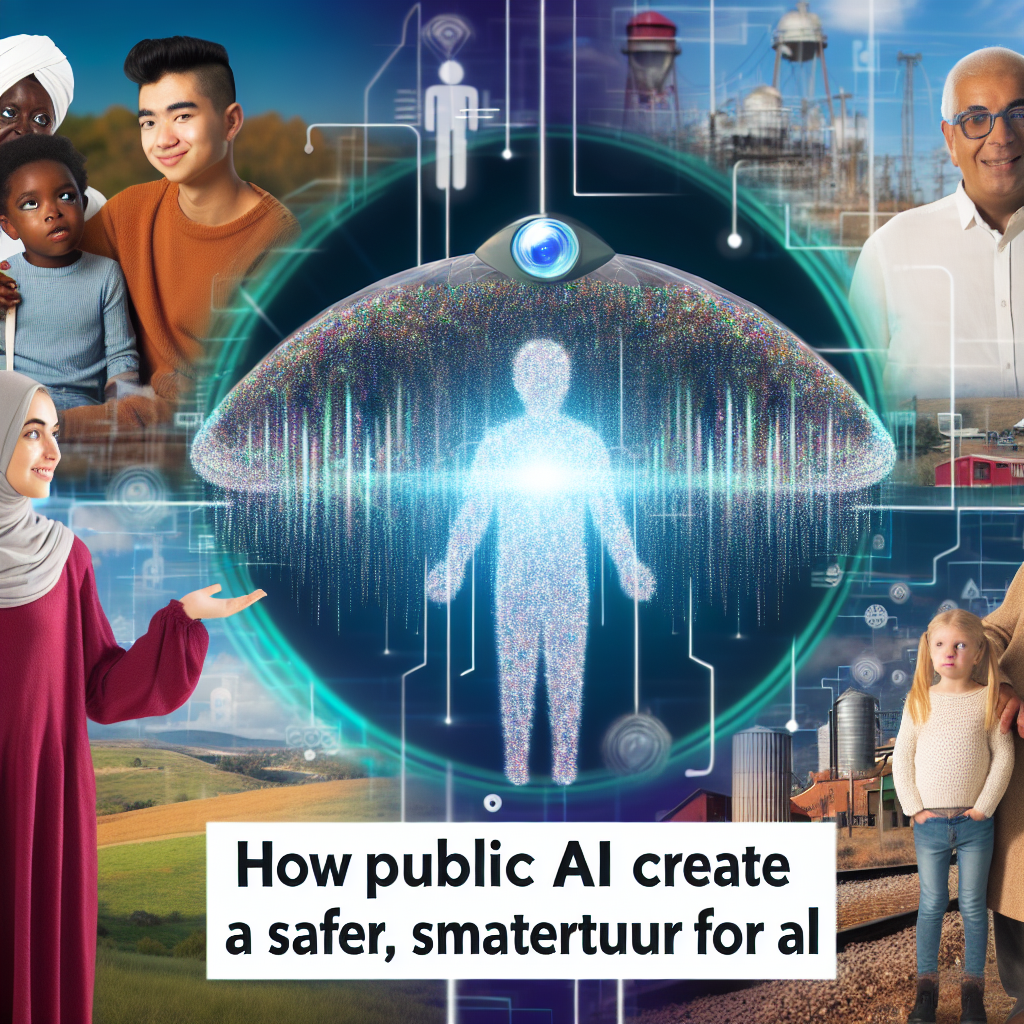
How Public AI Can Create a Safer, Smarter Future for All
Introduction
In today’s rapidly evolving digital landscape, understanding how public AI can enhance trustworthiness and accountability is crucial. As organizations increasingly turn to various artificial intelligence tools, the importance of building a safe and accessible AI ecosystem cannot be overstated. This blog post delves into the significance of public AI and explores how it can shape a smarter and safer future for everyone.
The Need for Public AI
Addressing Trust Issues
With many companies relying on proprietary AI models, concerns about data sources and transparency are paramount. Public AI offers a vital counterbalance, ensuring that users have access to models that are open, transparent, and built with public interest in mind. By prioritizing accountability and openness, public AI endeavors to create a future where trust can thrive.
Bridging the Gaps in AI Infrastructure
While proprietary AI solutions can be effective, they often fall short in addressing specific needs, particularly when sensitive data is involved. Public AI enables developers to work with data in secure environments, fostering greater control over the models and ensuring that sensitive information remains protected.
Building a Symbiotic Ecosystem
Harmony Between Public and Private AI
The relationship between public and private AI can be symbiotic rather than adversarial. Both ecosystems can coexist, allowing innovators to choose the most suitable option for their needs. This modular approach can drive innovation, as developers can leverage the strengths of both public and private models to enhance their offerings.
Diverse Ownership Structures
Public AI doesn’t solely rely on government initiatives; nonprofits and open-source projects play crucial roles. Organizations like the Allen Institute for AI exemplify how a nonprofit model can lead to significant advancements in AI, offering accessible resources that contribute to the larger ecosystem.
Examples of Public AI Use Cases
Open Models and Datasets
Several public AI models and datasets are making waves:
- Almo from the Allen Institute – A model designed for various AI applications, focusing on accessibility and public good.
- AlphaFold 2 – Developed in a commercial lab and then open-sourced, it’s an example of a public alternative beneficial for scientific research.
- Common Voice – An initiative by Mozilla, gathering voice samples from around the world to create a diverse dataset for AI model training, ensuring multi-language support.
Compute Infrastructure Initiatives
Governments are also stepping up, offering compute resources to support public AI development. Programs like the national AI research resource in the US aim to broaden access to the technology needed to create innovative AI solutions.
The Future of AI: Fostering Safety and Accountability
Building Trustworthy AI
Public AI can contribute to a future where safety and accountability are embedded within the AI development process. By prioritizing safety testing and transparency, organizations can ensure that AI tools are not just innovative but also responsible.
Encouraging a Shift in Incentives
Public AI encourages an alternative development methodology where the focus shifts from profit motives to public good. This approach fosters a more balanced AI ecosystem that aligns with societal values, leading to responsible innovations that benefit everyone.
Conclusion
As organizations navigate the complexities of integrating AI into their operations, exploring public alternatives will be vital. Public AI provides a pathway for building trustworthy applications that prioritize safety and accountability. By investing in this ecosystem, we can secure a smarter, safer future for all.
If you’re interested in learning more about the evolving landscape of AI, consider checking out resources offered by the Allen Institute for AI and Mozilla’s AI initiatives.
Feel free to share your thoughts and insights on public AI in the comments below!