How New Grads Can Land Jobs with AI Skills
Understanding AI’s Impact on Recent Graduates and the Job Market
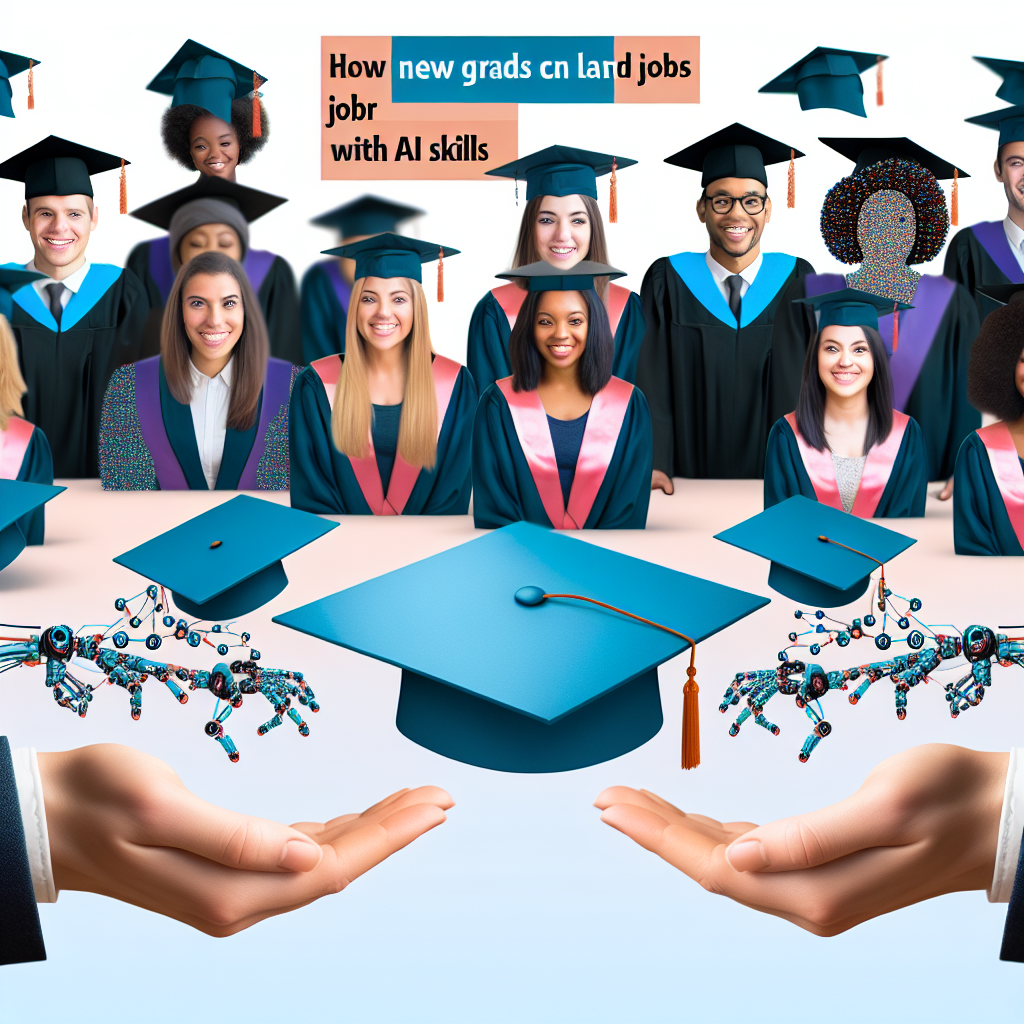
The rise of artificial intelligence (AI) is reshaping the job landscape for recent graduates like never before. A new study indicates that these individuals face unprecedented rates of unemployment, largely due to the lack of AI skills being taught in higher education. Understanding the current job market and how to adapt is crucial for both students and employers alike.
The Job Crisis for New Graduates
Recent graduates are confronting an all-time high unemployment rate. According to research from Oxford Economics, structural shifts in the tech sector are displacing entry-level positions at alarming rates. The rise in unemployment is particularly concentrated among recent college graduates, with the data indicating that 85% of this increase is attributed to those making their first foray into the job market.
Factors Contributing to the Crisis
Several factors contribute to this crisis:
-
Lack of AI Education: Many universities have been slow to integrate AI into their curricula. Instead of preparing students for the demands of the current job market, institutions often ignore or outright ban the use of AI in educational settings.
-
Corporate Hiring Practices: Often, companies are not replacing laid-off employees, effectively freezing out new graduates. This practice allows businesses to save costs while presenting a more favorable public image.
- Generational Shift: With the baby boomer generation exiting the workforce, there is an urgent need for younger professionals who possess the relevant skills in AI and tech.
Reassessing the Role of Higher Education
The current state of higher education raises concerns about the value of degrees in a rapidly evolving job market.
The Overpriced Participation Trophy
Degrees are increasingly being seen as "overpriced participation trophies." Many employers view them as lacking practical value if graduates cannot demonstrate relevant experience with essential tools like AI. Graduates may find themselves well-versed in outdated theories rather than the skills sought by today’s employers.
The Future of Universities
If educational institutions do not adapt to the fast-paced development of AI, they risk becoming obsolete. Predictions suggest that many long-standing universities may close down, especially those that fail to provide AI education. The landscape is changing, and staying relevant is critical for institutions of higher learning.
What Can Employers and Students Do?
With the labor market in disarray, both employers and recent graduates need to be proactive.
For Employers
-
Adapt Hiring Practices: Look for innovative talent rather than cutting headcount. The influx of skilled candidates willing to adapt can breathe new life into your organization.
-
Invest in AI: Understand that generative AI is not just a tool but a necessity. Adopt it to gain a competitive edge, and be open to rethinking your existing business models.
- Encourage Lifelong Learning: Offer training programs that help current employees upgrade their skills, particularly in AI literacy.
For Students and Recent Graduates
-
Demand AI Education: If your school lacks a solid AI curriculum, it may be time to reconsider your educational path. Make your voice heard and demand more relevant learning opportunities.
-
Leverage Your Recent Grad Status: Use your status to network with industry professionals. Many experienced individuals may be more accessible than you think.
- Build Real-World Skills: Instead of merely applying for countless jobs, focus on creating or contributing to projects that showcase your skills in AI.
Conclusion
As AI continues to evolve, both students and employers must adapt to the changing landscape to thrive. Engaging in meaningful conversations about AI education and its implications can pave the way for a more skilled and prepared workforce.
For ongoing insights, consider exploring resources like the Harvard Business Review or Forbes.
If you found this information valuable, share it with others who may benefit. Let’s redefine the conversation around higher education and employment in the age of AI.