How FIFA is Transforming Global Football with AI: The World Cup as a Pioneering Test
When it comes to hosting the World Cup, the stakes have never been higher. Romy Gai, FIFA’s chief business officer, recently shed light on the unprecedented complexity of orchestrating a 48-team World Cup across Canada, Mexico, and the United States. This monumental event isn’t just about sports; it’s about managing a vast operational landscape, one that demands a seamless blend of strategy and technology.
In charge of a tournament expected to captivate six billion viewers, FIFA is taking a direct approach by handling operations internally for the first time. With a staggering 104 matches on the horizon, the logistics involve not only an expanded number of teams but also more broadcasters and no single national infrastructure to support the endeavor.
The Role of AI in Modern Football
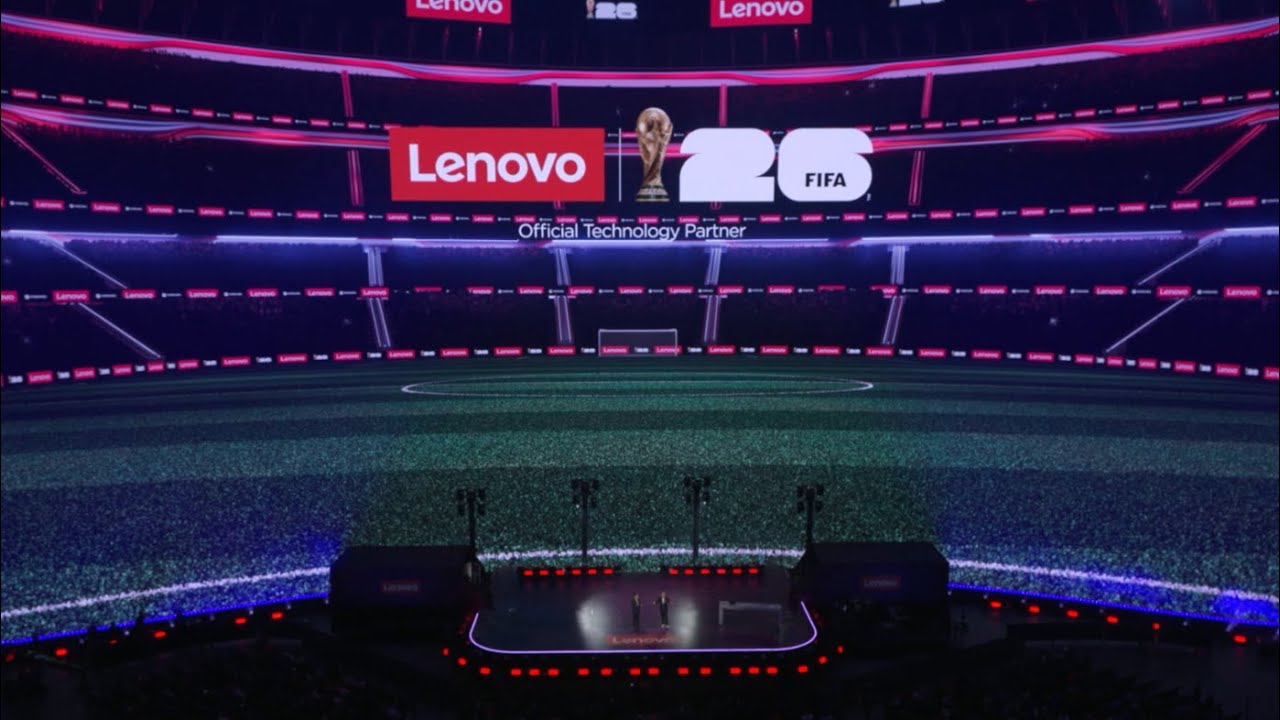
The unveiling of FIFA’s AI strategy at Lenovo Tech World in Hong Kong is a pivotal moment in this evolution. The launch introduced innovations such as Football AI Pro, AI-enabled 3D player avatars, and an enhanced Referee View. These advancements represent a fundamental shift: AI is now being seen not just as an enhancement but as a crucial component that underpins how the event will be managed.
What Football AI Pro Brings to the Table
Football AI Pro is an impressive generative AI knowledge assistant designed for all 48 teams at the World Cup. By utilizing FIFA’s specifically tailored Football Language Model, it analyzes hundreds of millions of unique data points. This AI tool delivers pre- and post-match analyses in various formats, including text, video, graphs, and 3D visualizations. Importantly, it supports prompts in multiple languages, ensuring accessibility for everyone involved.
This democratization of analytics addresses a significant disparity in the sport. While elite teams typically have robust analytics departments, newcomers may lack such resources. Football AI Pro aims to level the playing field, giving all teams access to essential analytical tools.
Tackling Operational Challenges
It’s worth noting that facilitating consistent intelligence across 48 teams in three countries is no small feat. The task of deploying enterprise AI to manage this vast operation is indeed complex. Lenovo’s infrastructure is integral to making this ambitious initiative a success.
Enhancing Transparency with the Referee Camera
FIFA’s updated Referee View seeks to enhance transparency in officiating decisions. While it’s designed to improve broadcast quality with AI-powered stabilization, its primary aim is to clarify the decision-making process surrounding contentious calls, particularly with VAR technology. Improved visuals and clearer communication could revolutionize how fans interact with the game.
The initial version was tested successfully at last year’s FIFA Club World Cup; its 2026 upgrade promises even more significant advancements. The real challenge will be reshaping audience perceptions of officiating in a meaningful way.
Addressing the Offside Challenge with 3D Avatars
One of the most persistent issues fans encounter is the complexity surrounding offside decisions. Existing technologies can be confusing, leading to widespread disputes. The new AI-enabled 3D avatars are set to provide a clearer solution. By creating precise 3D models of players in real-time, these avatars will enhance the understanding of offside calls, aiming to bridge the gap between technical accuracy and audience comprehension.
The Intelligent Command Center
Among these initiatives, the creation of an intelligent command center is perhaps the most significant operational advancement. This facility integrates real-time data across matches, venues, broadcasters, and departments, providing a cohesive operational view. In a tournament of this magnitude, with over 180 broadcasters and billions of viewers expected, efficient coordination is crucial.
Gai’s approach to eliminating local organizing committees reflects a pronounced shift in FIFA’s operational strategy, making AI a foundational component for this new level of coordination.
Looking Ahead: The Future of the Football Language Model
The implications of the Football Language Model extend beyond the 2026 World Cup. This powerful tool, developed from FIFA’s extensive data, is set to be available to fans and member federations in the future. If successful, it could serve as a baseline for enhancing analytical capabilities across the global football community.
This initiative represents much more than immediate advancements; it’s about ushering in a new era of accessibility in football analytics.
As FIFA embarks on this transformative journey, the World Cup serves not just as a showcase of talent on the field but as a groundbreaking experiment in using AI to enhance the experience for players, officials, and fans alike.
Join us in exploring how technology is reshaping the beautiful game. At Malibu Elixir, we celebrate innovation and sophistication in every aspect of life, and we encourage you to stay tuned for the incredible advancements on the horizon this World Cup season. Be part of the excitement—let’s elevate our experience together!