How DeepSeek AI Aims to Compete with Google in Search Technology
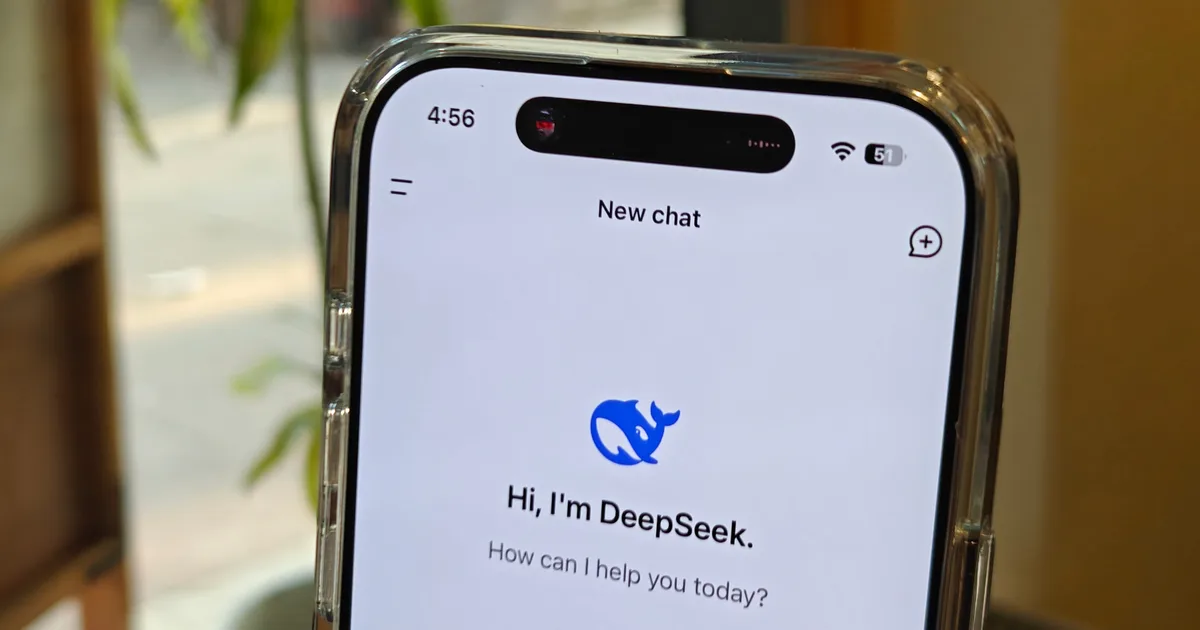
New roles tease a search buildout as the startup expands past its R1 model buzz.
In an era where artificial intelligence is transforming our everyday interactions, DeepSeek is poised to make significant waves in the search landscape. The startup is moving beyond its initial chat functionalities, hinting at an AI-driven search engine that aims to redefine how we access information. Recent job postings reveal the company’s intent to develop a product tailored for multilingual queries and innovative input methods, indicating a fresh approach to search as we know it.
A Peek into DeepSeek’s Ambitions
The latest job listings point to a multimodal engine designed to process various forms of media, including text, images, and audio. This versatility is crucial in an increasingly mobile world where users often initiate searches using screenshots, photos, or voice recordings.
Understanding the Role Behind the Scenes
DeepSeek’s recent roles emphasize the need for specialists who can create an AI search engine capable of understanding different languages and various types of input. This shift indicates a desire to provide results that feel more like direct answers rather than mere links—especially in instances where queries may be complex or unclear.
Moreover, the specifics of the job descriptions highlight the importance of robust infrastructure, which encompasses reliable training data, evaluation systems, and platforms essential for efficient operation. While these aspects may not be as glamorous as flashy features, they are pivotal in determining whether an AI search tool can serve users effectively or lead them astray.
The Timing is Key
Last January, DeepSeek’s impressive R1 model captured industry attention by offering capabilities that rivaled leading options in the market at a fraction of the cost. Since that debut, analysts have been eagerly watching for the next step in DeepSeek’s journey.
Why Should Google Pay Attention?
While Google currently dominates the search market, the rise of AI-driven interfaces is starting to change the game. A multilingual and multimodal approach from DeepSeek could present a legitimate challenge by effectively interpreting images and audio, thereby enhancing the speed and relevance of search results.
Additionally, the company’s focus on AI agents—tools designed to function with minimal human involvement—further illustrates its ambition. DeepSeek’s emphasis on training data, agent evaluation, and dedicated platforms suggests a forward-thinking strategy that positions these tools to act autonomously. This integration of search and AI agents could evolve traditional search into something more akin to a personal assistant.
What Lies Ahead
As DeepSeek develops this AI search offering, one of the crucial points of interest will be its distribution strategy. The current job listings do not clarify whether DeepSeek’s AI search will exist as a standalone platform, integrate into an existing service, or become available through a developer API. This decision will profoundly impact how users engage with the technology.
There are a few indicators worth monitoring, too. Notably, DeepSeek published an innovative paper in December outlining a new method for efficient AI development and has hinted at "model1" on its public GitHub. Should DeepSeek reveal a public preview of its search capabilities or launch its persistent agent features for testing, we may see more concrete intentions to carve out a competitive space against Google.
As these developments unfold, keep an eye on how AI is reshaping not just the search function, but our broader digital experience. Are you ready to embrace this exciting new frontier? Let’s explore together!