How AI is Transforming Farewells: Reuniting Loved Ones with the Departed
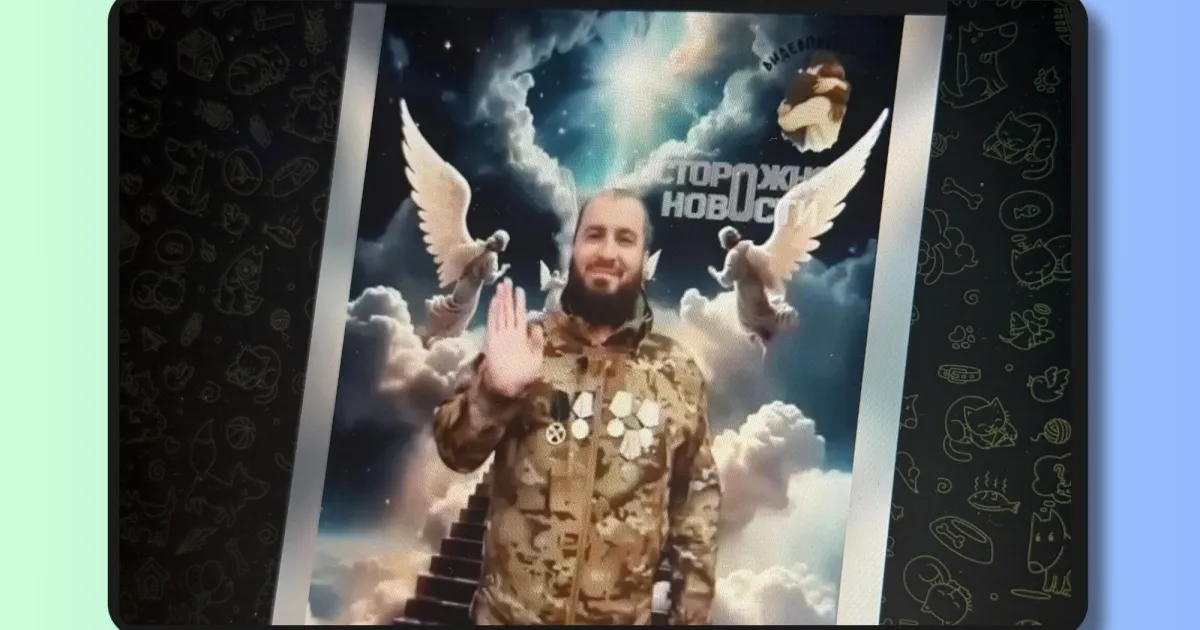
Families in Russia are turning to a strikingly modern approach to commemorate their loved ones who have fallen in conflict: AI-generated memorial videos. This unique technology, while controversial, offers a way to create touching tributes that help families connect with memories of those they’ve lost. As the digital age continues to evolve, these memorials present both a profound sense of loss and an innovative method of remembrance.
Understanding the Demand for AI Memorials
In a unique blend of grief and technology, families of soldiers who have lost their lives in the ongoing Ukraine conflict are commissioning custom AI videos. These heartfelt creations depict their loved ones in moments of reunion, walking up stairs to the heavens, or embracing family members in virtual farewell performances. According to advertisements from a prominent Russian company shared on platforms like Telegram, this service promotes a “reunion of souls” through advanced neural networks and editing techniques.
- Cost: Families can expect to pay between $30 and $80 for these deeply personalized videos.
- Services Offered: Custom audio, crafted from existing recordings, enhances the emotional experience of these tributes.
A New Way to Find Closure
For individuals like Yelena Kirghizova, a widow featured in a poignant story shared by The Washington Post, these AI-generated videos provide a semblance of closure. The painful reality for many families is that the bodies of their loved ones may never return, leaving them without answers. Kirghizova expressed in her accompanying obituary that the video serves as a step toward healing and moving forward, filling the void left by the loss.
Rising Trends in Digital Memorialization
These emotionally charged farewell videos have gained immense traction through social media projects like "Final Meeting" on VKontakte, which highlight the stark realities of the conflict. Interestingly, the trend of AI resurrection isn’t confined to Russia. In China, companies are capitalizing on the demand, utilizing AI to animate photos of the deceased or aging family members. This practice raises critical discussions about the emotional implications and ethical considerations surrounding digital memory creation.
- Cultural Shift: This phenomenon in the West has parallels in facial recognition technologies used to identify the fallen, cementing the prevalence and acceptability of digital remembrances.
- Emerging Technology: Some families are even investing in AI chatbots that embody the characteristics of departed loved ones, causing experts to label this phenomenon as “deadbots.”
The Future of Digital Tributes
As we navigate this complex landscape of remembrance, it’s clear that AI-driven memorialization serves a dual purpose: it offers solace to grieving families while simultaneously sparking significant ethical conversations. Can we truly replace the essence of those we’ve lost with technology?
Embracing this sophisticated marriage of technology and memory, we invite you to think about the ways we honor those who have left us. In a world where connections can now transcend the boundaries of life and death, consider how technology can be a channel for love, healing, and remembrance.
If you’re interested in exploring this unique blend of technology and memory, join us in rethinking what it means to celebrate life. Celebrate your own journey of remembrance—one that resonates with love, compassion, and understanding.