How AI is Transforming Education for High School Students
The Impact of Generative AI on High School Education
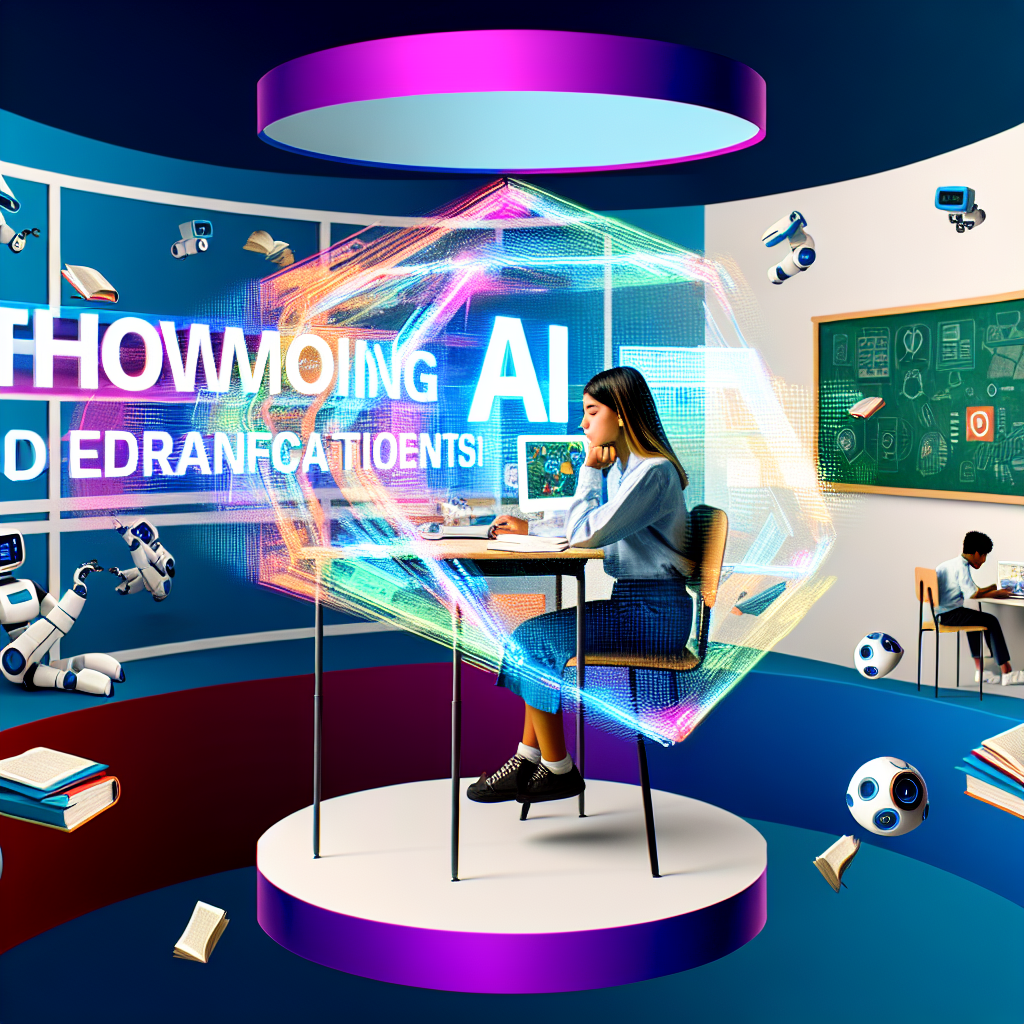
In today’s digital age, the integration of generative AI into education is reshaping how high school students learn, engage, and interact with content. Imagine having tools that enhance creativity and streamline assignments right at your fingertips. This blog explores the transformative influence of generative AI in high schools, focusing on the experiences of students and the evolving educational landscape.
Embracing a New Era of Learning
The arrival of generative AI has brought significant changes to high school education. Students now have access to advanced tools that help in writing, coding, and even problem-solving. This shift has led many educators to rethink traditional teaching methods, with some classrooms encouraging the use of AI while others impose strict bans. This inconsistency can create confusion, leaving students to navigate a complex landscape of policies.
Classroom Experiences with AI
High school students report varying experiences with AI integration in their education. Some teachers completely ban AI use, while others embrace it as a valuable resource. In humanities classes, for example, students use AI to enhance their writing by generating prompts or analyzing text, enriching their learning experience. This duality reflects a broader question: how can schools balance AI’s benefits with the need for critical thinking skills?
The Positive Impacts of Generative AI
Generative AI has significantly simplified various learning processes. Enthusiastic students share that it has made tasks such as writing essays much more efficient. By providing suggestions for word choices and structure, AI tools can help students express their thoughts more coherently. Additionally, some students use generative AI as a tutoring resource, gaining explanations and guidance on subjects like chemistry and mathematics.
Challenges and Potential Downsides
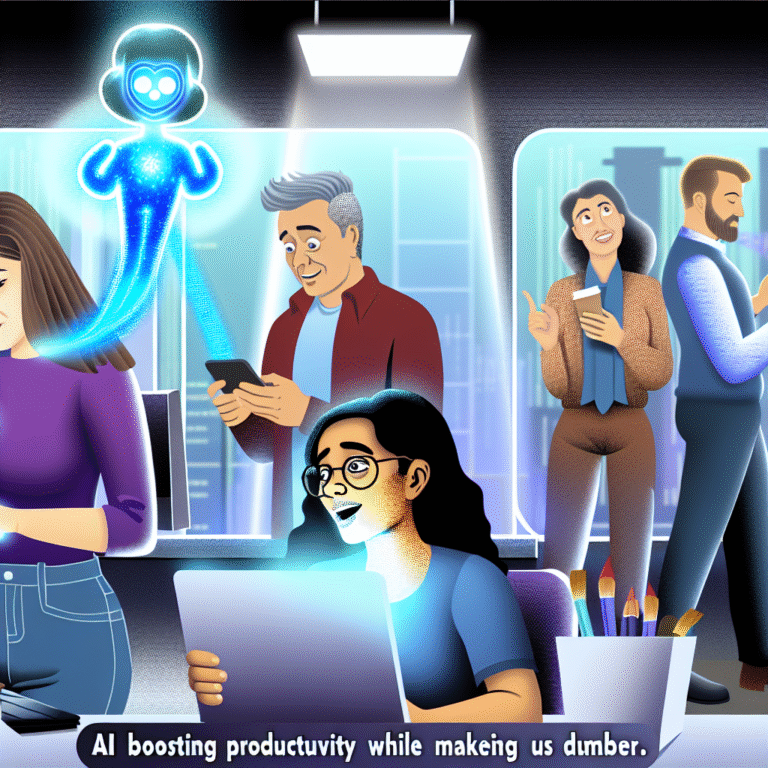
Despite its advantages, reliance on AI comes with significant risks. As students increasingly turn to these tools for assistance, there are concerns about the potential decline in critical thinking and analytical skills. Overreliance on AI-generated content can result in superficial understanding, as students may not engage deeply with the material.
Navigating the Future of Education
The future of high school education in the context of generative AI is uncertain but full of potential. As educators and students adapt to these tools, there is a pressing need for policies that encourage responsible use. Emphasizing the importance of learning how to learn will be crucial. AI should be seen as a resource to augment human creativity rather than replace it.
Conclusion: A Call to Action
As generative AI continues to transform the educational landscape, it is vital for educators, parents, and students to engage in conversations about its proper use. Embracing AI can lead to enhanced learning experiences, but it must be done with care to ensure that critical thinking remains at the forefront. For a broader perspective on this topic, consider exploring articles like How AI is Changing Education and The Future of AI in Education.
If you found this discussion insightful, consider sharing your thoughts about generative AI and its role in education. Engage with us in the comments or connect through our website to share your experiences!