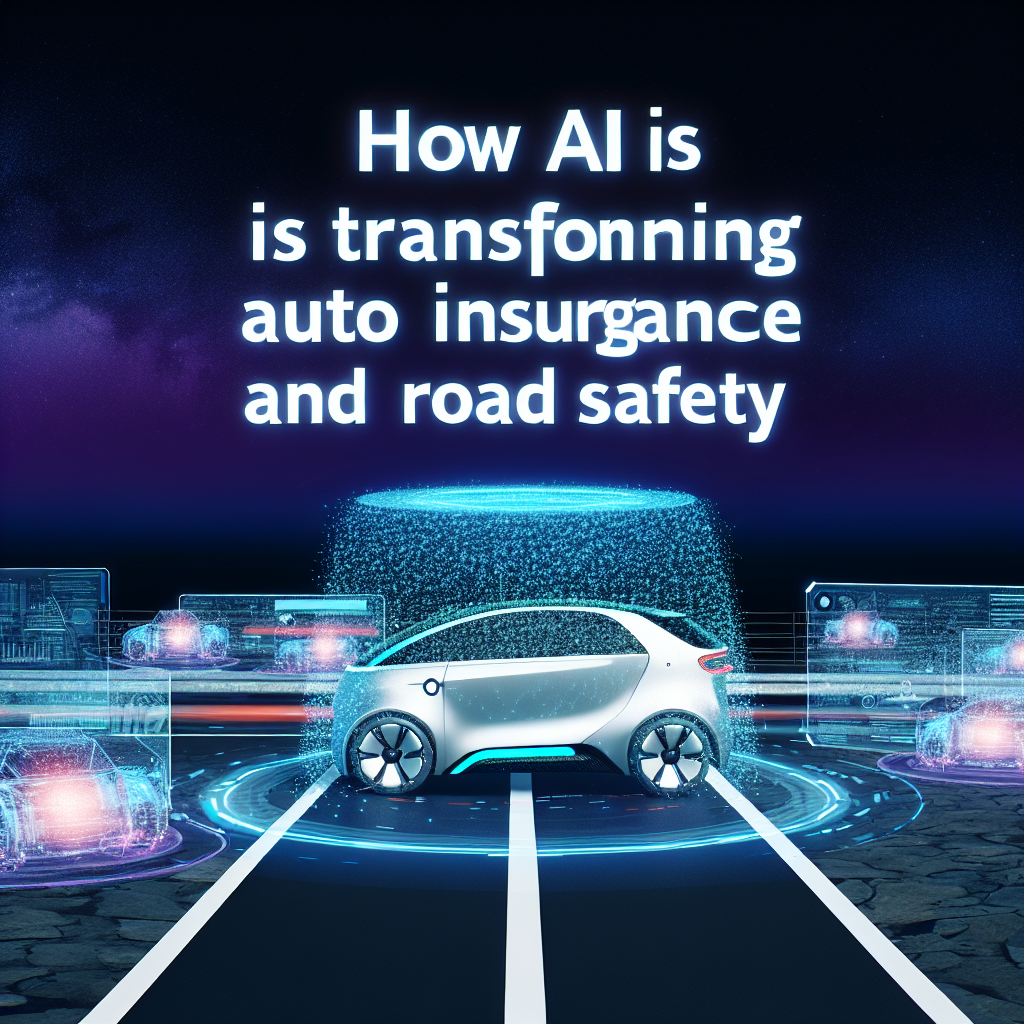
How AI is Transforming Auto Insurance and Road Safety
Transforming Auto Insurance: How AI is Revolutionizing the Industry
Auto insurance has remained largely static for decades, becoming synonymous with antiquated processes that frustrate consumers. However, the emergence of artificial intelligence (AI) is poised to disrupt the auto insurance landscape, streamlining claims and enhancing road safety. This post explores how AI is paving the way for a smarter, more efficient auto insurance industry.
The Antiquated Nature of Auto Insurance
For many drivers, auto insurance feels stuck in the past. Despite driving for years, the mechanics of purchasing a policy and filing claims remain largely unchanged. The insurance industry has continued to operate with outdated models, relying on manual processes that can lead to inefficiencies and customer frustrations.
Rising Insurance Rates: A Growing Concern
In recent years, auto insurance rates have surged, with a significant increase since the pandemic. Factors such as heightened accident rates, rising repair costs due to advanced vehicle technology, and labor shortages have exacerbated the problem. Ironically, fewer cars on the road should ideally mean lower rates, yet the inverse is true due to these pressing factors.
How AI Can Transform Pricing
Traditional underwriting models often lead to generic rates for drivers who may have vastly different driving behaviors. AI offers a solution by analyzing individual driving data to create personalized rates. This means safe drivers could see reduced premiums, while risky behaviors could be addressed with coaching. By utilizing real-time data, insurance companies can adapt to trends more quickly than ever before.
Streamlining Claims with AI
The claim process in auto insurance can extend several weeks, causing inconvenience for those involved. However, AI has the potential to transform this experience dramatically. Imagine filing a claim in real-time using your smartphone camera. AI can analyze the damage immediately, providing estimates and allowing customers to make decisions in minutes instead of weeks. In the future, most claims could be processed in under five minutes.
Enhancing Road Safety
AI’s impact extends beyond insurance processing; it also plays a crucial role in improving road safety. AI-driven technologies can monitor driver behavior, alerting them to potential distractions or fatigue. This has the potential to significantly reduce the number of accidents caused by human error, currently responsible for 70% of all road incidents.
The Road Ahead: Challenges and Opportunities
While many vehicles lack the technology to support AI-driven solutions, the future is bright. A gradual transition is expected, where connectivity and advanced technologies become standard in vehicles. Over the next 10 to 15 years, AI’s integration into the auto industry could lead to profound changes, from enhanced safety features to smarter insurance models that adapt to users’ needs.
Data Ownership and Privacy Considerations
As AI grows in influence, data privacy becomes increasingly important. Users must give explicit consent for their driving data to be used for analysis. Ensuring that data ownership remains with the user is crucial for the successful integration of AI into auto insurance and vehicle safety features.
Conclusion: A Transformative Future
The intersection of AI and auto insurance offers significant opportunities for improvement across the industry. As the industry embraces these technologies, consumers can look forward to reduced rates, faster claims, and safer driving environments.
To stay informed about innovations in AI and their impact on various industries, consider exploring resources like MIT Technology Review or Harvard Business Review.
If you found this post enlightening, feel free to share it with others or leave a comment with your thoughts!