How AI Can Reduce Human Selfishness and Enhance Self-Driving Car Safety
As we stand on the brink of a new era in technology, the integration of artificial intelligence into our daily lives raises an intriguing question: can these systems enhance our decision-making and foster a greater sense of cooperation among us? Imagine an AI that not only assists in creative tasks but also encourages better human behavior. This concept is at the heart of a compelling study by researchers Arend Hintze and Christoph Adami, which delves into how AI might promote cooperation in societal settings.
Understanding the Tragedy of the Commons
The "tragedy of the commons" is a well-known economic theory that illustrates a scenario where individuals exploit shared resources to the detriment of the collective. TedEd offers an informative video that breaks down this concept beautifully. To explore whether AI can indeed boost human cooperation, Hintze and Adami structured their research around a classic cooperation experiment known as the public goods game.
In this game, participants faced a choice: contribute to a shared pool that benefits everyone or keep their contributions private. The optimum outcome occurs when everyone contributes; however, individuals often default to self-interest, ultimately harming the group. When researchers introduced AI agents into this environment, they hoped to shift the dynamics.
Various Scenarios in the Experiment
In the initial phase, the AI agents were programmed to always cooperate. This might sound encouraging, but it failed to influence human behavior. Individuals continued to pursue their own interests, proving that merely adding benevolent actors didn’t suffice.
Next, they allowed players to control the AI agents. This step, however, backfired spectacularly. Players assigned cooperation parameters to the AI while refusing to cooperate themselves, gaming the system for personal gain.
Arend Hintze & Christoph Adami / npj Complexity
The third and final scenario provided a breakthrough. In this instance, the AI agents mirrored the behavior of the players they interacted with. If a player chose to cooperate, the AI would follow suit; if the player acted selfishly, the AI would mimic that behavior. This feedback loop rewarded altruism, fostering a stronger sense of cooperation among the human participants.
Implications for Self-Driving Cars
You might wonder how these findings could relate to our future with self-driving cars. While the study’s scope is somewhat limited, its implications are profound. Researchers noted that these principles can be applied to develop intelligent systems within autonomous vehicles.
Imagine self-driving cars that reward cooperative driving rather than rigidly adhering to traffic rules. If a network of vehicles adopts this adaptive behavior, it could create a positive feedback loop, enhancing the overall driving experience for everyone involved.
Though AI alone cannot eradicate selfish tendencies, it can offer incentives that encourage collaboration, particularly in the realm of electric vehicles. Notably, studies in academic journals like Transportation Research discuss integrated systems for coordinating vehicle movement to optimize passenger service. Similarly, research highlighted in the Robotics journal suggests methods for ensuring collision-free operation and visual connectivity among autonomous vehicles.
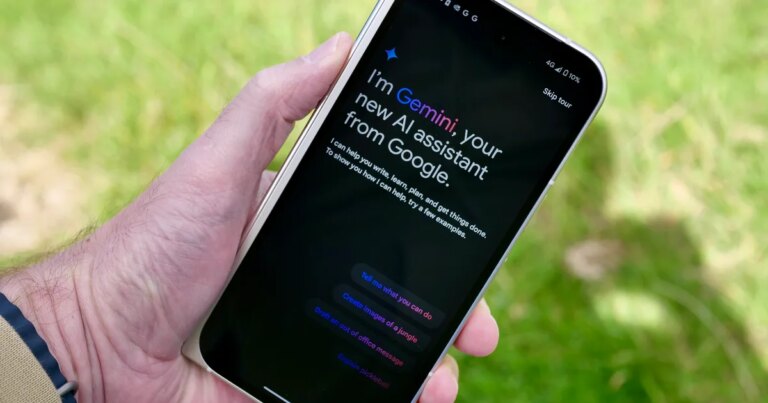
This model could also streamline charging schedules for electric self-driving cars, reducing wait times and easing the strain on the power grid. Current AI systems, including chatbots like ChatGPT and Gemini, already utilize a reward-based approach to improve their functionality. This mechanism holds the potential to address real-world challenges in robotaxi services as they become increasingly mainstream.
In a world where technology continually shapes human interaction, these insights inspire us to consider how we can harness AI for collective good. Isn’t it exhilarating to think that by integrating AI thoughtfully, we could not only enhance our daily lives but also pave the way for a more cooperative and compassionate society?
Let’s embrace this future together—after all, the path to a better world often begins with a single cooperative step.