Harnessing AI in Retail: Boosting Product Pages and Profits
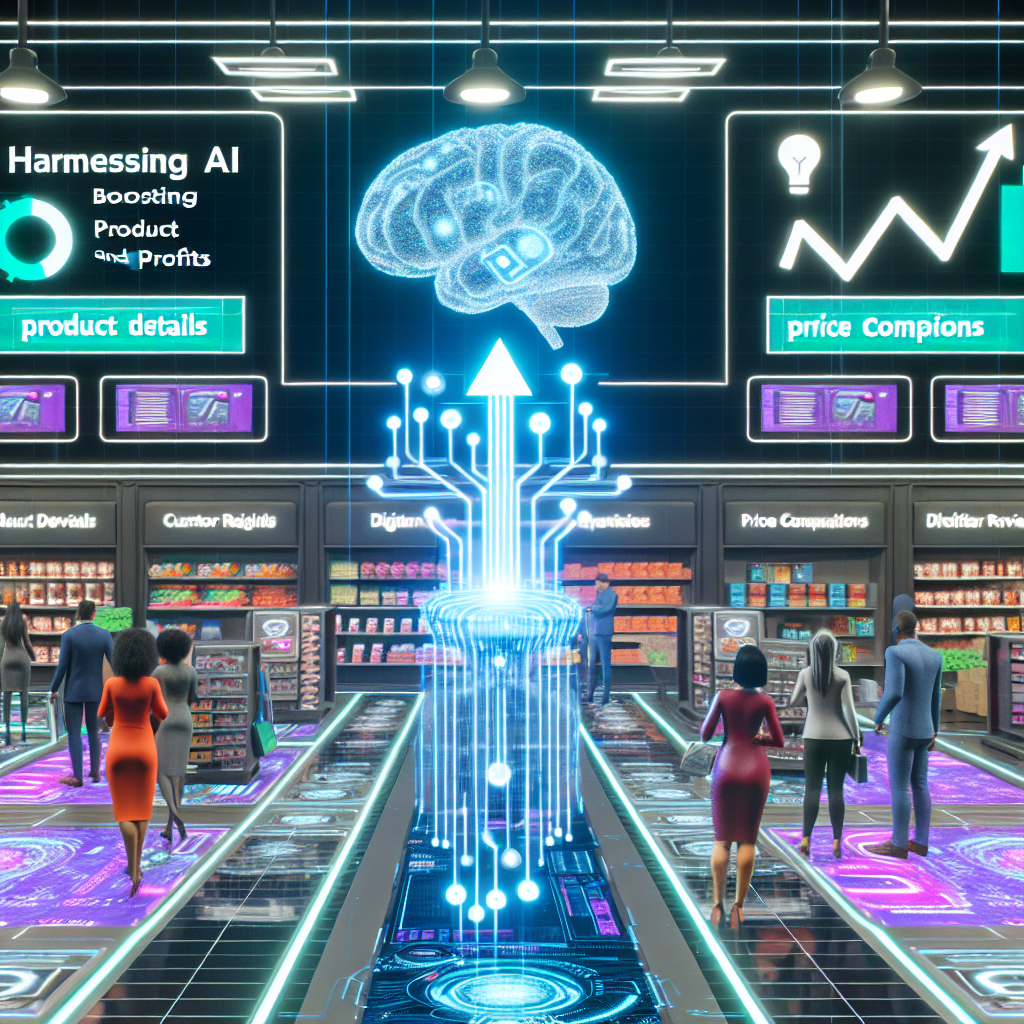
The Impact of AI on Retail: Transforming Consumer Experiences
Artificial Intelligence (AI) is revolutionizing various industries, and retail is no exception. As we navigate a digital landscape increasingly shaped by AI advancements, it’s vital to understand how these technologies are reshaping consumer experiences, shopping behaviors, and business operations.
AI in Retail: A Doubling Down on Personalization
AI has long been a part of the retail landscape, particularly in areas like forecasting, supply chain optimization, and dynamic pricing. However, the advent of generative AI has ushered in a new era of personalization. Retailers are leveraging AI to create tailored experiences, enhancing customer engagement and driving sales.
For example, major grocery retailers have implemented AI technologies to analyze consumer behaviors, tailoring promotions based on individual purchase histories. The ability to provide personalized offers not only strengthens customer loyalty but also maximizes sales opportunities.
Understanding Generative AI’s Role
While traditional AI has focused on data analysis and operational efficiency, generative AI introduces a range of new possibilities. Its capabilities extend beyond chatbots to include personalized experiences that resonate with consumers on a deeper level. By utilizing large datasets, generative AI can drive meaningful interactions, often leading to increased consumer trust and satisfaction.
Retailers can also harness generative AI’s capabilities for content creation, producing high-quality images and product descriptions at an unprecedented speed. This becomes critical in maintaining an engaging online presence and competing in a crowded e-commerce landscape.
Opportunities and Challenges for Retailers
As retailers increasingly integrate AI into their operations, several challenges emerge alongside the opportunities. One pressing concern is the homogenization of content. If companies rely solely on AI-generated outputs, they risk producing indistinguishable marketing materials that fail to resonate with consumers. Striking a balance between AI efficiency and human creativity will be paramount to success.
Moreover, retailers must consider the importance of data governance. Implementing AI without properly training it can lead to poor decision-making and miscommunications. A well-defined strategy, emphasizing clear governance and accountability, can mitigate these risks.
The Need for Strategic Implementation
For retailers looking to implement AI effectively, the focus should be on solving specific business problems rather than simply adopting the latest technology. A clear understanding of consumer needs and gaps in the current experience is crucial. Small, incremental steps—akin to training a new employee—will yield better long-term results than attempting to solve too many problems at once.
Retail leaders should also recognize that AI isn’t just a technical solution but a business challenge. This perspective allows for more strategic decision-making, ensuring that investments in AI align with overarching business objectives.
Conclusion: Navigating the AI-Driven Retail Landscape
The integration of AI into retail presents an exciting opportunity to enhance consumer experiences and streamline operations. By focusing on specific challenges, prioritizing personalized interactions, and maintaining an open line of communication with consumers, retailers can harness this technology effectively.
As the landscape continues to evolve, staying informed and adaptable will be essential. For those looking to further explore how AI can transform retail, consider subscribing to industry updates or exploring resources like the Microsoft WorkLab podcast for actionable insights.
If you’re eager to dive deeper into how AI can benefit your business or need guidance on developing a robust AI strategy, feel free to explore more!