Harnessing AI for Next-Gen Clinical Trials Insights
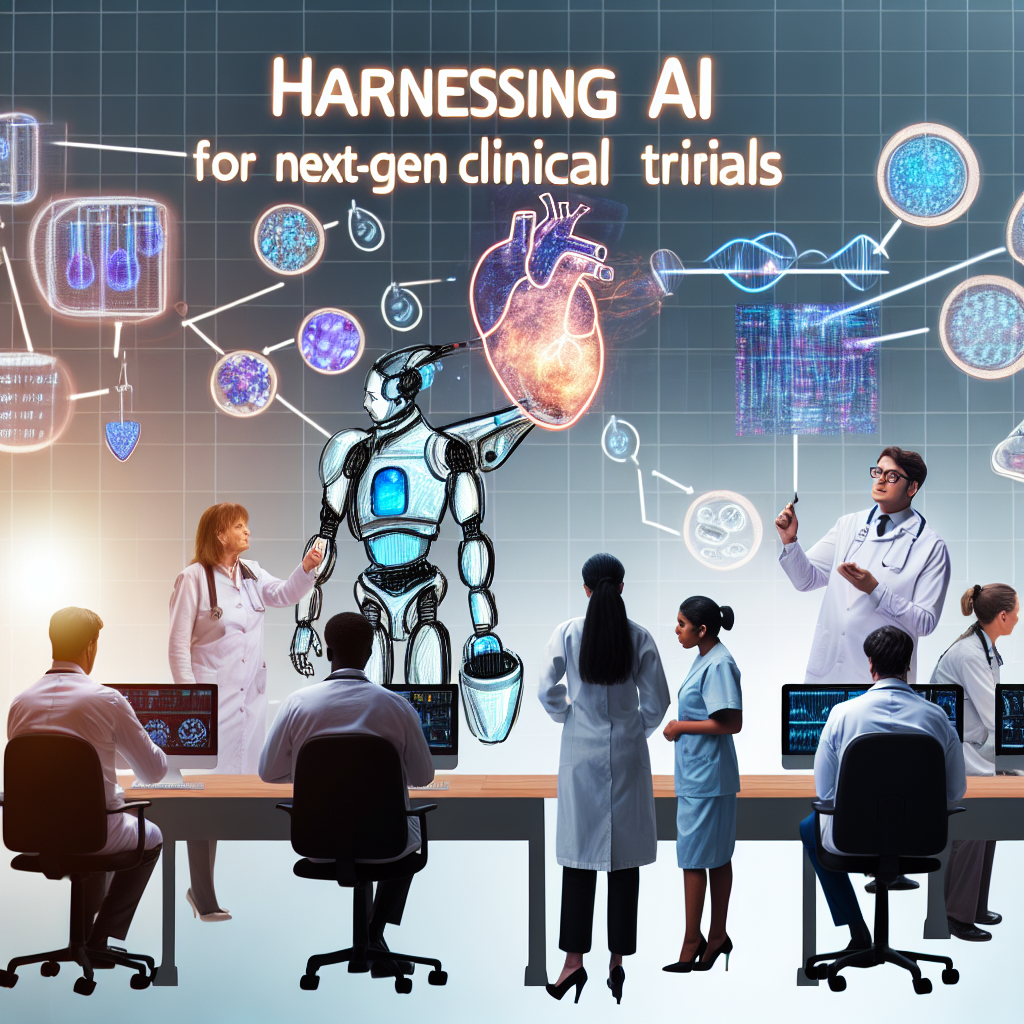
Understanding the Impact of Generative AI on Clinical Trials
As the field of medicine evolves, the integration of generative AI is transforming clinical trials, streamlining processes, and enhancing drug discovery. This innovative technology not only accelerates the development of new treatments but also aims to improve patient outcomes and bring new options to the market more efficiently.
The Traditional Clinical Trial Process
Historically, clinical trials have followed a rigorous and time-consuming pathway. They often take over a decade from conception to market launch, involving multiple phases to ensure the safety and efficacy of new drugs. The process begins with animal trials, followed by human trials that focus on safety, effectiveness, and obtaining necessary approvals. Unfortunately, the traditional methods can be slow, expensive, and often lead to uncertainty in outcomes.
How Generative AI is Revolutionizing Clinical Trials
Generative AI and large language models have the potential to drastically reshape the patient experience and clinical trial landscape. Companies can harness AI to analyze vast amounts of unstructured data from numerous trials, extracting valuable insights and predicting outcomes with remarkable accuracy.
Predictive Accuracy
Recent advancements now allow AI to predict the likelihood of a trial’s success, boasting accuracy rates of around 90%. This capability enables pharmaceutical companies to assess which trials are worth pursuing and to allocate resources more effectively. The methodology not only saves time and costs but also helps minimize the risks associated with unsuccessful trials.
Analyzing Historical Data
One of the breakthrough applications of AI in this field is its ability to analyze all existing clinical trial data. By examining over 350,000 trials and countless variables, AI can identify patterns and connections that clinicians might overlook, leading to better trial designs and more promising drug candidates.
Benefits for Pharmaceutical Companies
Pharmaceutical companies can leverage AI in multiple ways:
- Informed Decision Making: AI models allow firms to pinpoint which trials are likely to yield the best success rates, guiding them on where to invest their capital.
- Patient-Centric Approaches: Patients seeking clinical trials can be supported in finding options that have a higher likelihood of success, ultimately improving their chances of better health outcomes.
- Investment Opportunities: AI insights can enhance the narratives companies present to potential investors, showcasing their trial’s success probability, thereby attracting more funding.
Challenges and Ethical Considerations
While generative AI promises numerous benefits, it also presents challenges. Companies must grapple with ethical questions about the potential costs of commercializing certain drugs, especially those affecting smaller patient populations. The focus on more profitable medications might lead to neglect of rare diseases unless there’s a notable financial incentive.
The Future of Clinical Trials
Looking ahead, the clinical trial landscape is poised for unprecedented change. As AI technology matures, there could come a point when regulatory bodies may require that drug trials be simulated in an AI environment prior to human testing. This shift may lead to fewer trials and a more targeted approach in addressing various health issues.
Conclusion
Generative AI stands at the forefront of transforming clinical trials, offering exciting possibilities for enhancing patient care and improving drug discovery processes. As we continue to innovate in this space, the hope remains that these advancements will not only expedite the development of life-saving medications but also ensure that no patient demographic is left unattended. Explore more about how AI is shaping the medical landscape and stay informed by joining newsletters on innovations in this sector.
For further insights into the impact of AI in healthcare, consider visiting National Institutes of Health and World Health Organization.
If you’re eager to learn more about implementing AI strategies within your organization, feel free to reach out and explore potential collaborations that could align with your goals.