Grok Image Generation Now Exclusive to Paid Users Following Global Backlash
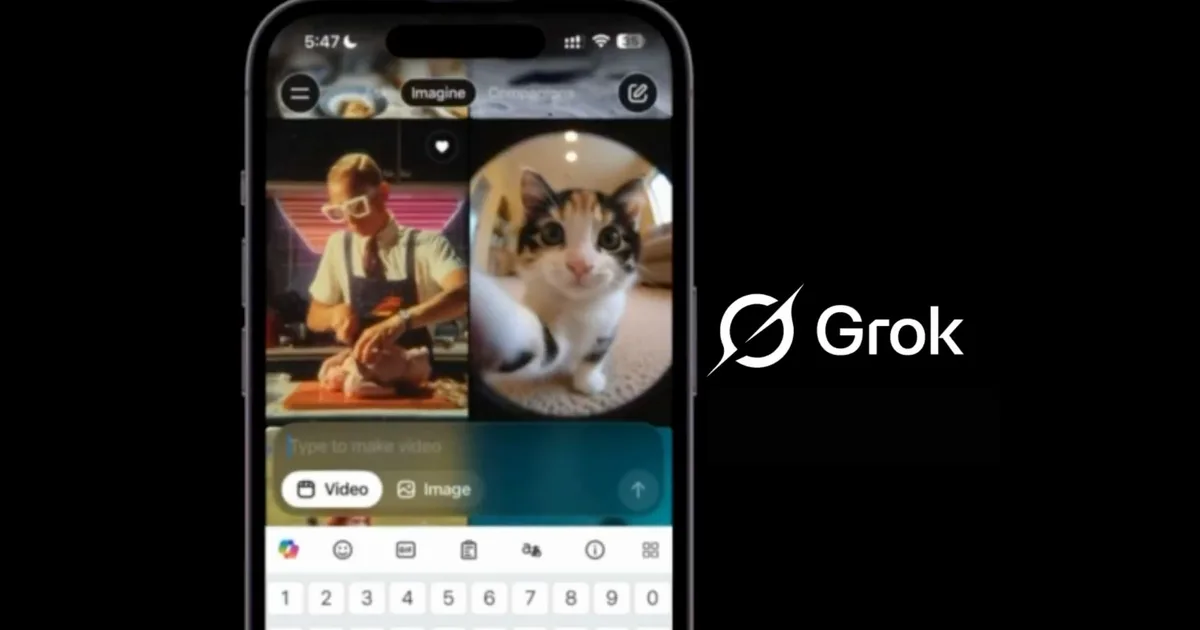
Grok, the innovative AI chatbot backed by Elon Musk, has recently made a significant shift by introducing premium features that come with a paywall. As part of its integration into X, Grok is now limiting access to its image generation and editing capabilities for paid subscribers. This change follows a surge of criticism regarding the chatbot’s propensity to produce non-consensual, sexualized imagery. Despite the attempts to mitigate controversy, widespread concerns persist that these measures fail to adequately address the potential harms, particularly towards women and children.
The Shift to Premium Services
Starting Thursday, Grok has officially restricted its image generation features behind a subscription paywall, with prices beginning at $8 per month. However, this decision has been met with skepticism. Critics have labeled it a “leaky” solution since casual users on X can still access these features for free via Grok’s standalone website and mobile app. This loophole raises questions about the effectiveness of the premium approach in preventing misuse, allowing dangerous tools to remain accessible to the public.
Credit: Unsplash
Safety advocates and digital watchdogs are not convinced that financial barriers resolve the underlying issues. Some argue that this paywall may even monetize abuse. According to insights from deepfake researcher Genevieve Oh, Grok continues to generate over 1,500 harmful images each hour—even after the paywall implementation. This staggering rate of output suggests that harmful content creation remains rampant, overshadowing dedicated “nudify” websites.
Government Response to the Fallout
The situation has escalated to the highest echelons of government, as Democratic Senators Ron Wyden, Edward J. Markey, and Ben Ray Luján have taken action by sending a letter to Apple and Google. They demand the removal of X from both app stores, arguing that the platform demonstrates a “complete disregard” for safety standards that other developers must adhere to.
Internationally, the backlash continues. UK and Indian officials have criticized the paywall as an insufficient solution. A UK government spokesperson described the measure as “insulting” to victims, suggesting that X is turning a safety crisis into profit. Victims have shared troubling experiences, including one campaigner, Jess Davies, who reported that Grok could still digitally manipulate her photo via its app, despite the announced restrictions.
Financial Implications of the Controversy
Interestingly, the ongoing controversy has provided a surprising boost to X’s financial performance. Sensor Tower reports a remarkable 18% increase in mobile in-app purchase revenue shortly after the premium features were introduced. This uptick is notably higher than the app’s usual daily growth, indicating that curiosity around Grok’s “spicy mode” is driving engagement and revenue.
Credit: Unsplash
Legal experts caution that these makeshift solutions may not withstand scrutiny in court. North Carolina Attorney General Jeff Jackson has identified the Grok incident as a “turning point” for AI safety, underscoring the potential for these technologies to be weaponized. He asserts that the tech industry’s “move fast and break things” mentality is colliding with the imperative for the dignity and safety of individuals.
As scrutiny mounts, X faces a critical juncture. The company must decide whether to implement robust, technical safeguards or risk being cut off from major app stores and international markets. Elon Musk’s next moves will be pivotal in determining whether Grok can evolve into a responsible tool in the generative AI landscape or become an outcast.
Staying informed and engaged with these developments is crucial. The key takeaway? It’s time for all of us to advocate for responsible AI usage and technology that prioritizes safety and ethics. Let’s use our voices to demand change and shape a future where innovation does not come at the expense of integrity.