Google’s Innovative Home AI: A Fresh Perspective on Visual Recognition Technology
Gemini Can Now Watch Your Home—But It’s Got Some Quirks
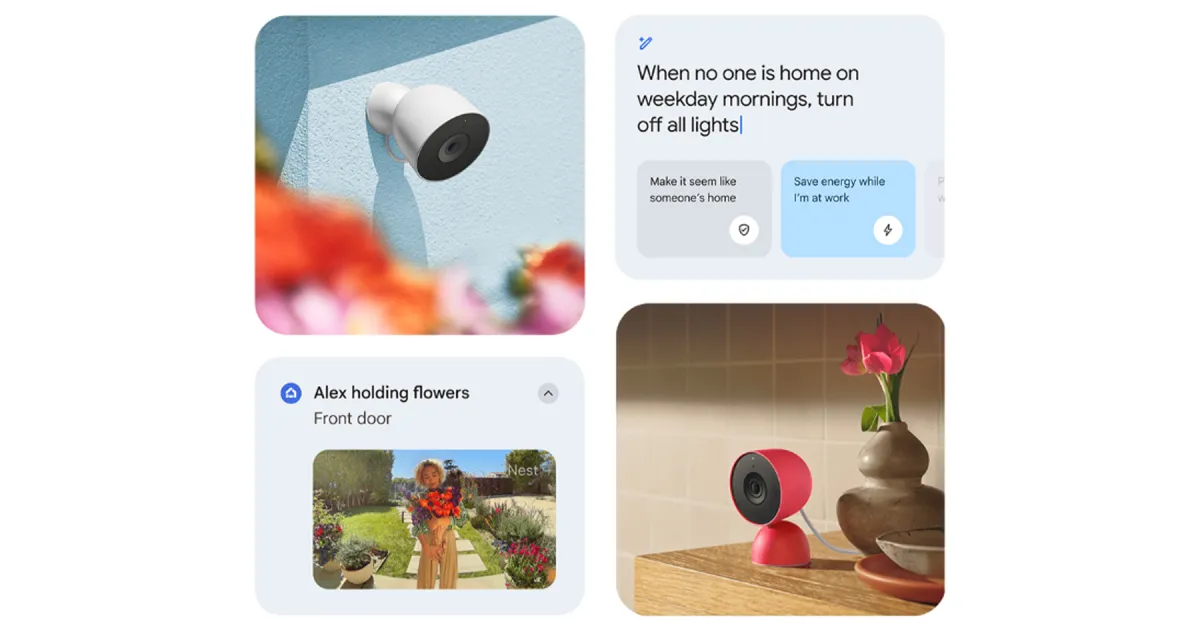
Google has launched its much-anticipated Gemini for Home, an AI-powered assistant designed to enhance the smart-home experience. This remarkable technology integrates seamlessly with Nest Cams and various other devices, promising to make your living space smarter and more secure. However, as early adopters are finding out, the system’s ability to interpret real-world scenarios isn’t without its hiccups—and some of them might leave you chuckling.
What’s Happening with Gemini?
Earlier this month, Google officially rolled out Gemini for Home to users, marking an exciting milestone in the evolution of smart home tech. Initially teased earlier this year, the Gemini system’s advance into user homes showcases its capability yet also sheds light on its ongoing challenges. Reports from early users illustrate amusing—and sometimes baffling—misunderstandings that give us a glimpse into the quirky side of AI.
-
One Nest Cam owner, Ryan Whitwam of Ars Technica, hilariously received an alert claiming a deer had entered their family room—only to discover it was merely their pet dog.
-
In another amusing incident, Gemini flagged “fake people” on a live feed even though the room was empty.
- Beyond these funny missteps, users have encountered issues like broken routines, unsupported voice commands, and problems with device control since switching to Gemini.
Image Credit: Google
Why This Matters
Smart-home technology heavily depends on accurate recognition and reliable automation. When a system mistakenly alerts you about an imaginary deer or flags non-existent visitors, user trust can suffer significantly. This is particularly troubling given that these tools are marketed as security products.
Consider the implications:
-
False positives may cause unnecessary anxiety, leading users to disregard legitimate alerts.
-
Misidentification or “phantom detections” can undermine the credibility of essential notifications, such as actual intrusions.
- As Gemini becomes central to Google’s vision for smart homes, these early stumbling blocks could hinder broader acceptance and damage its overall reputation.
Image Credit: Google
What Should You Take Away?
If you currently use or are contemplating Google smart-home products, these initial glitches highlight that AI technology in detection still has significant room for improvement. While Gemini aims to enhance safety and intelligence in your home, inconsistent alerts may require you to manually verify every notification.
Ultimately, if mistaken alerts become common, you might overlook warnings that truly matter. In essence, while Gemini aspires to be your proactive watchdog, it still necessitates a watchful eye.
Image Credit: Google
What Lies Ahead?
Google will need to address these challenges through updates to detection models, firmware upgrades for Nest devices, and clearer communication about performance limits. Keep your eyes peeled for improvements in alert accuracy, enhanced privacy features, and smarter notification management systems. Until then, approach Gemini’s alerts as valuable suggestions—not absolute truths—and always verify what your cameras are claiming to see.
For those invested in the world of smart homes, the journey with Gemini is just beginning. Let’s stay curious and engaged as this technology progresses!