Google Innovates with AI-Driven Headlines in Search Results: What It Means for SEO
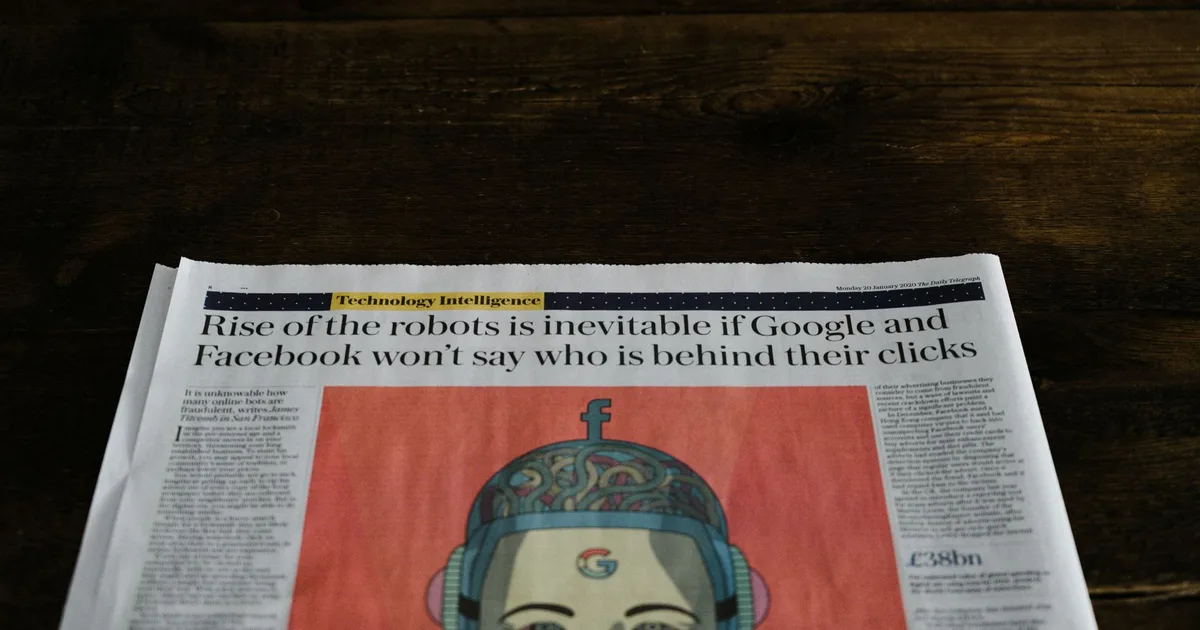
Google is diving deeper into the world of artificial intelligence with a new experiment that’s stirring quite a bit of discussion among publishers and search enthusiasts alike. Imagine searching for a news story and being greeted not by the original headline crafted by skilled journalists but by AI-generated alternatives that may not capture the essence of the article. This latest move by Google has sparked concerns about editorial integrity and the impact on how we perceive information.
AI’s Takeover of News Headlines
In a notable shift, Google is testing the waters by displaying AI-generated headlines instead of the original titles crafted by publishers. Traditionally, Google may have simplified or slightly altered the wording for clarity, but this recent experiment suggests a more extensive overhaul of how news is presented in search results.
Reports indicate that these AI-generated headlines can sometimes obscure the true meaning or tone of the original content. For instance, sharply nuanced headlines might get distilled into generic phrases, leading users to click through with possibly misleading expectations.
Google describes this initiative as a “small and narrow experiment” aimed at enhancing search results’ relevance and engagement. Yet, the company has been vague about the experiment’s scope, leaving many questions unanswered.
The Concerns for Publishers
Headlines are not just catchy phrases; they are vital components of journalism, expertly designed to convey a story’s essence and attract readers. By swapping these original headlines with AI versions, Google takes a giant leap in controlling how news stories are presented, raising alarms among publishers.
Key concerns include:
- Loss of Editorial Voice: Publishers fear that their unique style and tone could be overshadowed by generic AI alternatives.
- Accountability Issues: If an AI-generated headline misrepresents an article, readers may mistakenly hold the publisher accountable, not Google, potentially eroding trust.
Image Credit: Unsplash
Transparency in Question
Currently, there’s little to indicate when a headline has been altered by AI, which makes it challenging for users to distinguish between original and automated content. This limitation echoes similar experiments in Google Discover, where AI-generated summaries faced criticism for inaccuracies.
Headlines play a crucial role in shaping our first impressions of the information presented. Even minor changes in wording can dramatically influence the interpretation of a story.

Image Credit: Unsplash
If these AI-generated headlines prioritize engagement over accuracy, users could find themselves clicking on content that doesn’t meet their expectations. In some situations, they might miss vital context or nuance originally present in the headline.
On the other hand, Google advocates that AI can enhance headline relevance, improving how easily users discover content aligned with their queries.
What Lies Ahead?
While this current rollout is limited, it could foreshadow a more comprehensive integration of AI into Google’s search algorithms. The tech giant is known for piloting small features before rolling them out on a larger scale.
In light of this experiment, publishers and industry watchdogs will likely advocate for clearer labeling and enhanced transparency. They may also push for opt-out mechanisms should this feature expand further. Additionally, regulators might scrutinize how AI-generated content is presented, especially in relation to news distribution and public information.
For now, this experiment serves as a “canary in the coal mine,” highlighting how AI might reshape not only what we see online but also how we interpret and understand the information presented to us.
If you’re passionate about how technology intersects with journalism, let’s keep the conversation going—your insights matter in shaping the future of news!